
Introduction: The Modern Challenge of Artificial Marble Manufacturing
Artificial marble and cultured stone production has grown rapidly worldwide. While these materials offer superior aesthetics and durability, manufacturers face persistent challenges during mold demolding:
- Surface adhesion to molds
- Residual resin on molds
- Labor-intensive cleaning
- Risk of surface defects
Traditional methods such as wax, silicone oil, or liquid release agents often fail to solve all problems simultaneously. PVA water soluble release film has emerged as the industry-preferred solution, combining ease of use, environmental friendliness, and consistent product quality.
What Is PVA Water Soluble Release Film?
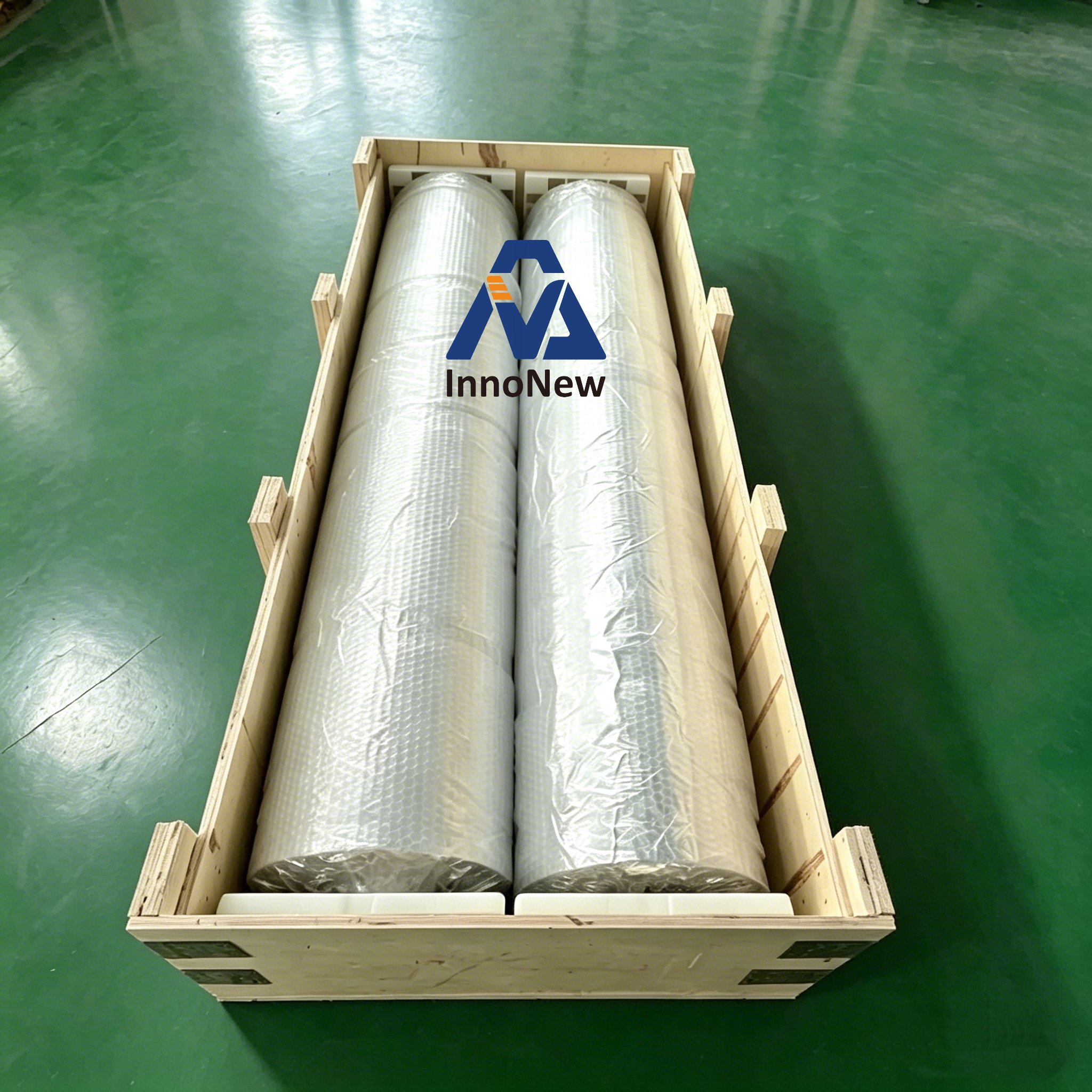
Polyvinyl alcohol (PVA) water soluble film is a biodegradable polymer film that dissolves completely in water. Its key characteristics include:
- Thickness: 25–80 μm (industry standard: 25 μm)
- Width: 1020 mm (customizable for production needs)
- Length: 1000 m/roll
- Appearance: Transparent or light yellow
- Tensile Strength: High, to prevent breakage during mold coverage
- Water Solubility: Rapid dissolution at 20–40°C
Compared with wax or silicone-based release agents, PVA film offers:
- Superior surface finish
- Minimal residue
- Environmental compliance
How PVA Film Works in Artificial Marble Casting
PVA film serves as a temporary protective layer between the mold and resin/filler. Its application ensures:
- Easy Demolding: The resin does not stick to the mold.
- Surface Quality: Produces smooth, defect-free marble surfaces.
- Mold Protection: Reduces wear and cleaning time, extending mold life.
Why 25 Micron Film Is the Industry Standard
While PVA film thickness can range from 25 μm to 80 μm, 25 μm is most commonly used due to:
| Feature | 25 μm Film Advantage |
|---|---|
| Cost | Minimum film consumption per square meter |
| Release Performance | Forms uniform isolation layer, preventing adhesion |
| Dissolution | Fastest water solubility, no residue |
| Production Speed | Optimized for continuous lines and automation |
Thicker films (30–50 μm) are used for heavier casting or large panels, while 80 μm is for special engineering stones.
Key Technical Considerations for Optimal Use
Film Uniformity
Uneven film thickness may cause sticking or surface defects.
Tensile Strength
Adequate strength prevents tearing during laying.
Heat & Chemical Resistance
PVA film must withstand curing temperatures and resin chemistry.
Water Solubility
Complete dissolution ensures mold cleaning is quick and residue-free.
Surface Smoothness
Even minor wrinkles can create surface defects; tension control is essential.
Advantages Over Traditional Release Agents
| Property | PVA Film | Wax | Silicone |
|---|---|---|---|
| Surface Finish | Excellent | Good | Fair |
| Mold Cleaning | Easy | Difficult | Medium |
| Production Efficiency | High | Medium | Medium |
| Environmental Impact | Low | Medium | High |
| Residue | None | Yes | Yes |
Key Takeaways: PVA film improves productivity, reduces labor costs, and ensures higher quality products.
Common Issues and Solutions
| Problem | Cause | Solution |
|---|---|---|
| Wrinkles | Uneven tension | Use automatic film laying systems |
| Film Breakage | Excessive stretching | Adjust tension and speed |
| Incomplete Dissolution | Low water temperature | Use 20–40°C water, proper immersion time |
| Surface Defects | Film misalignment | Proper mold coverage and trimming |
Future Trends
- Ultra-Thin 20–25 μm Films for cost reduction
- High-Speed Production Compatibility for continuous lines
- Biodegradable and Eco-Friendly Films to meet regulations
- Smart Casting Systems combining automatic film laying and recovery
FAQ
1. Why is 25 micron PVA water soluble film the most popular choice for artificial marble production?
25-micron PVA film offers the best balance of cost, release performance, and dissolution efficiency. It provides a reliable separation layer between the mold and resin while minimizing material consumption. For most artificial marble manufacturers, 25 μm film delivers excellent demolding results at the lowest operating cost.
2. What thickness of PVA release film should I choose for artificial marble manufacturing?
The appropriate thickness depends on the production process and panel size:
| Film Thickness | Recommended Application |
|---|---|
| 25 μm | Standard artificial marble sheets |
| 30–40 μm | Quartz stone and large-format panels |
| 50–80 μm | Heavy casting and engineered stone products |
For most cultured marble and artificial marble applications, 25 μm remains the industry standard.
3. What are the typical specifications of PVA water soluble film for artificial marble?
Standard specifications typically include:
- Thickness: 25–80 μm
- Most Popular Thickness: 25 μm
- Width: 1020 mm (customizable)
- Length: 1000 m/roll
- Appearance: Transparent or light yellow transparent
- Water Solubility: Fully soluble in water
- Packaging: Roll form for continuous production lines
Custom widths and lengths can be produced according to customer requirements.
4. How does PVA water soluble film improve artificial marble surface quality?
PVA film creates a smooth and uniform barrier between the mold and the resin mixture. This helps prevent:
- Surface sticking
- Mold contamination
- Resin residue
- Surface scratches
- Demolding defects
As a result, manufacturers can achieve a cleaner, glossier, and more consistent marble surface finish.
5. Does PVA release film leave residue on the mold or finished product?
No. High-quality PVA water soluble film dissolves completely in water and leaves virtually no residue on either the mold surface or the finished artificial marble product. This significantly reduces mold cleaning time compared with wax-based or silicone-based release agents.
6. How is the film removed after demolding?
After the artificial marble panel is removed from the mold, the remaining PVA film can be dissolved using water. Most films dissolve efficiently at water temperatures between 20°C and 40°C. Warm water can accelerate the dissolution process and improve cleaning efficiency.
7. Can PVA water soluble film replace traditional wax and liquid release agents?
Yes. Many artificial marble manufacturers have replaced traditional release systems with PVA film because it offers:
- Better surface quality
- Faster demolding
- Reduced mold maintenance
- Lower labor costs
- Cleaner production environment
- Improved production consistency
8. Is PVA water soluble film environmentally friendly?
Yes. PVA water soluble film is widely recognized as an environmentally responsible release material. It is water-soluble, biodegradable under appropriate conditions, and helps reduce the use of solvent-based release agents and VOC emissions in manufacturing facilities.
Conclusion
25 μm PVA water soluble film has become the industry standard for artificial marble manufacturing, balancing cost, performance, and environmental compliance. By adopting PVA film, manufacturers can increase production efficiency, ensure consistent surface quality, and extend mold life, positioning themselves competitively in the modern artificial stone industry.