HEC vs HPMC in Paint Formulation: Choosing the right Cellulose Ether
In modern waterborne coating systems, selecting the right cellulose ether is critical for achieving optimal viscosity, workability, and coating performance. Among the most widely used materials, hydroxyethyl cellulose (HEC) and hydroxypropyl methyl cellulose (HPMC) are two key options. Understanding the differences between HEC and HPMC is essential for paint manufacturers looking to improve formulation efficiency and final product quality.
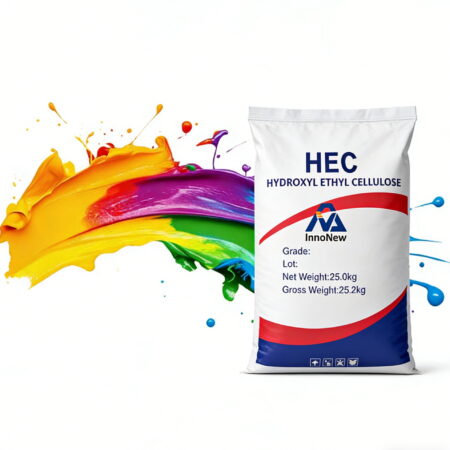
As a professional HEC manufacturer and HEC supplier, Hebei InnoNew Material Technology Co., Ltd. provides high-performance cellulose ether solutions for water-based coatings and decorative paint systems worldwide.
What is Hydroxyethyl Cellulose (HEC)?
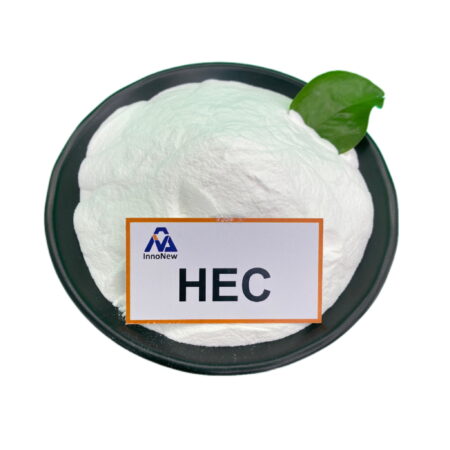
Hydroxyethyl cellulose (HEC) is a non-ionic cellulose ether widely used as a paint thickener HEC in water-based formulations. It offers excellent thickening efficiency, stable viscosity, and superior compatibility with pigments and additives.
HEC is considered the best hydroxyethyl cellulose for water based paint viscosity due to its ability to provide smooth flow, anti-sagging performance, and excellent leveling.
What is HPMC and How is it Different?
HPMC (Hydroxypropyl Methyl Cellulose) is another type of cellulose ether commonly used in construction materials. While it also provides thickening and water retention, it behaves differently in coating systems.
- HEC: Optimized for waterborne paint systems
- HPMC: More suitable for cement-based applications
- HEC: Better pigment compatibility and dispersion
- HPMC: Higher water retention but less ideal for coatings
HEC vs HPMC in Paint Applications
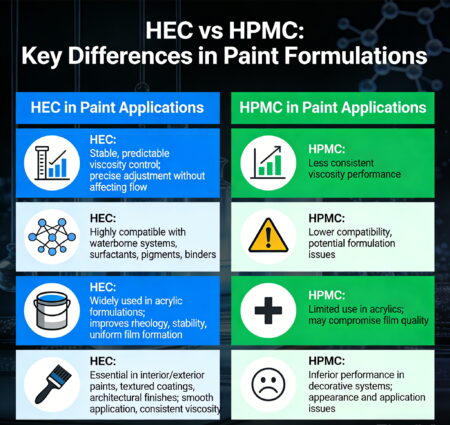
When comparing HEC vs HPMC in paint, HEC clearly performs better in most coating formulations, especially in acrylic and latex paints.
Viscosity Control
HEC provides more stable and predictable viscosity control, making it ideal for manufacturers looking to optimize coating performance.
If you are wondering how to increase paint thickness using HEC, the answer lies in selecting the appropriate viscosity grade and dosage. HEC allows precise adjustment without negatively affecting flow properties.
Compatibility with Paint Systems
HEC is a preferred cellulose ether for waterborne paint system because it is highly compatible with surfactants, pigments, and binders.
Application in Acrylic Coatings
In modern formulations, HEC thickener for acrylic coating formulation is widely used to improve rheology and coating stability. It ensures uniform film formation and enhances visual appearance.
HEC Application in Decorative Coatings
The HEC application in decorative coatings includes interior and exterior paints, textured coatings, and architectural finishes. Its ability to provide smooth application and consistent viscosity makes it indispensable in high-quality coatings.
Compared to HPMC, HEC offers superior performance in decorative paint systems, especially where appearance and application properties are critical.
Why Choose InnoNew as Your HEC Supplier?
Hebei InnoNew Material Technology Co., Ltd. is a reliable HEC supplier and HEC manufacturer with extensive experience in cellulose ether production. We provide:
- Stable viscosity grades for different paint formulations
- Customized solutions for coating manufacturers
- Consistent quality for global export markets
- Technical support for formulation optimization
Explore our Hydroxyethyl Cellulose (HEC) product page and visit our HEC for Paint application page to learn more.
Conclusion
When it comes to water-based paint formulations, HEC is the superior choice over HPMC for viscosity control, compatibility, and application performance. For manufacturers aiming to improve coating quality and efficiency, choosing the right HEC thickener for paint is essential.
FAQ
Q1: Which is better for paint, HEC or HPMC?
A: HEC is generally better for water-based paints due to its superior viscosity control and compatibility.
Q2: Can HEC improve paint thickness?
A: Yes, HEC is widely used to increase paint thickness while maintaining smooth application.
Q3: What is the best cellulose ether for water-based paint?
A: Hydroxyethyl cellulose (HEC) is considered the best option for waterborne coatings.
Q4: Which HEC grade is best for water-based paint?
A: Choose a grade based on desired viscosity and application type; high-viscosity HEC is ideal for thick coatings.
Q5: Where can I get high-quality HEC?
Hebei InnoNew Material Technology Co., Ltd. is a reliable HEC manufacturer and supplier with global experience.
Call to Action
Looking for a reliable HEC manufacturer or need help selecting the right grade? Contact us today to request samples, TDS, and technical support. We offer formulation support and one-stop solutions, contact us for samples or quotes
Email: chris@innonew-material.com
WhatsApp: +86 17736063980