HEC Enhances Paint Fow and Leveling: Hydroxyethyl Cellulose for Smooth Coatings
One of the key benefits of HEC for paint is its ability to improve flow properties. By modifying the paint’s rheology, HEC ensures that coatings spread evenly on surfaces, reducing brush and roller marks. This is especially import
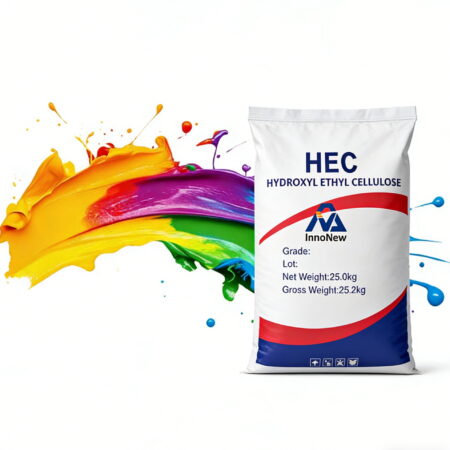
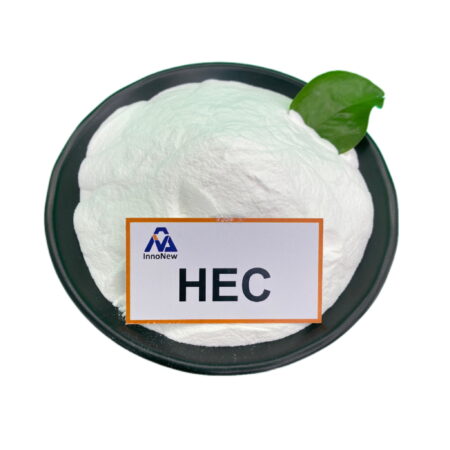
In water-based coatings, achieving smooth flow and uniform leveling is critical for high-quality finishes. Hydroxyethyl cellulose (HEC) is a versatile cellulose ether widely used as a paint leveling agent HEC to enhance coating performance. As a reliable HEC supplier and manufacturer, Hebei InnoNew Material Technology Co., Ltd. provides premium-grade HEC suitable for a wide range of decorative and industrial paints.
HEC Improves Paint Flow
One of the key benefits of HEC for paint is its ability to improve flow properties. By modifying the paint’s rheology, HEC ensures that coatings spread evenly on surfaces, reducing brush and roller marks. This is especially important in interior decorative paints where appearance and smoothness are paramount.
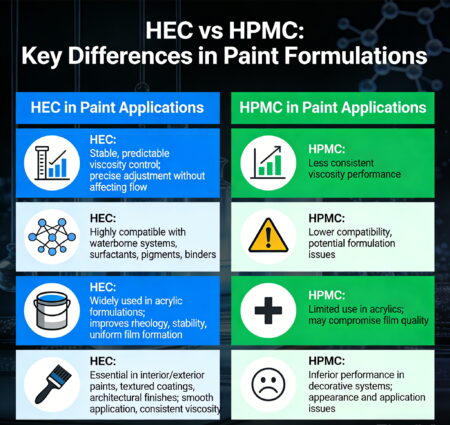
Using HEC as a rheology modifier for latex coatings allows formulators to fine-tune the viscosity, ensuring that the paint remains easy to apply while preventing sagging on vertical surfaces. HEC’s non-ionic structure makes it compatible with most pigments and surfactants, providing stable performance across different water-based paint systems.
Enhancing Leveling Performance
Leveling refers to a paint’s ability to form a uniform film without ridges, streaks, or surface imperfections. Improving paint leveling using HEC has become an industry standard for high-quality coatings. HEC controls the flow rate of paint after application, allowing minor surface irregularities to smooth out naturally. This results in an even, professional finish with minimal defects.
For optimal results, the viscosity grade of HEC should be carefully selected based on the type of coating and desired leveling performance. High-viscosity HEC grades provide superior sag resistance, while medium-viscosity grades offer excellent flow for roller and brush applications.
Technical Tips for Application
- Dosage: Typically 0.3–2% of total paint formulation, depending on the desired thickness and leveling requirements.
- Dispersion: Pre-disperse HEC in water to avoid clumping and ensure even distribution.
- Compatibility: HEC is compatible with most water-based paint additives, including defoamers, dispersants, and preservatives.
- Mixing: Gentle stirring is sufficient to activate HEC’s thickening and leveling properties without affecting paint stability.
By following these technical guidelines, paint formulators can maximize the performance of HEC, achieving smooth flow, excellent leveling, and enhanced overall paint quality.
Why Choose Hebei InnoNew Material Technology Co., Ltd.?
Hebei InnoNew Material Technology Co., Ltd. is a leading HEC supplier and manufacturer, providing high-quality hydroxyethyl cellulose tailored for water-based paints. Our products ensure consistent viscosity, stable rheology, and superior compatibility with various coating systems. With global experience in decorative and industrial paints, we offer technical support and customized solutions to help paint manufacturers optimize their formulations.
Explore our HEC and HEC application to learn more about how HEC can enhance your paint formulations.
Using HEC for paint is an effective strategy to improve flow, leveling, and overall coating performance. As a high-performance paint thickener HEC, it helps formulators achieve smooth, defect-free finishes in water-based decorative coatings. Choosing the right grade and dosage ensures optimal results for every paint system.
FAQ:
- What is HEC used for in paint?
HEC is used as a paint thickener and leveling agent to improve flow and smoothness in water-based coatings. - How does HEC improve paint leveling?
HEC controls viscosity and flow, allowing the paint to self-level and form a uniform surface. - Can HEC prevent brush and roller marks?
Yes, HEC reduces visible application marks and enhances surface smoothness. - What dosage of HEC is recommended?
Typically 0.3–2% of the total formulation, depending on coating thickness and desired flow. - Is HEC compatible with latex coatings?
Yes, HEC is widely used as a rheology modifier in latex and acrylic paint systems. - Which HEC grade is best for paint leveling?
High-viscosity grades for vertical surfaces and medium-viscosity for roller/brush applications. - Does HEC affect drying time?
HEC stabilizes viscosity without significantly impacting drying time. - Can HEC be used with other additives?
Yes, it is compatible with defoamers, dispersants, preservatives, and other water-based paint additives. - Why choose InnoNew as an HEC supplier?
We provide high-quality, globally certified HEC with technical support for paint formulators. - Where can I request HEC samples?
Samples can be requested through our contact page for testing in your formulations.
We offer formulation support and one-stop solutions, contact us for samples or quotes
Email: chris@innonew-material.com
WhatsApp: +86 17736063980