

HEC Oil Drilling Grade – High Performance Hydroxyethyl Cellulose for Drilling Fluids
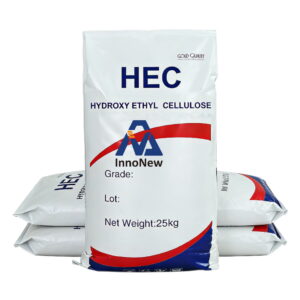
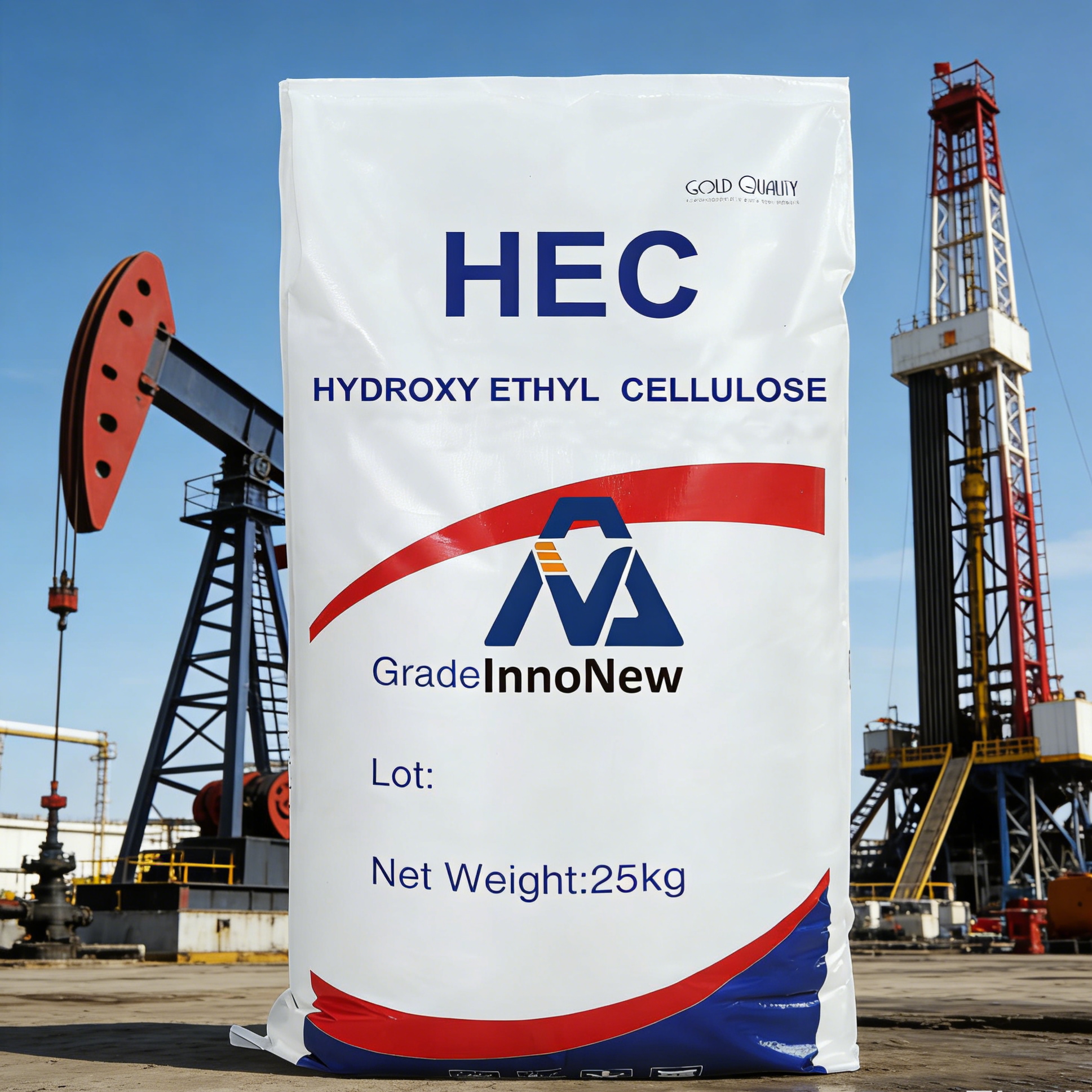
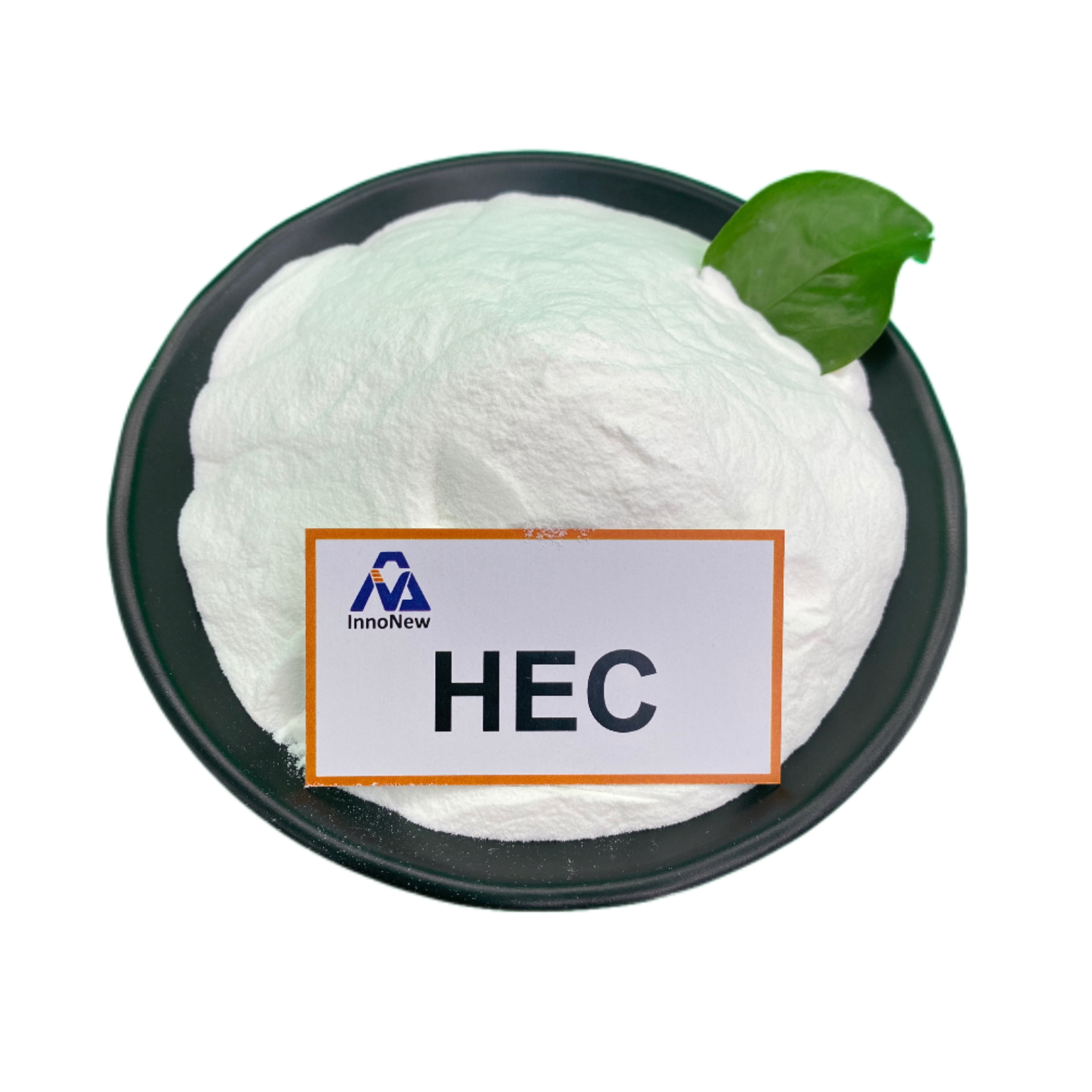
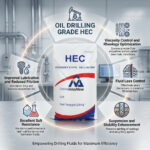
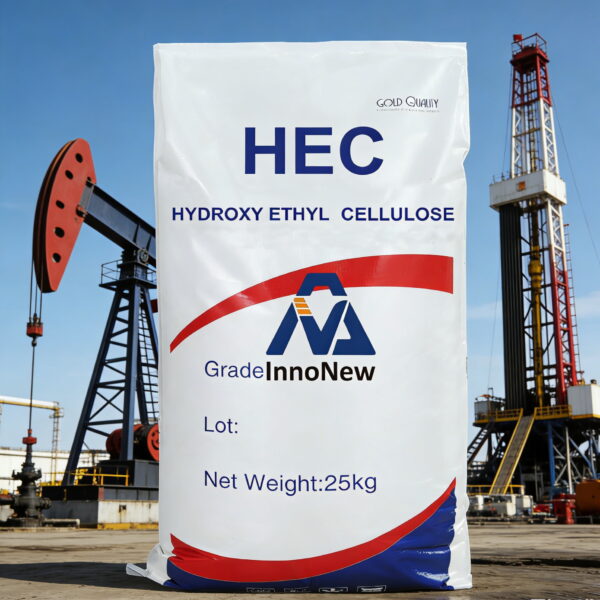
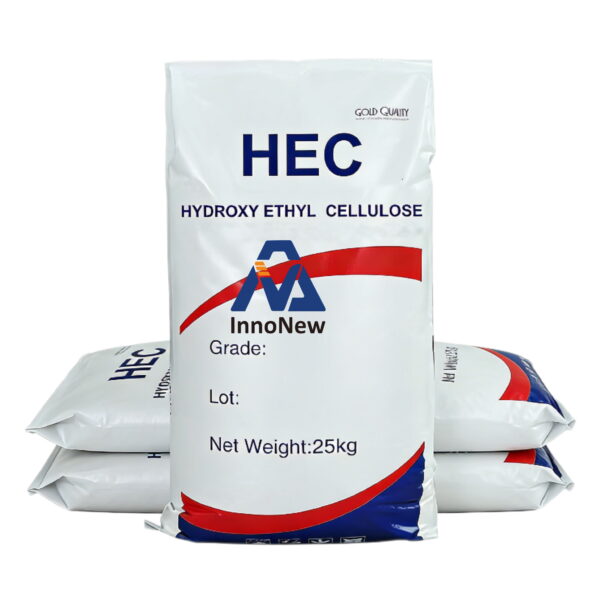
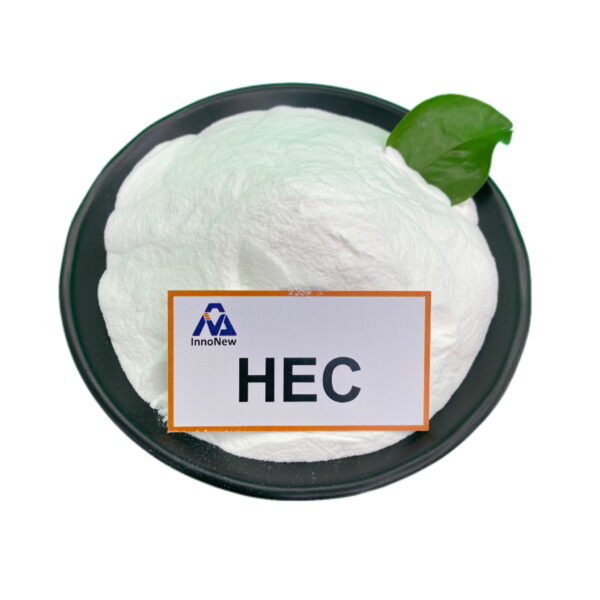
InnoNew® Hydroxyethyl Cellulose HEC oil drilling grade is a high-performance hydroxyethyl cellulose specifically developed for oilfield applications. As a reliable HEC for oil drilling, it serves as an efficient drilling fluid additive, providing excellent viscosity control, fluid loss reduction, and overall system stability in water-based drilling fluids.
At Hebei InnoNew Material Technology Co., Ltd., we manufacture premium hydroxyethyl cellulose drilling fluid solutions designed to perform consistently in complex and demanding drilling environments, including high salinity and challenging geological formations.
Product Description
Hydroxyethyl Cellulose (HEC) is a non-ionic, water-soluble polymer derived from natural cellulose. In drilling fluid systems, it acts as a rheology modifier and thickener, improving the flow behavior and stability of the fluid.
HEC oil drilling grade is widely used in water-based drilling fluids due to its excellent compatibility with other additives and its ability to maintain stable performance under varying operational conditions.
Key Features and Benefits
HEC oil drilling grade offers a range of performance advantages that make it an essential component in modern drilling fluid formulations:
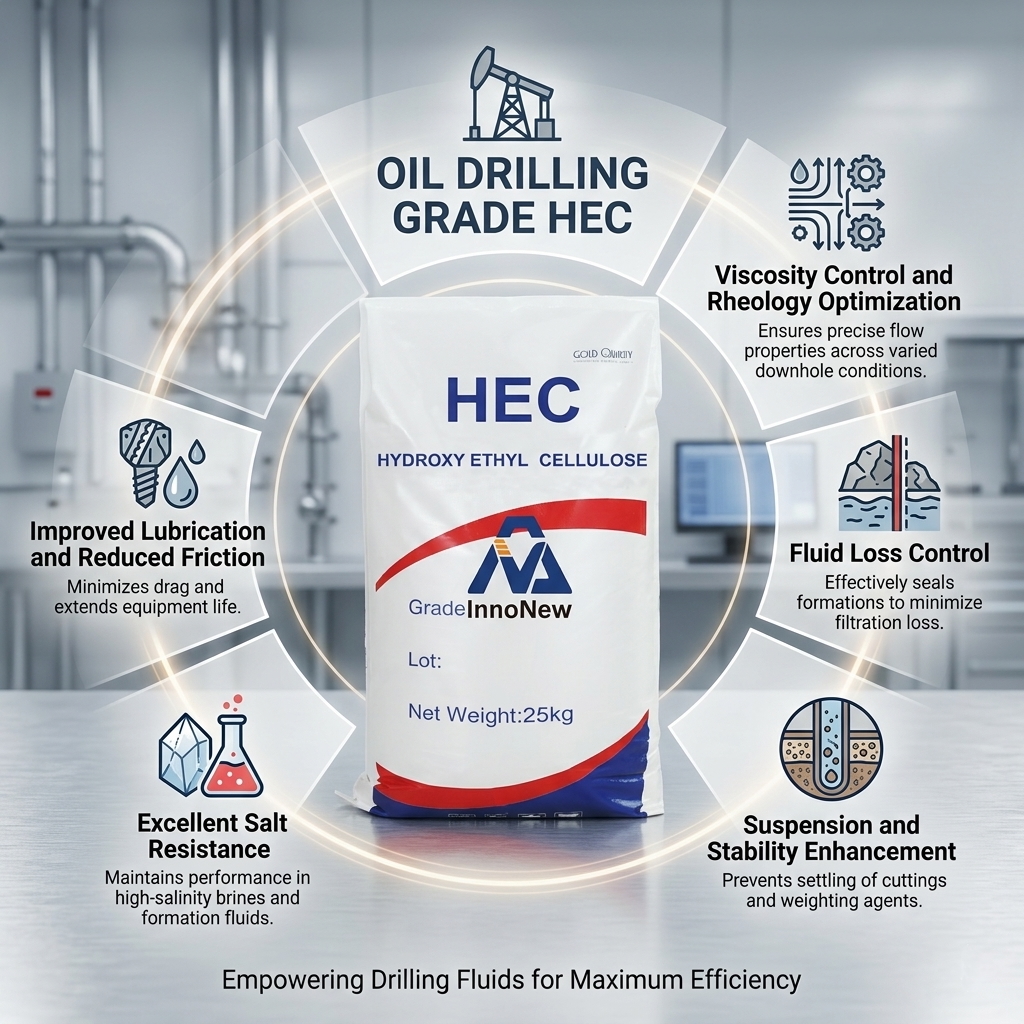
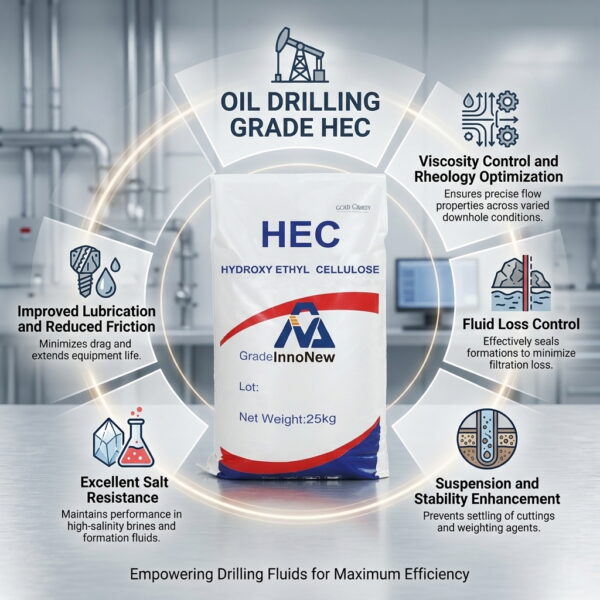
- Excellent viscosity control to ensure optimal rheology during drilling operations
- Effective fluid loss control to minimize formation damage
- Strong suspension capability for uniform dispersion of solids
- High salt resistance for stable performance in saline environments
- Fast hydration and easy dispersion in water-based systems
These properties make hydroxyethyl cellulose drilling fluid systems highly reliable for both standard and complex drilling operations.
Specification:
| Grade | Viscosity, 2%solution | Moisture | Ash content, | Particle size |
| Y30 | 1,500-2500 | ≤ 5.0% | ≤ 5.0% | 98% pass 80m |
| Y60 | 2,500-3,500 | ≤ 5.0% | ≤ 5.0% | 98% pass 80m |
| Y100 | 3,500-5,000 | ≤ 5.0% | ≤ 5.0% | 98% pass 80m |
Applications
HEC for oil drilling is widely used in various oilfield applications, including:
- Water-based drilling fluids
- Completion fluids
- Workover fluids
- Horizontal and directional drilling
- Shale and complex geological formations
👉 Get expert support for your formulation
Recommended Dosage
The typical dosage of HEC oil drilling grade ranges from 0.2% to 0.6%, depending on drilling conditions and formulation requirements.
Lower dosages are suitable for viscosity adjustment, while higher concentrations are recommended when enhanced suspension stability and fluid loss control are required.
Proper mixing and hydration are essential to achieve optimal performance.
HEC vs PAC in Drilling Fluids
HEC and PAC (Polyanionic Cellulose) are both commonly used drilling fluid additives, but they serve different functions.
HEC is mainly used for viscosity control, rheology optimization, and overall system stability. In contrast, PAC is primarily used for stronger fluid loss control.
In many drilling fluid formulations, HEC and PAC are used together to achieve balanced performance between viscosity and filtration control.
Why Choose Our HEC Oil Drilling Grade
Choosing the right supplier is critical for achieving consistent drilling performance. Our HEC oil drilling grade offers:
- Stable and controlled viscosity performance
- Excellent compatibility with water-based drilling systems
- Reliable performance in high salinity and complex environments
- Strong technical support for formulation optimization
- Consistent quality with global supply capability
Our products are trusted by customers worldwide for their performance and reliability in oilfield applications.
FAQ:
1. What is HEC used for in oil drilling?
HEC thickens drilling fluids, suspends cuttings, and controls fluid loss into formations. It improves hole cleaning and protects the reservoir.
2. Why use HEC instead of other viscosifiers?
HEC is non-ionic, salt-tolerant, and solids-free. It works in high-salinity brines and seawater without viscosity loss, and it breaks clean without damaging the formation.
3. Is HEC suitable for high-temperature wells?
Yes, HEC remains stable up to 120°C (250°F). For higher temperatures, use with crosslinkers or consult our technical team.
4. How do you mix HEC without forming lumps?
Use high-shear mixing or disperse HEC in an oil-based carrier before adding to water. This prevents fisheyes and ensures complete hydration.