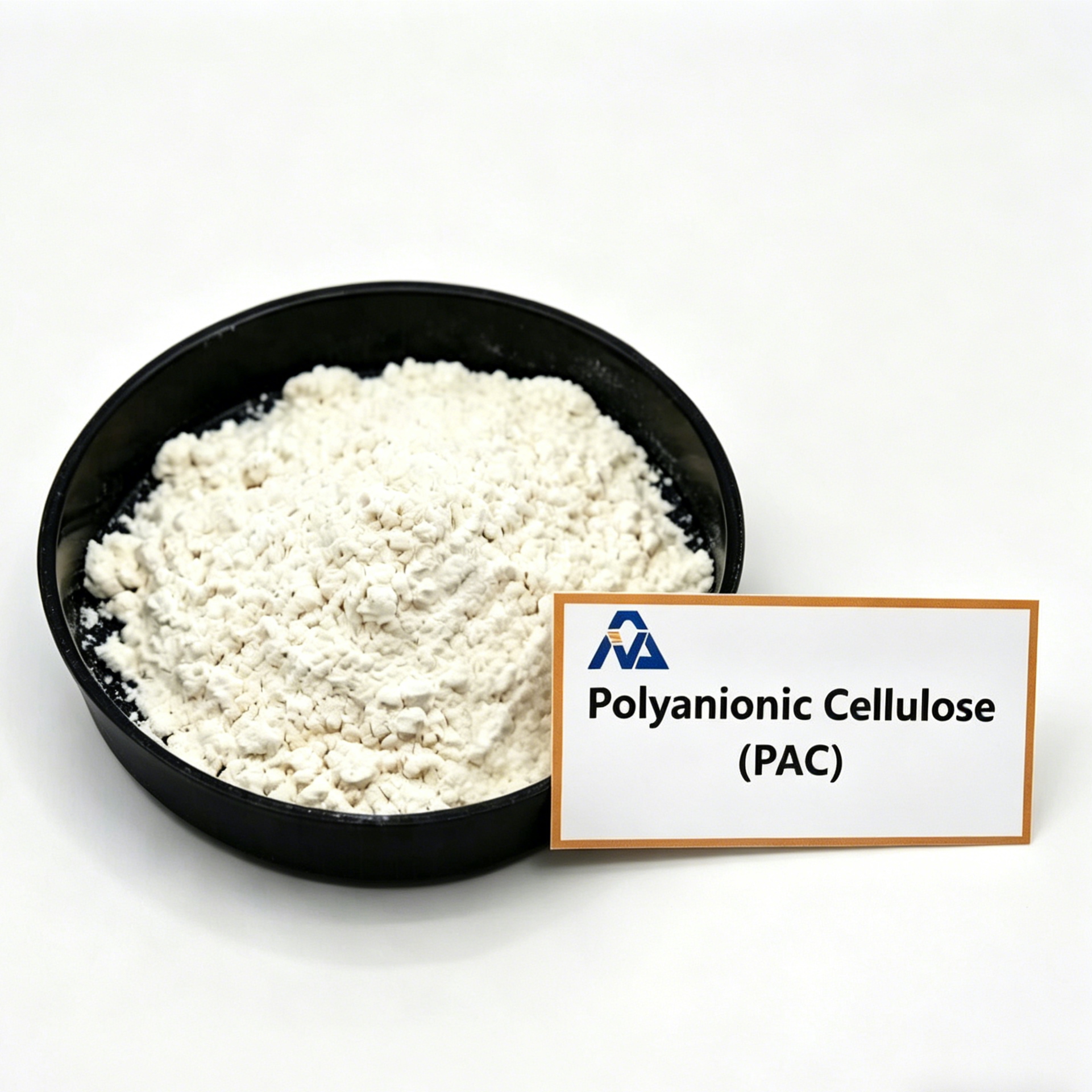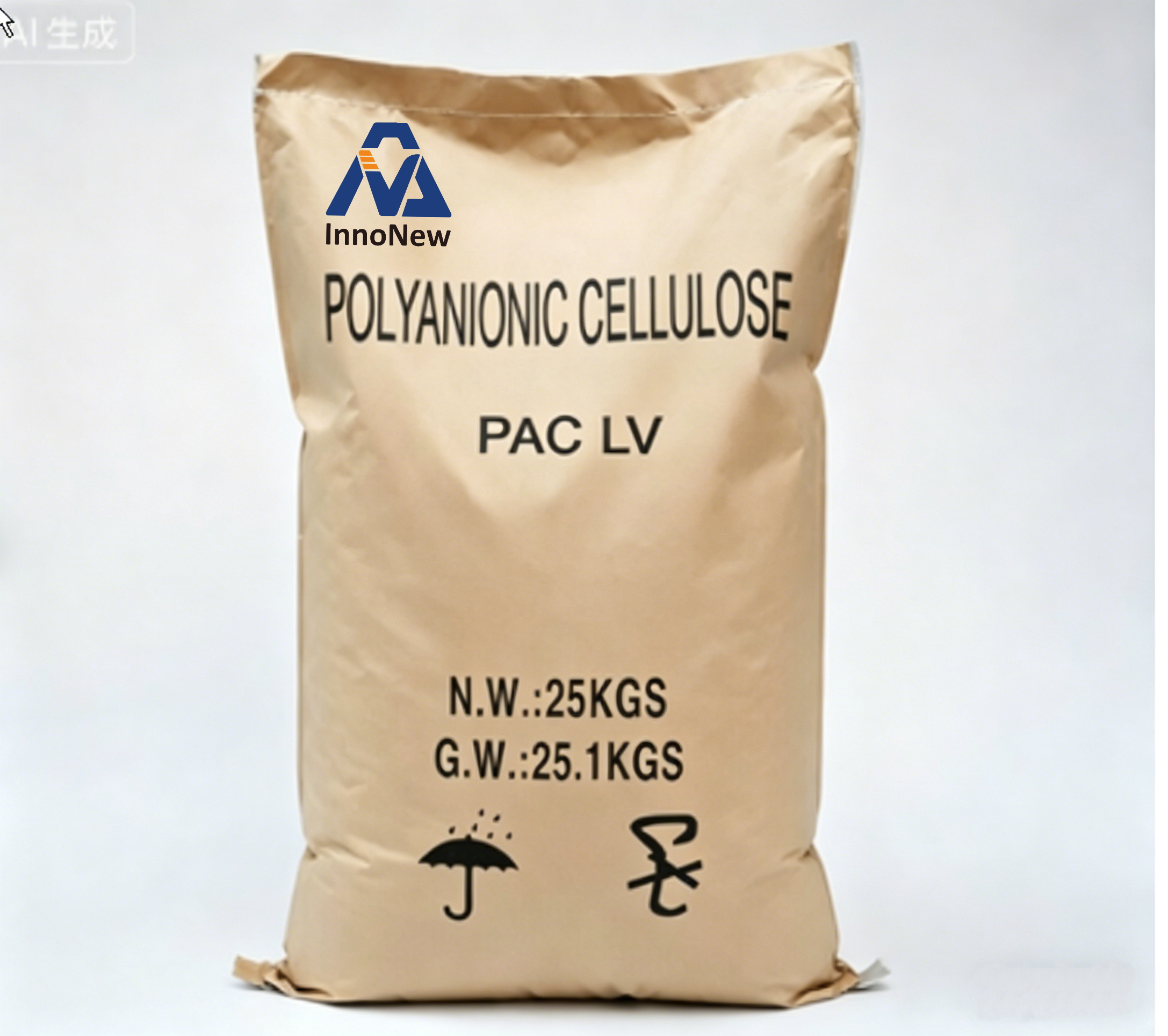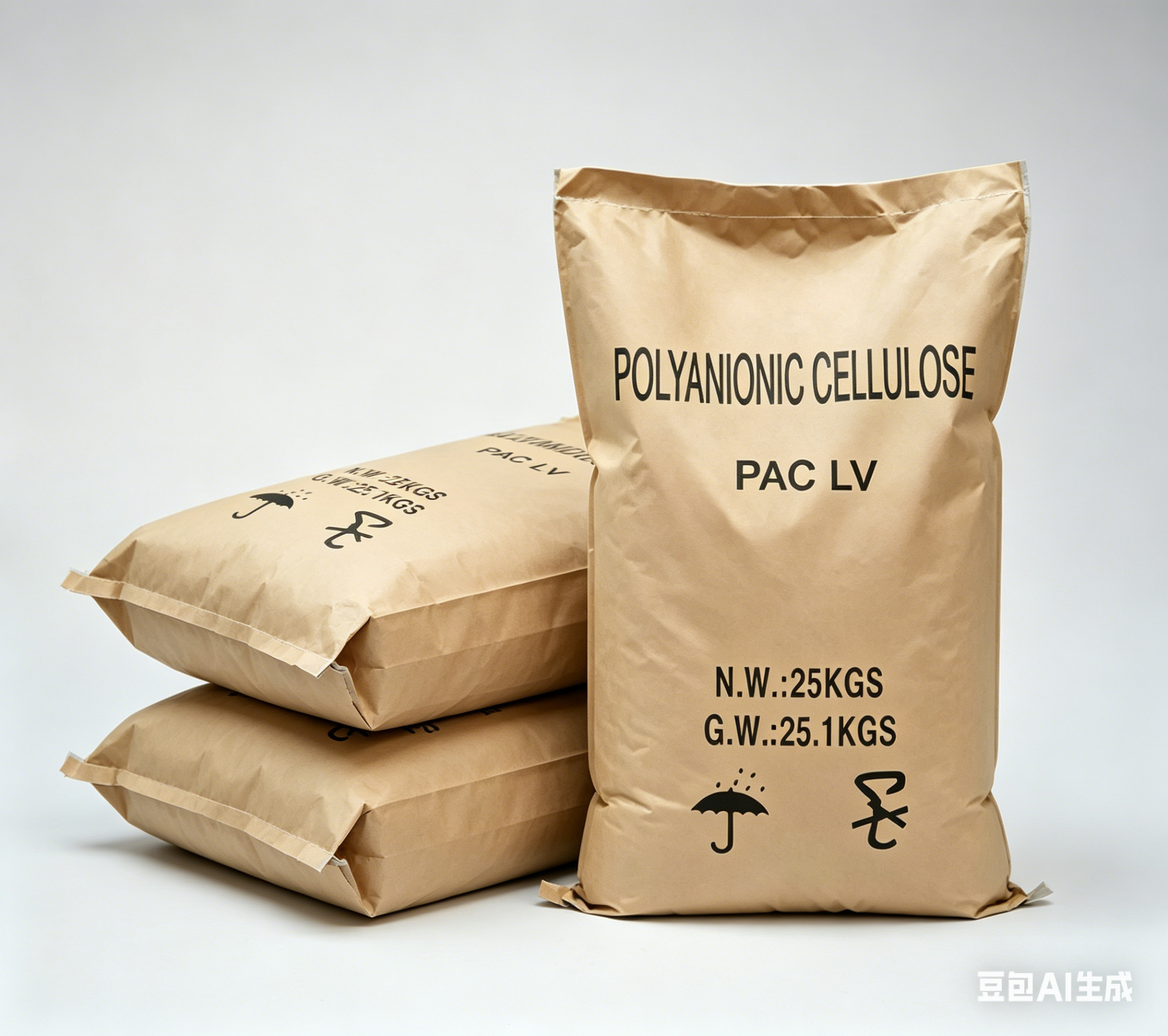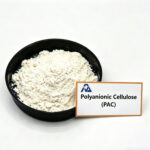
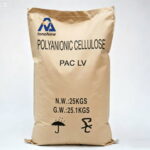
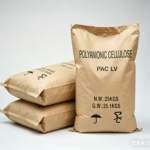
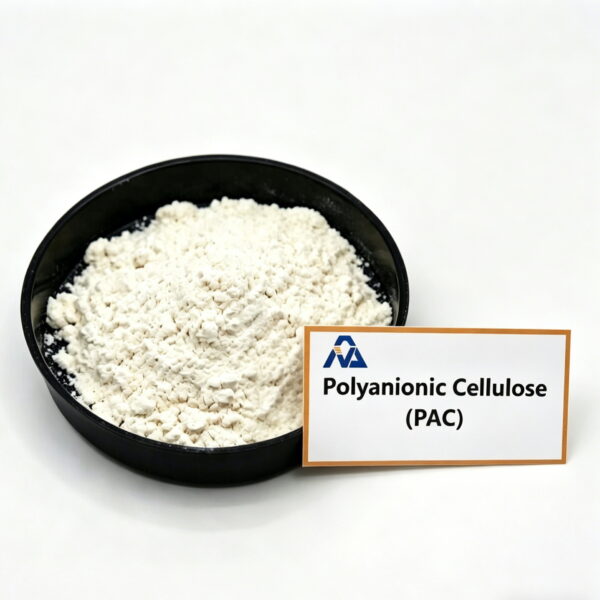
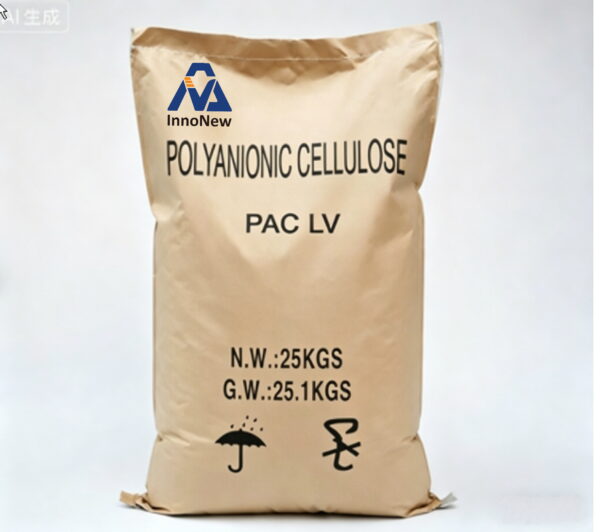
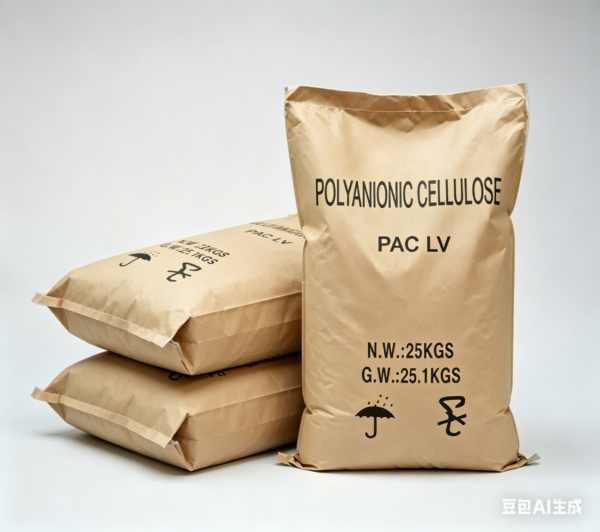
What is Polyanionic Cellulose (PAC)?
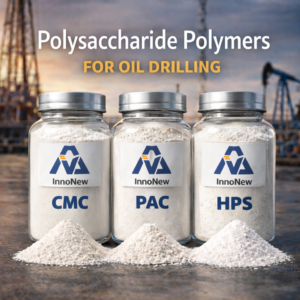
Polyanionic Cellulose (PAC) is a modified cellulose polymer widely used as a high-efficiency fluid loss control additive in water-based drilling fluids.
Compared with conventional cellulose derivatives, PAC offers:
- Superior salt resistance
- Excellent thermal stability
- Strong filtration control performance
- Stable viscosity across harsh drilling conditions
PAC is considered an upgraded alternative to traditional Carboxymethyl Cellulose, especially in demanding oilfield environments.
Key Benefits of PAC in Drilling Fluids
1. Outstanding Fluid Loss Control
PAC significantly reduces filtration loss by forming a thin, low-permeability filter cake.
2. Excellent Salt & Calcium Resistance
Maintains performance in:
- Seawater drilling
- High salinity formations
- Calcium-rich environments
3. Thermal Stability
Stable under medium to high temperature drilling conditions.
4. Improved Wellbore Stability
Enhances mud structure and prevents:
- Borehole collapse
- Formation damage
5. Flexible Viscosity Grades
Available in:
- Low Viscosity PAC (LV-PAC) → filtration control
- High Viscosity PAC (HV-PAC) → viscosity + suspension
PAC vs CMC vs HPS (Application Positioning)
| Property | PAC | CMC | HPS |
|---|---|---|---|
| Fluid Loss Control | ⭐⭐⭐⭐⭐ | ⭐⭐⭐ | ⭐⭐⭐⭐ |
| Salt Resistance | ⭐⭐⭐⭐⭐ | ⭐⭐ | ⭐⭐⭐⭐ |
| Thermal Stability | ⭐⭐⭐⭐ | ⭐⭐ | ⭐⭐⭐ |
| Cost Efficiency | ⭐⭐⭐ | ⭐⭐⭐⭐⭐ | ⭐⭐⭐⭐ |
| Application | Oil drilling | Basic mud systems | Enhanced systems |
Applications of PAC
Oil & Gas Drilling Fluids
- Water-based mud (WBM)
- Offshore drilling systems
- Deep well drilling
Mining & HDD
- Horizontal directional drilling
- Borehole stabilization
Saltwater & Harsh Environments
- Seawater drilling fluids
- High salinity formations
Technical Specifications
| Parameter | LV-PAC | HV-PAC |
|---|---|---|
| Appearance | White/Off-white powder | White/Off-white powder |
| Degree of Substitution | ≥ 0.9 | ≥ 0.9 |
| Viscosity, mPa.s | ≤20–40 | ≥50 |
| Fluid Loss Reduction | Excellent | Excellent |
| Moisture | ≤ 10% | ≤ 10% |
Why Choose Our PAC?
- Stable industrial-grade consistency
- Strict quality control system
- Competitive factory direct pricing
- Customized viscosity & performance grades
- Strong export experience (oilfield supply chain)
FAQ
1. What is the difference between PAC and CMC?
PAC has higher substitution and better salt resistance, making it more suitable for demanding drilling environments compared to CMC.
2. Which PAC grade should I choose?
- LV-PAC → for fluid loss control
- HV-PAC → for viscosity and suspension
3. Can PAC be used in seawater drilling?
Yes. PAC performs exceptionally well in high salinity and seawater-based drilling fluids.
4. Is PAC compatible with other additives?
Yes, PAC is compatible with most drilling fluid additives including starch derivatives and polymers.
5. What is the typical dosage of PAC?
Generally ranges from 0.2% to 1.0%, depending on drilling conditions.