
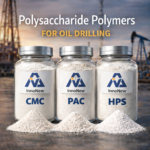
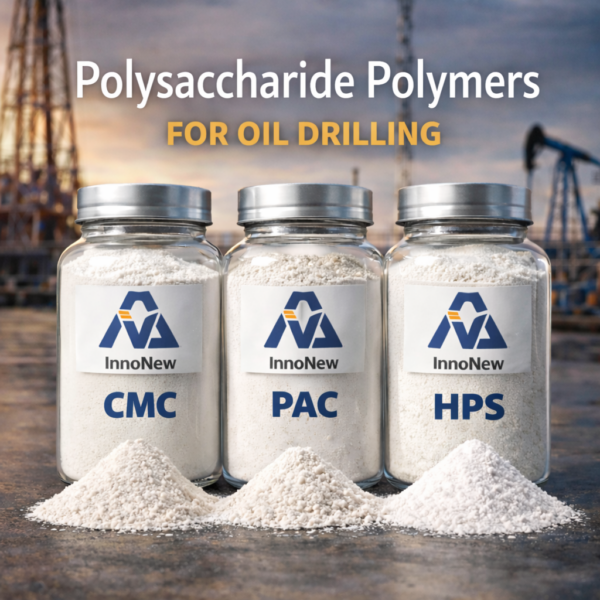
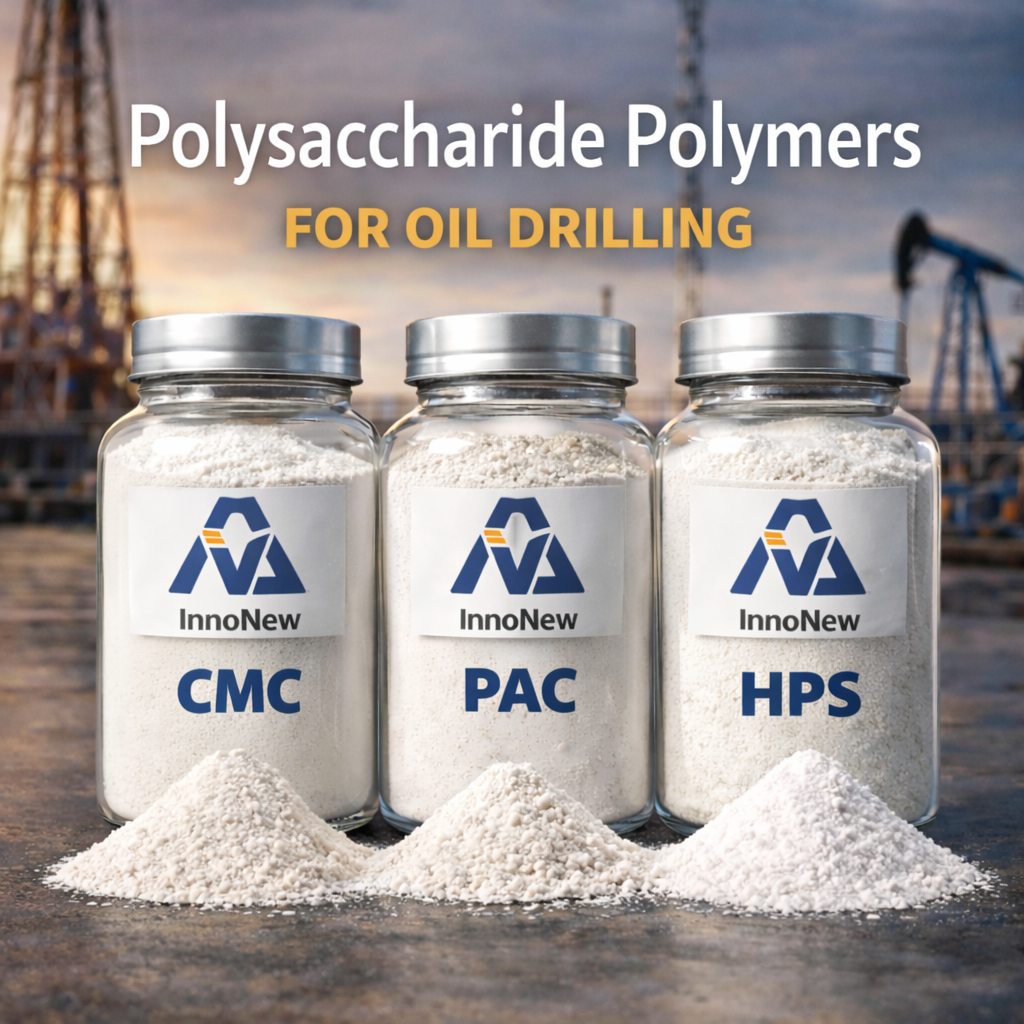
Polysaccharide Polymers for Oil Drilling
CMC, PAC & HPS Drilling Fluid Additives Supplier
What Are Polysaccharide Polymers in Oil Drilling?
In oilfield applications, polysaccharide polymers refer to a class of natural or modified polymer additives used in water-based drilling fluids (WBM) to control:
- Fluid loss
- Rheology
- Wellbore stability
In Middle East markets, this term is widely used to describe a functional polymer system, mainly including:
👉 These polymers are often used individually or in combination to achieve optimal drilling performance.
Why Polysaccharide Polymers Are Critical in Drilling Fluids
Without proper polymer systems, drilling fluids may suffer from:
- High fluid loss
- Poor viscosity control
- Formation damage
- Increased drilling cost
✔ Polysaccharide polymers provide:
- Filtration control
- Rheology stabilization
- Cost-performance optimization
Core Product Breakdown
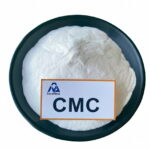
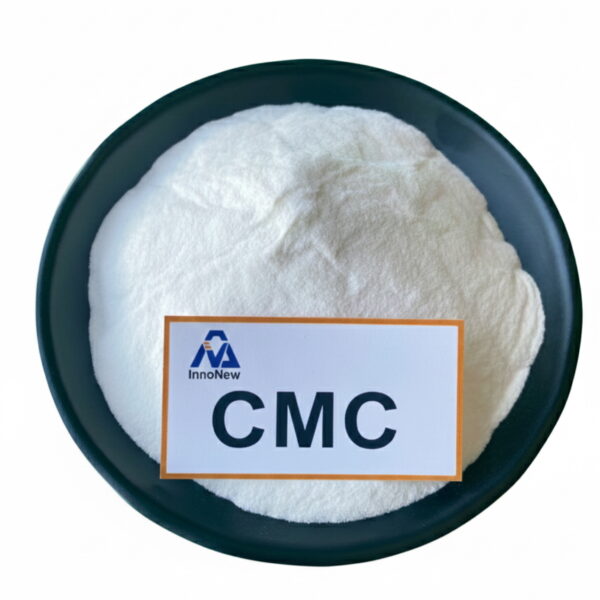
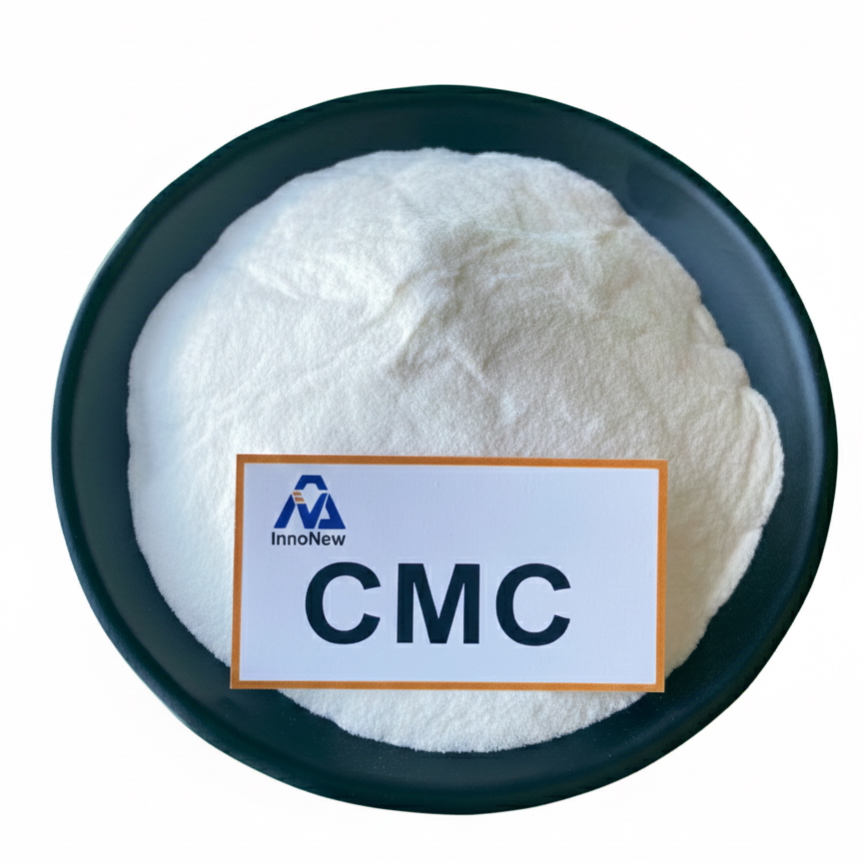
1. CMC (Carboxymethyl Cellulose)
Function: Basic filtration control & viscosity modifier
✔ Advantages:
- Cost-effective
- Easy to use
- Moderate performance
✔ Best for:
- Low-demand drilling environments
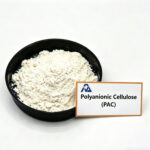
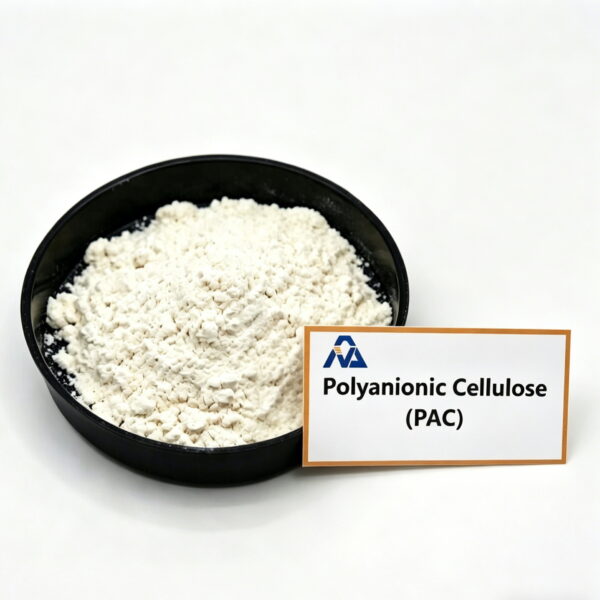
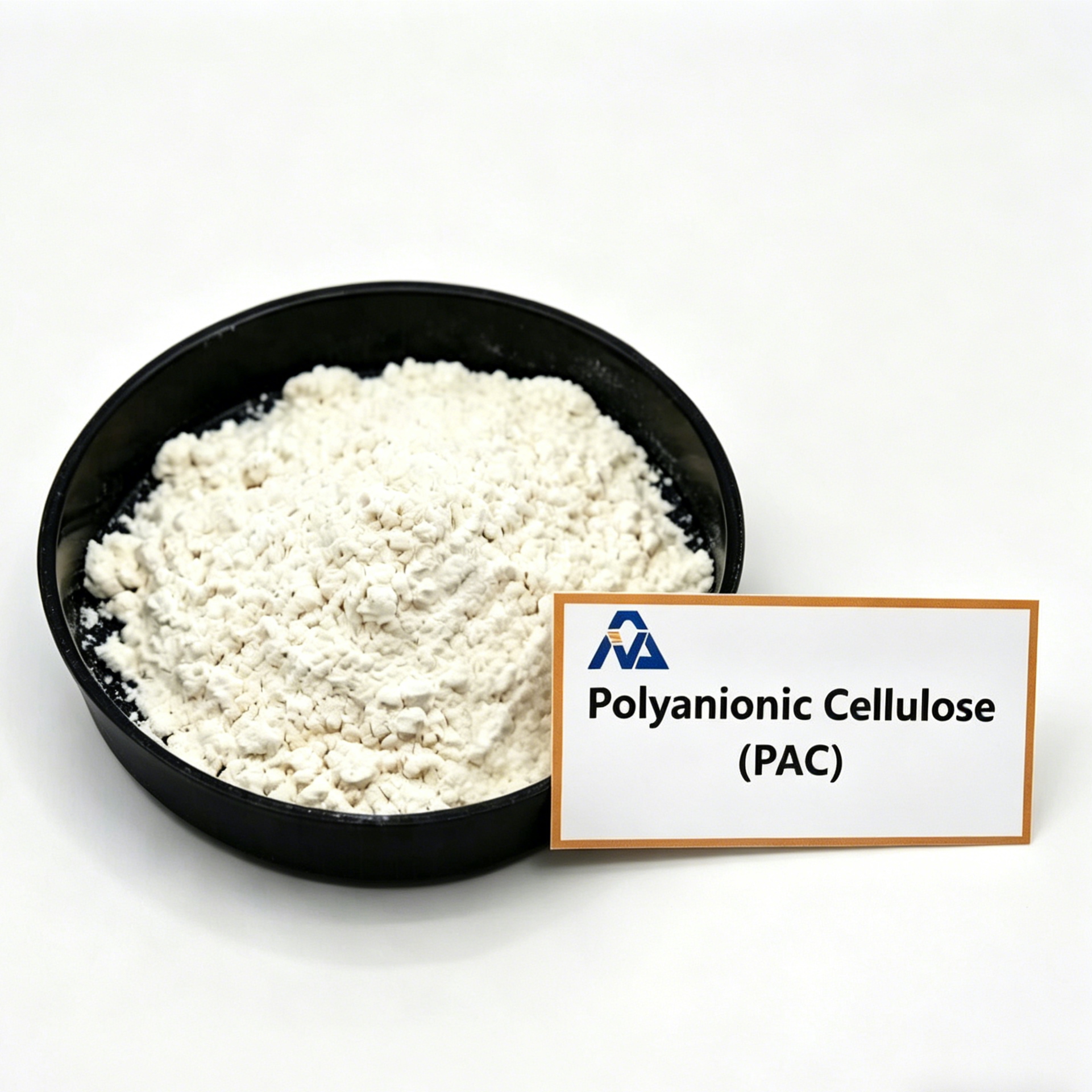
2. PAC (Polyanionic Cellulose)
Function: High-performance fluid loss control
✔ Advantages:
- Excellent filtration control
- High salt tolerance
- Strong thermal stability
✔ Best for:
- High-temperature or high-salinity wells
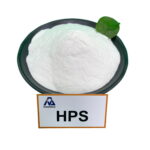
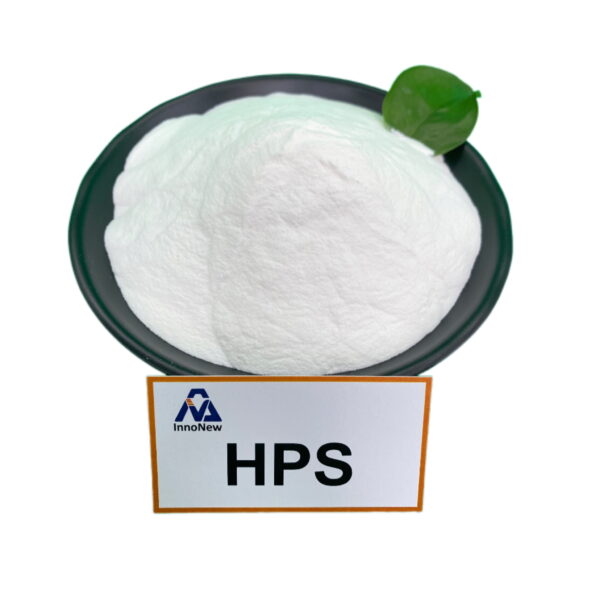
3. HPS (Hydroxypropyl Starch Ether)
Function: Rheology optimization & cost control
✔ Advantages:
- Improves viscosity stability
- Enhances suspension capacity
- Reduces overall formulation cost
✔ Best for:
- Standard drilling systems
- Cost-sensitive projects
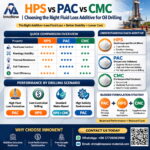
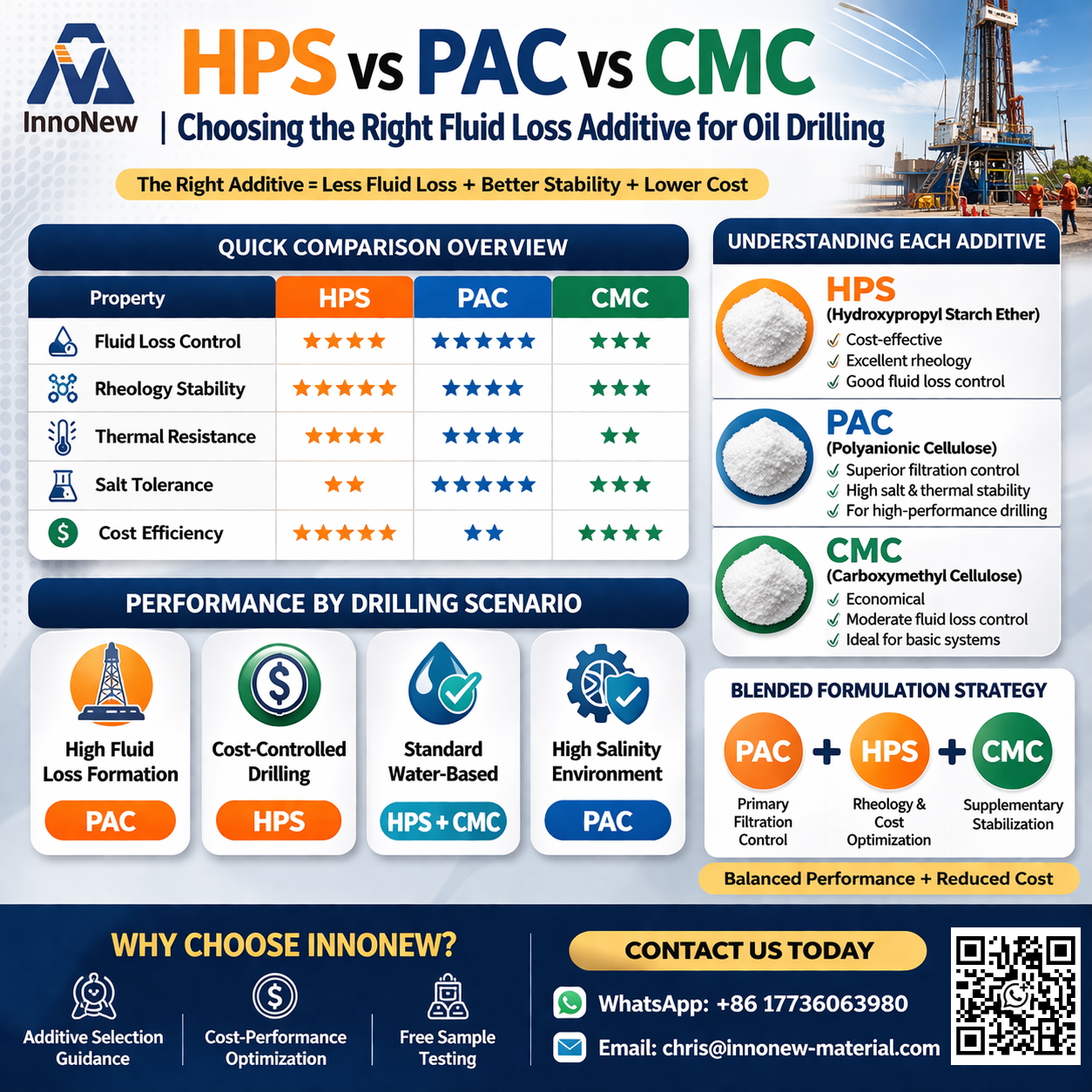
Key Differences Between CMC, PAC, and HPS
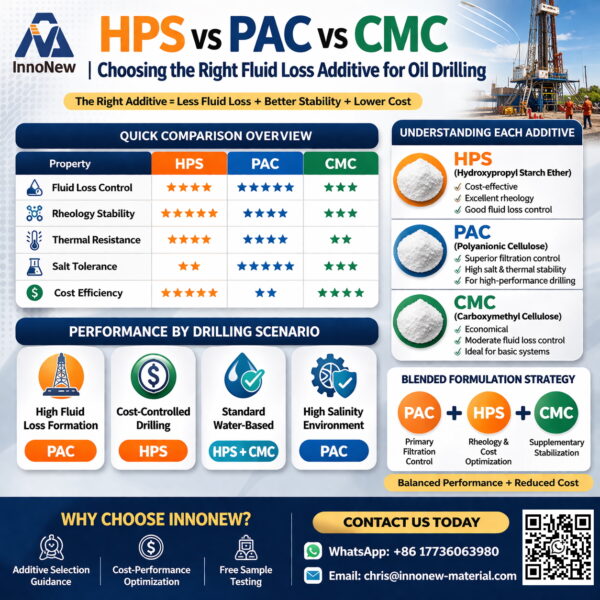
| Property | CMC | PAC | HPS |
|---|---|---|---|
| Fluid Loss Control | Medium | Excellent | Good |
| Rheology Stability | Medium | High | Excellent |
| Salt Resistance | Medium | Excellent | Low-Medium |
| Cost | Low | High | Very Competitive |
| Application Level | Basic | Premium | Balanced |
✔ Insight:
PAC = performance leader
HPS = cost-performance optimizer
CMC = baseline additive
Recommended Blended System
Modern drilling fluids typically use combined polymer systems:
Optimized Formulation Example
- PAC → primary filtration control
- HPS → rheology & cost optimization
- CMC → supplementary stability
✔ Result:
- Balanced performance
- Reduced cost
- Stable drilling operation
Application Scope
Polysaccharide polymers are widely used in:
- Water-Based Drilling Fluids
- Completion Fluids
- Workover Fluids
- Horizontal Drilling Systems
Why Choose Our Polysaccharide Polymer System?
- Consistent product quality
- Optimized for oilfield conditions
- Competitive pricing advantage
- Flexible supply (CMC / PAC / HPS combinations)
✔ We provide complete polymer solutions, not just single products
FAQ
1. What are polysaccharide polymers in drilling?
They are natural or modified polymers used to control fluid loss and rheology.
2. What is the difference between CMC and PAC?
PAC has higher purity and better performance, especially in saline environments.
3. Where is HPS used in drilling fluids?
HPS improves rheology and reduces formulation cost.
4. Can these polymers be used together?
Yes. Combined systems provide the best performance.
5. Which polymer is best?
It depends on the drilling condition. Most systems use a combination.
Call to Action
Looking for a reliable polysaccharide polymer supplier for oil drilling?
We provide:
- Flexible CMC / PAC / HPS Combination for Different Drilling Conditions
- Customized formulation support
- Competitive pricing for bulk orders
📩 Email: chris@innonew-material.com
📱 WhatsApp: +86 17736063980