Is CMC Safe for Food?
Introduction
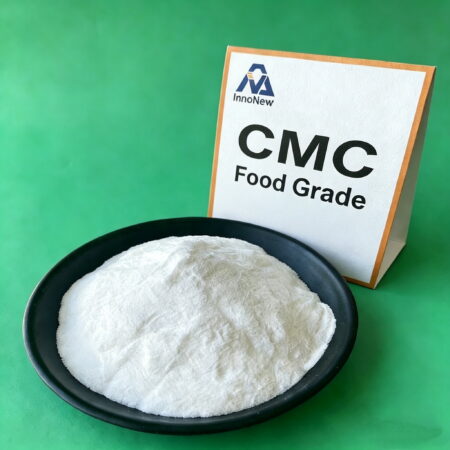
Carboxymethyl Cellulose (CMC), also known as sodium carboxymethyl cellulose, is widely used in the food industry as a thickener, stabilizer, and emulsifier. One of the most common questions among manufacturers and consumers is whether CMC is safe for food use.
The short answer is: Yes, food grade CMC is considered safe when used within approved limits. It is widely regulated and approved by international food safety authorities.
What is CMC in Food?
CMC is a modified cellulose derived from natural plant fibers. In food applications, it functions as a texture enhancer, stabilizer, and moisture retention agent.
It is commonly used in:
- Ice cream
- Yogurt and dairy products
- Beverages
- Sauces and dressings
- Bakery products
Is CMC Approved by Food Authorities?
Food grade CMC is approved by major global regulatory bodies:
- FDA (U.S. Food and Drug Administration)
- EFSA (European Food Safety Authority)
- FAO/WHO Joint Expert Committee on Food Additives
CMC is classified as a safe food additive and is widely used worldwide.
Why is CMC Safe for Food Use?
1. Derived from Natural Cellulose
CMC is produced from plant-based cellulose, making it safe and biodegradable.
2. Non-Toxic and Non-Allergenic
CMC is generally non-toxic and does not cause allergic reactions in most people.
3. Not Digested by the Human Body
CMC behaves like dietary fiber and passes through the digestive system without being absorbed.
4. Widely Tested and Approved
Extensive toxicological studies have confirmed the safety of CMC when used as directed.
Recommended Usage Levels in Food
Typical dosage ranges:
0.2% – 1.0% depending on application
CMC is used in controlled amounts to achieve desired texture and stability without affecting safety.
Are There Any Side Effects of CMC?
CMC is considered safe for general consumption. However, excessive intake may cause mild digestive discomfort in some individuals, similar to other dietary fibers.
Under normal food usage conditions, CMC does not pose health risks.
CMC vs Other Food Additives (Safety Comparison)
| Additive | Safety | Usage |
|---|---|---|
| CMC | Safe | Thickener & stabilizer |
| Xanthan Gum | Safe | Thickener |
| HPMC | Safe | Capsule & food additive |
All these additives are approved and widely used in food processing.
Why Food Manufacturers Choose CMC
- Consistent quality and performance
- Cost-effective compared to alternatives
- Improves texture and shelf life
- Easy to use in various formulations
CMC is one of the most reliable and widely used food additives globally.
FAQ
Is CMC harmful to humans?
No, CMC is considered safe and non-toxic when used within approved limits.
Is CMC natural or synthetic?
CMC is derived from natural cellulose but chemically modified to improve performance.
Can CMC be used in all foods?
CMC can be used in many food products, but usage levels must comply with regulations.
Is CMC vegan?
Yes, CMC is plant-derived and suitable for vegan products.
Call To Action
Looking for high-quality food grade CMC?
Get Free Sample Now
WhatsApp: +86 17736063980
Email: chris@innonew-material.com