
Carboxymethyl Cellulose (CMC) vs Xanthan Gum
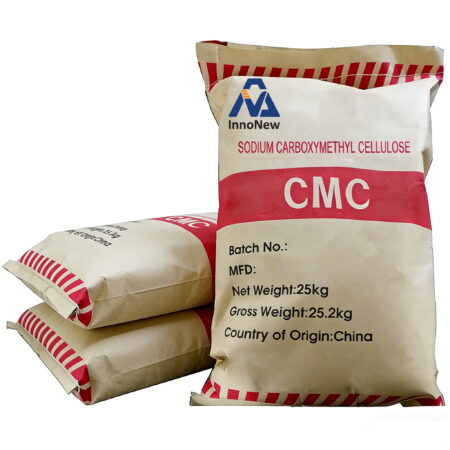
Carboxymethyl Cellulose (CMC) and Xanthan Gum are two widely used water-soluble polymers that function as thickeners, stabilizers, and rheology modifiers. While both improve viscosity and product stability, they differ significantly in performance, cost, compatibility, and application suitability.
Choosing between CMC and Xanthan Gum depends on your specific formulation requirements, industry standards, and cost-performance expectations.
What is CMC?
Carboxymethyl Cellulose (CMC) is a cellulose-derived polymer known for its excellent water solubility, stable viscosity, and cost-effectiveness. It is widely used in detergents, oil drilling fluids, ceramics, textiles, and food products.
What is Xanthan Gum?
Xanthan Gum is a microbial polysaccharide produced through fermentation. It offers superior viscosity stability under extreme conditions and is commonly used in food, cosmetics, and oilfield applications.
CMC vs Xanthan Gum: Key Differences
| Property | CMC | Xanthan Gum |
|---|---|---|
| Source | Cellulose derivative | Fermentation polymer |
| Cost | Lower | Higher |
| Thickening Ability | Moderate to high | Very high |
| Stability | Good | Excellent |
| Salt Resistance | Moderate | Excellent |
| Shear Stability | Good | Outstanding |
| Application Range | Industrial + Food | Food + High-end industrial |
Performance Comparison
1. Thickening Efficiency
Xanthan Gum provides higher viscosity at lower dosage, making it ideal for formulations requiring strong thickening.
CMC offers adjustable viscosity depending on grade, providing more flexibility for industrial applications.
2. Cost Performance
CMC is significantly more cost-effective, especially for large-scale industrial applications such as detergent and oil drilling.
Xanthan Gum is more expensive due to its fermentation process.
3. Stability in Harsh Conditions
Xanthan Gum performs better in extreme conditions such as high salinity, temperature, and pH variations.
CMC performs well under standard conditions but may have limitations in highly demanding environments.
4. Application Flexibility
CMC is more versatile across industries, including detergent, ceramic, and textile.
Xanthan Gum is more specialized, mainly used in food, cosmetics, and high-end oilfield applications.
Application Comparison
CMC Applications
- Detergent (anti-redeposition agent)
- Oil drilling fluid
- Ceramic binder
- Textile printing thickener
Xanthan Gum Applications
- Food thickener and stabilizer
- Salad dressings and sauces
- Cosmetics and personal care
- High-performance oil drilling fluids
Which One Should You Choose?
Choose CMC if:
- You need a cost-effective solution
- Your application is detergent, ceramic, or textile
- Moderate viscosity is sufficient
Choose Xanthan Gum if:
- You need high viscosity at low dosage
- Your formulation requires extreme stability
- You are working in food or high-end applications
CMC as an Alternative to Xanthan Gum
In many industrial applications, CMC can partially replace Xanthan Gum to reduce cost while maintaining acceptable performance. This is especially common in detergent and drilling fluids, where cost efficiency is critical.
FAQ
Is CMC better than Xanthan Gum?
CMC is more cost-effective and widely used in industrial applications, while Xanthan Gum offers better performance in extreme conditions.
Can CMC replace Xanthan Gum?
In some applications, CMC can replace Xanthan Gum partially to reduce cost.
Which is cheaper, CMC or Xanthan Gum?
CMC is generally more affordable than Xanthan Gum.
Is Xanthan Gum stronger than CMC?
Yes, Xanthan Gum provides stronger thickening and better stability under harsh conditions.
Call To Action
Looking for a reliable CMC supplier?
Get Free Sample Now
WhatsApp: +86 17736063980
Email: chris@innonew-material.com