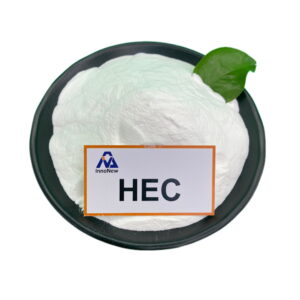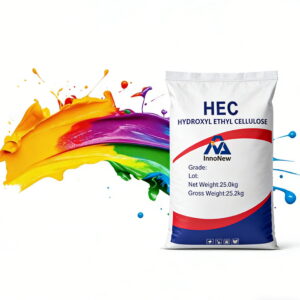
HEC Enhances Paint Flow and Leveling: Hydroxyethyl Cellulose for Smooth Coatings

How HEC Enhances Paint Flow and Leveling: Hydroxyethyl Cellulose for Smooth Coatings

HEC Enhances Paint Fow and Leveling: Hydroxyethyl Cellulose for Smooth Coatings One of the key benefits of HEC for paint is its ability to improve flow properties. By modifying the paint’s rheology, HEC ensures that coatings spread evenly on surfaces, reducing brush and roller marks. This is especially import In water-based coatings, achieving smooth flow […]

How HEC Enhances Paint Flow and Leveling: Hydroxyethyl Cellulose for Smooth Coatings Read More »
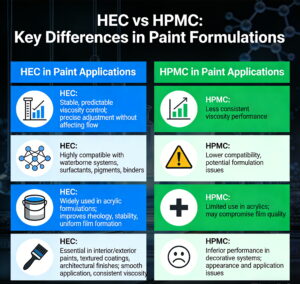
HEC vs HPMC in paint comparison showing viscosity performance and coating application differences

HEC vs HPMC in Paint Formulation: How to Choose the Right Cellulose Ether for Water-Based Coatings

HEC vs HPMC in Paint Formulation: Choosing the right Cellulose Ether In modern waterborne coating systems, selecting the right cellulose ether is critical for achieving optimal viscosity, workability, and coating performance. Among the most widely used materials, hydroxyethyl cellulose (HEC) and hydroxypropyl methyl cellulose (HPMC) are two key options. Understanding the differences between HEC and

HEC vs HPMC in Paint Formulation: How to Choose the Right Cellulose Ether for Water-Based Coatings Read More »

Hydroxyethyl cellulose HEC for paint high performance thickener for water based coatings rheology modifier latex paint additive

How HEC Improves Paint Viscosity and Coating Performance

In modern coating formulations, achieving optimal rheology, stability, and application performance is critical. Hydroxyethyl Cellulose (HEC) has become a key additive in water-based paints due to its excellent thickening, water retention, and film-forming support properties. For manufacturers seeking consistent quality and improved coating efficiency, HEC for paint plays a decisive role in controlling viscosity and

How HEC Improves Paint Viscosity and Coating Performance Read More »

Scroll to Top