
High-Performance Chemical System for Ready-Mix, Precast and Infrastructure Projects in Tropical Climate
1. Overview: Concrete Challenges in Malaysia Construction Market
Malaysia’s construction industry is strongly driven by rapid urbanization, infrastructure expansion, and large-scale industrial development in regions such as Kuala Lumpur, Johor, Penang, and Sabah.
However, concrete performance in Malaysia is significantly affected by tropical environmental conditions, especially:
- High ambient temperature (30°C–40°C)
- High humidity levels throughout the year
- Long-distance ready-mix transportation
- High demand for pumpable concrete in high-rise buildings
- Increasing use of manufactured sand and variable aggregate quality
These conditions lead to several technical challenges:
- Rapid slump loss during transportation
- Inconsistent workability at job sites
- Early setting in hot weather conditions
- Pumping pressure increase in vertical structures
- Shrinkage cracking and durability issues
To solve these problems, modern construction increasingly relies on a multi-component concrete admixture system, rather than single additive solutions.
2. Concrete Admixture System Approach (Not Single Product Solution)
In advanced concrete engineering, performance is not achieved by one chemical alone, but through a balanced system of admixtures, including:
- Polycarboxylate Ether (PCE) Superplasticizer
- Set Retarder
- Defoaming Agent
- Polypropylene (PP) Fiber
- Cellulose-based additives (HPMC)
- Polymer binders (RDP)
Each component plays a specific role in modifying fresh and hardened concrete behavior.
This system approach ensures:
- Stable rheology control
- Optimized hydration process
- Improved durability under tropical conditions
- Better construction efficiency for ready-mix and precast plants
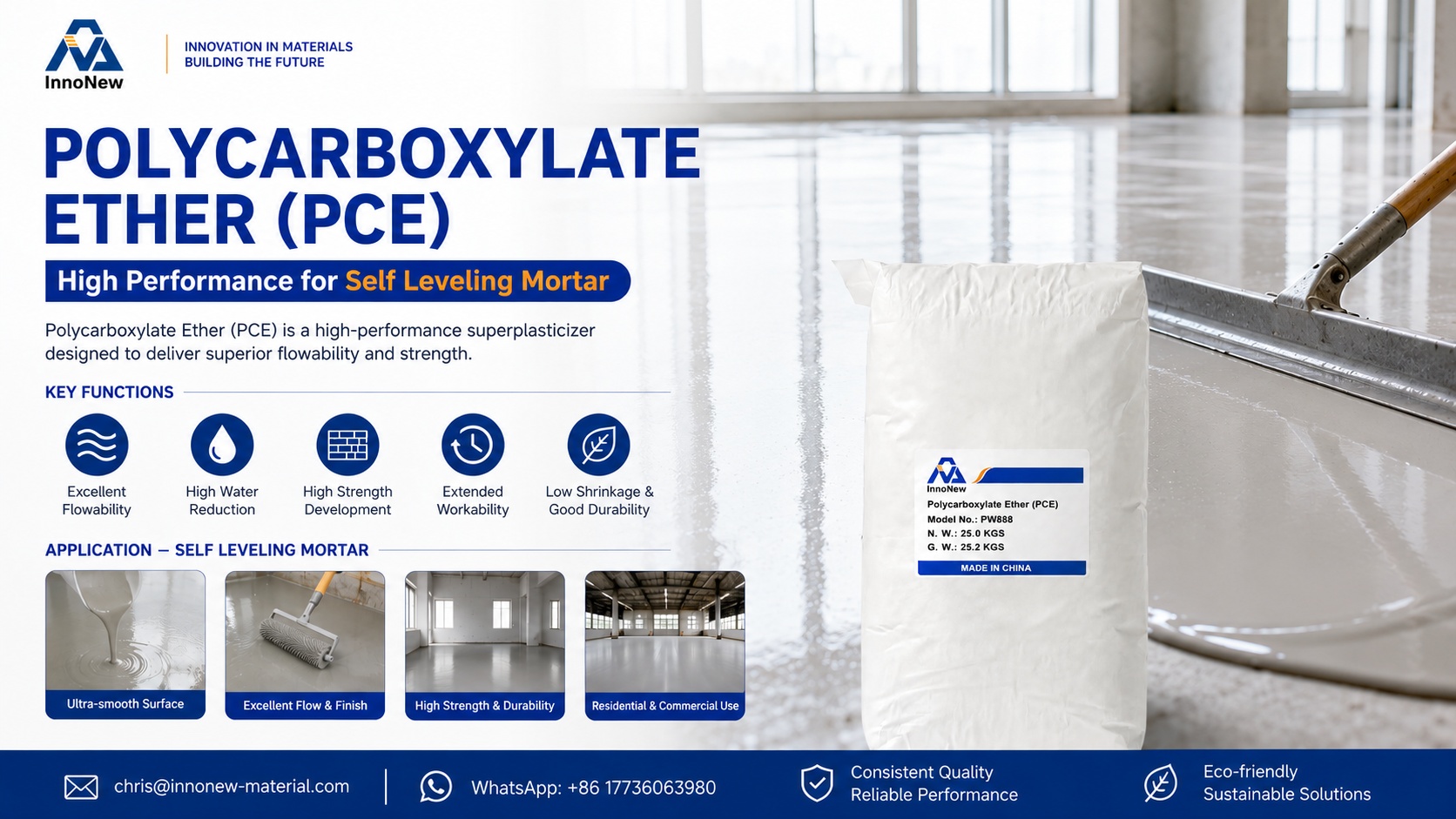
3. Polycarboxylate Ether (PCE) Superplasticizer – Core Performance Driver
Polycarboxylate Ether (PCE) is the most advanced generation of high-range water reducing admixtures used in modern concrete systems.
Technical Functions:
- High water reduction capability (typically 25–40%)
- Strong dispersion of cement particles
- Improved flowability and pumpability
- Excellent slump retention performance
- Reduced cement consumption while maintaining strength
Performance in Malaysia Climate:
In tropical environments, traditional plasticizers often fail due to rapid slump loss. PCE provides:
- Extended workability time during transport (2–4 hours typical target)
- Stable rheology under high temperature
- Improved pumping efficiency in high-rise construction
- Reduced viscosity fluctuation in ready-mix operations
Application:
- Ready-mix concrete plants
- High-rise pumping concrete
- Precast concrete production
- Infrastructure concrete (bridges, MRT, tunnels)
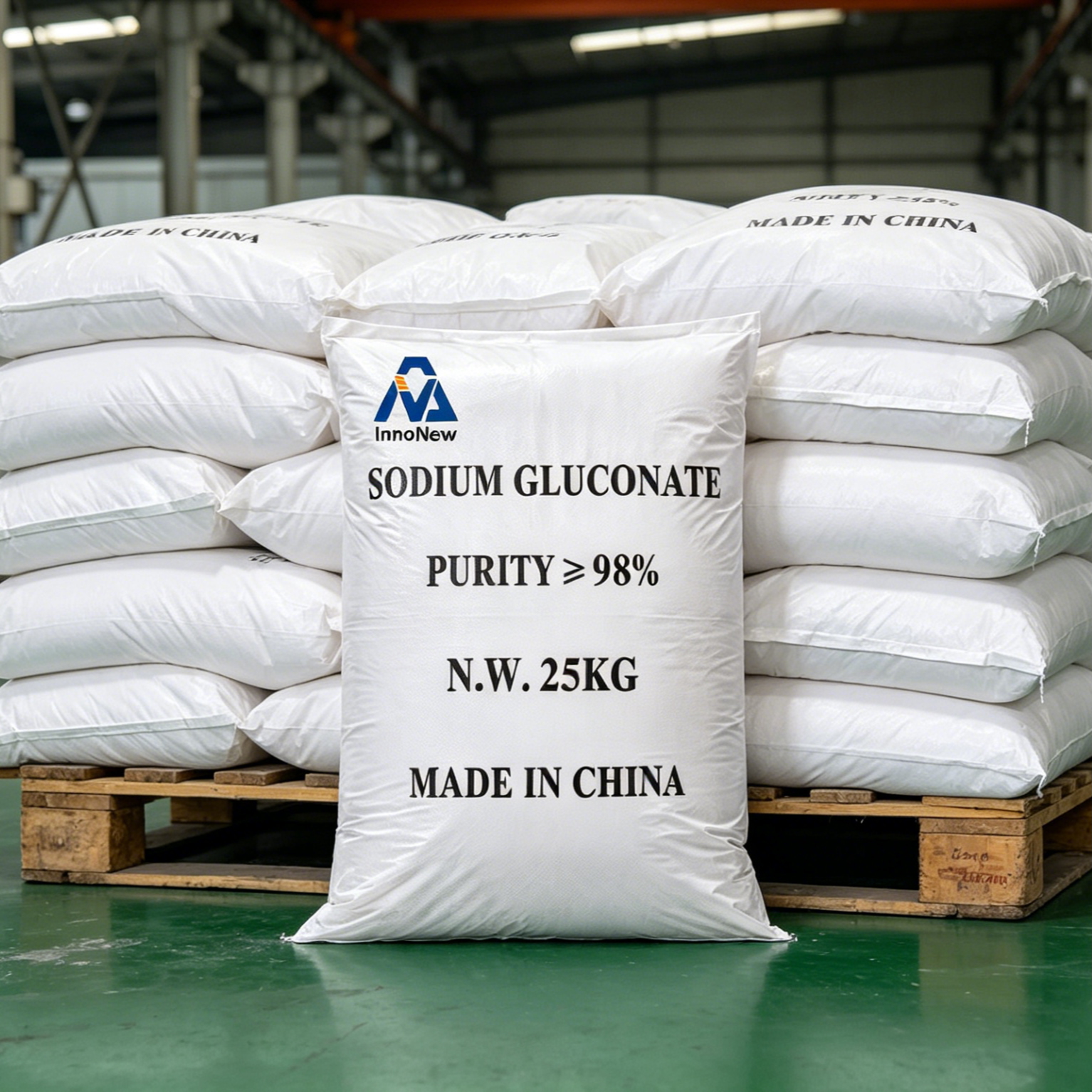
4. Set Retarder – Workability Control in Hot Weather
Concrete hydration in Malaysia is accelerated due to high temperature conditions. Without proper control, this leads to early stiffening and loss of placing time.
Function Mechanism:
Set retarders work by temporarily slowing down cement hydration reactions, particularly C3A phase activity.
Technical Benefits:
- Extends initial setting time
- Improves placement flexibility
- Reduces cold joint risk in large pours
- Stabilizes long-distance transport performance
Typical Applications:
- Mass concrete pours
- Hot weather concreting
- Large foundation works
- Continuous slab construction
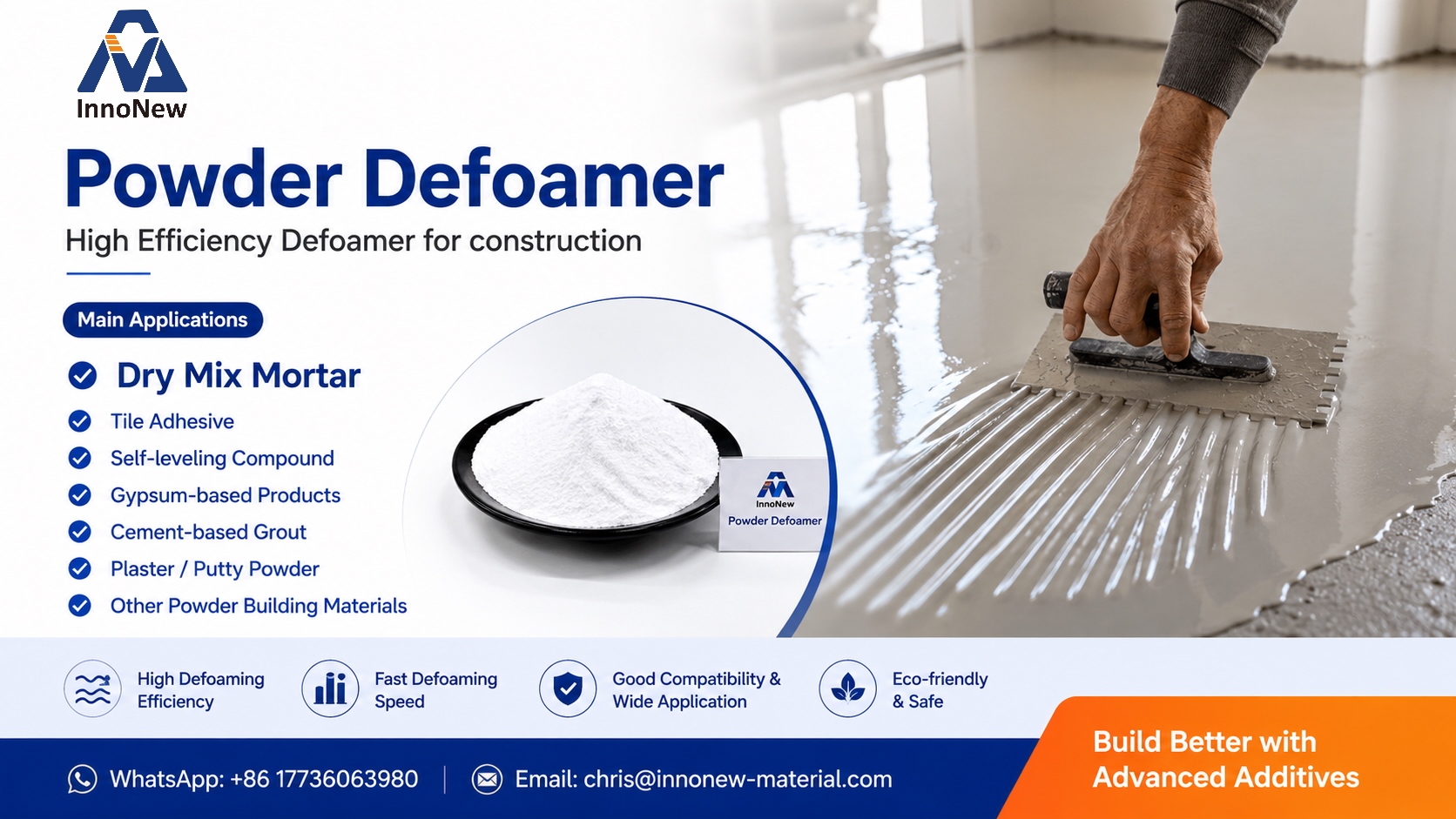
5. Defoaming Agent – Air Void Control and Surface Quality
Entrapped air in concrete negatively affects both strength and surface appearance.
Key Functions:
- Reduces micro and macro air bubbles
- Improves concrete density
- Enhances surface smoothness in precast elements
- Reduces pinholes and honeycomb defects
Industrial Importance:
In precast manufacturing in Malaysia, surface quality is a key commercial requirement. Defoamer plays a critical role in achieving architectural-grade concrete finishes.
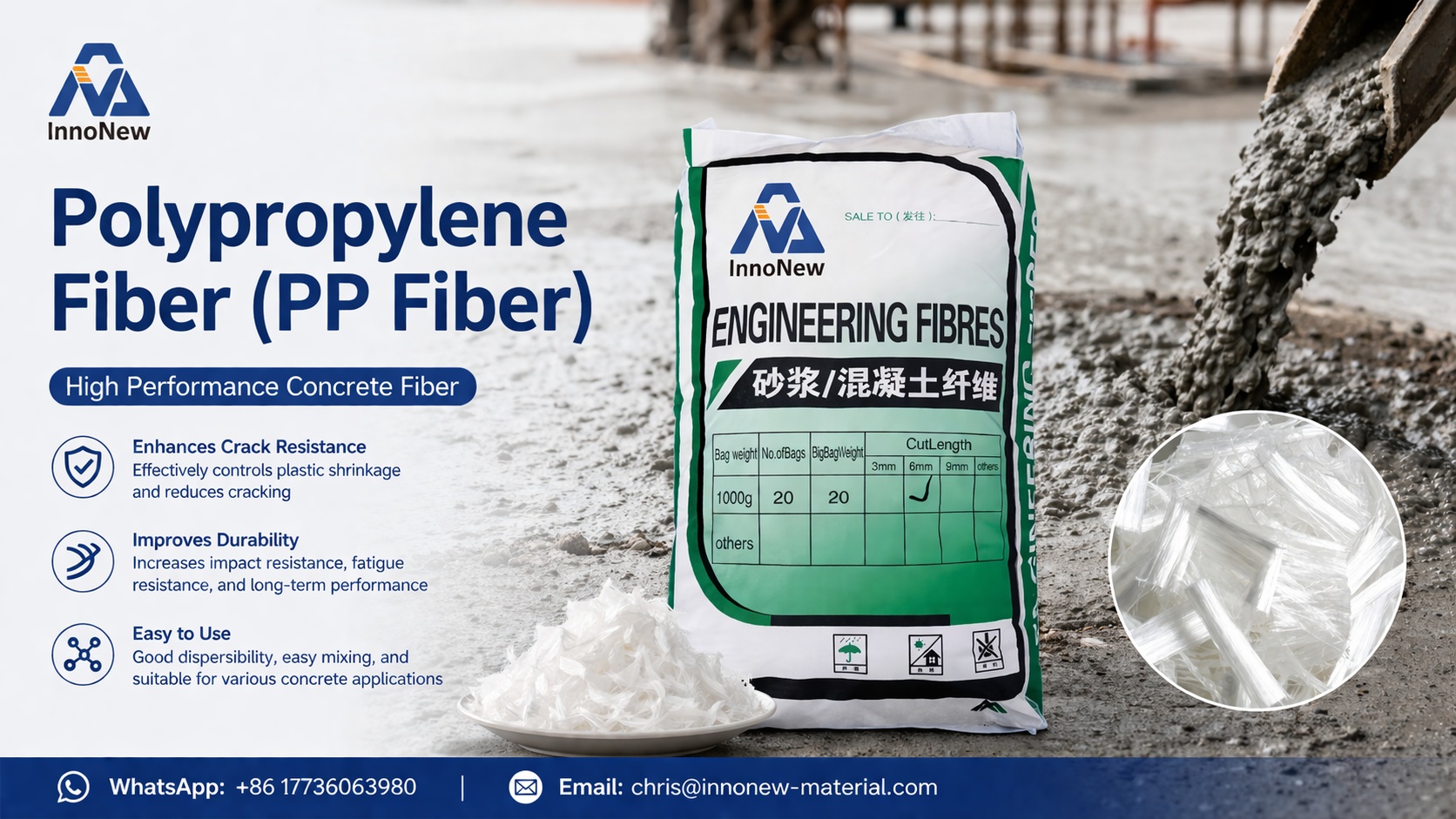
6. Polypropylene (PP) Fiber – Crack Control and Durability Enhancement
PP fiber is widely used in industrial and structural concrete systems to improve crack resistance.
Engineering Functions:
- Controls plastic shrinkage cracking
- Reduces micro-crack propagation
- Enhances impact resistance
- Improves post-crack toughness
Application Areas:
- Industrial flooring systems
- Precast concrete panels
- Pavement and slab construction
- Tunnel lining segments
PP fiber is especially important in Malaysia due to rapid surface drying under hot weather conditions, which increases shrinkage stress.
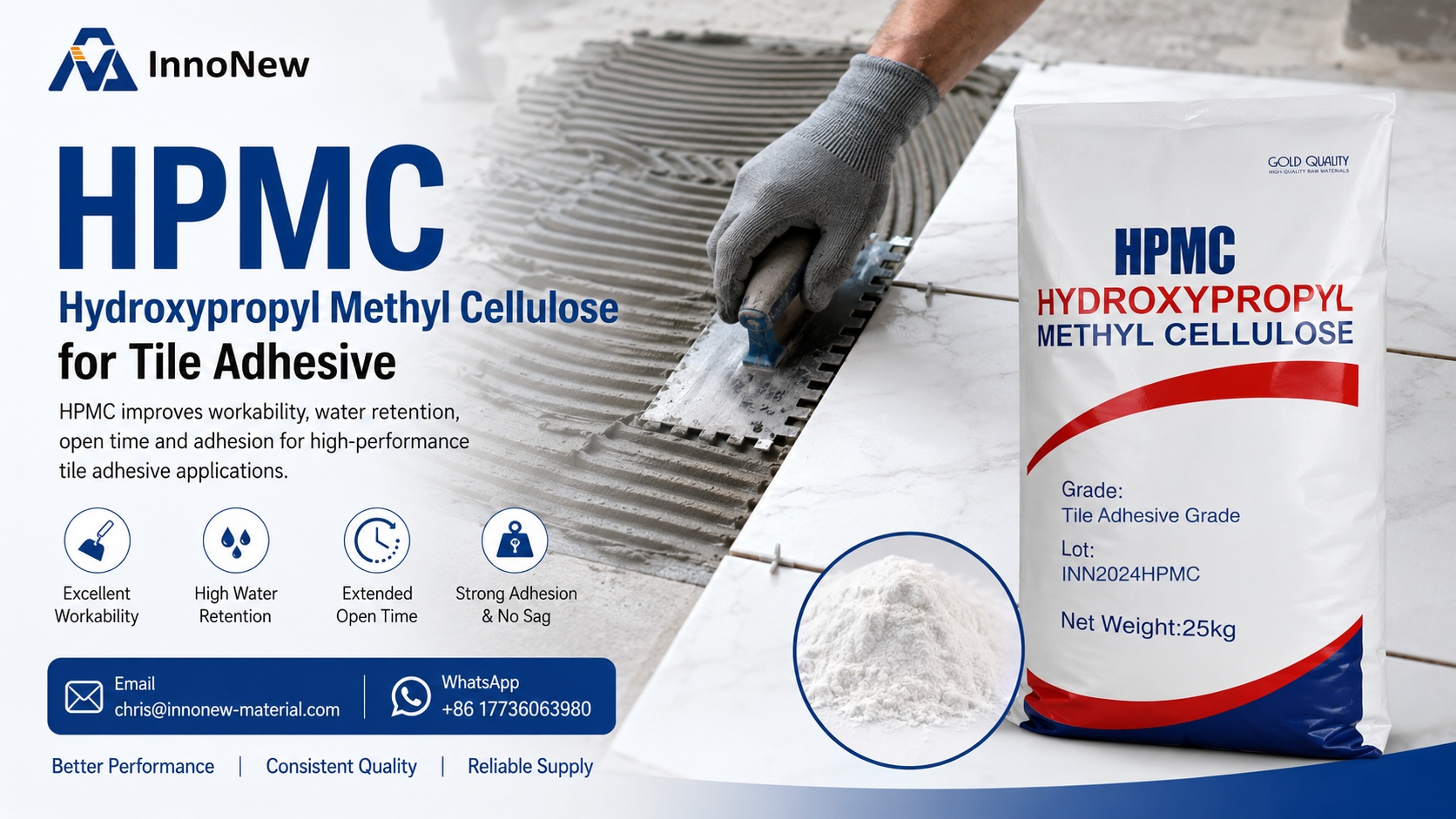
7. HPMC – Rheology and Water Retention in Dry-Mix Systems
Hydroxypropyl Methyl Cellulose (HPMC) is widely used in dry-mix mortar systems rather than concrete, but is part of integrated construction chemical systems.
Technical Functions:
- Water retention control
- Improved open time for tile adhesives
- Enhanced workability and sag resistance
- Stabilization of cementitious systems
Applications:
- Tile adhesive (C1 / C2 systems)
- Wall putty
- Skim coat and repair mortar
8. RDP (Redispersible Polymer Powder) – Adhesion and Flexibility
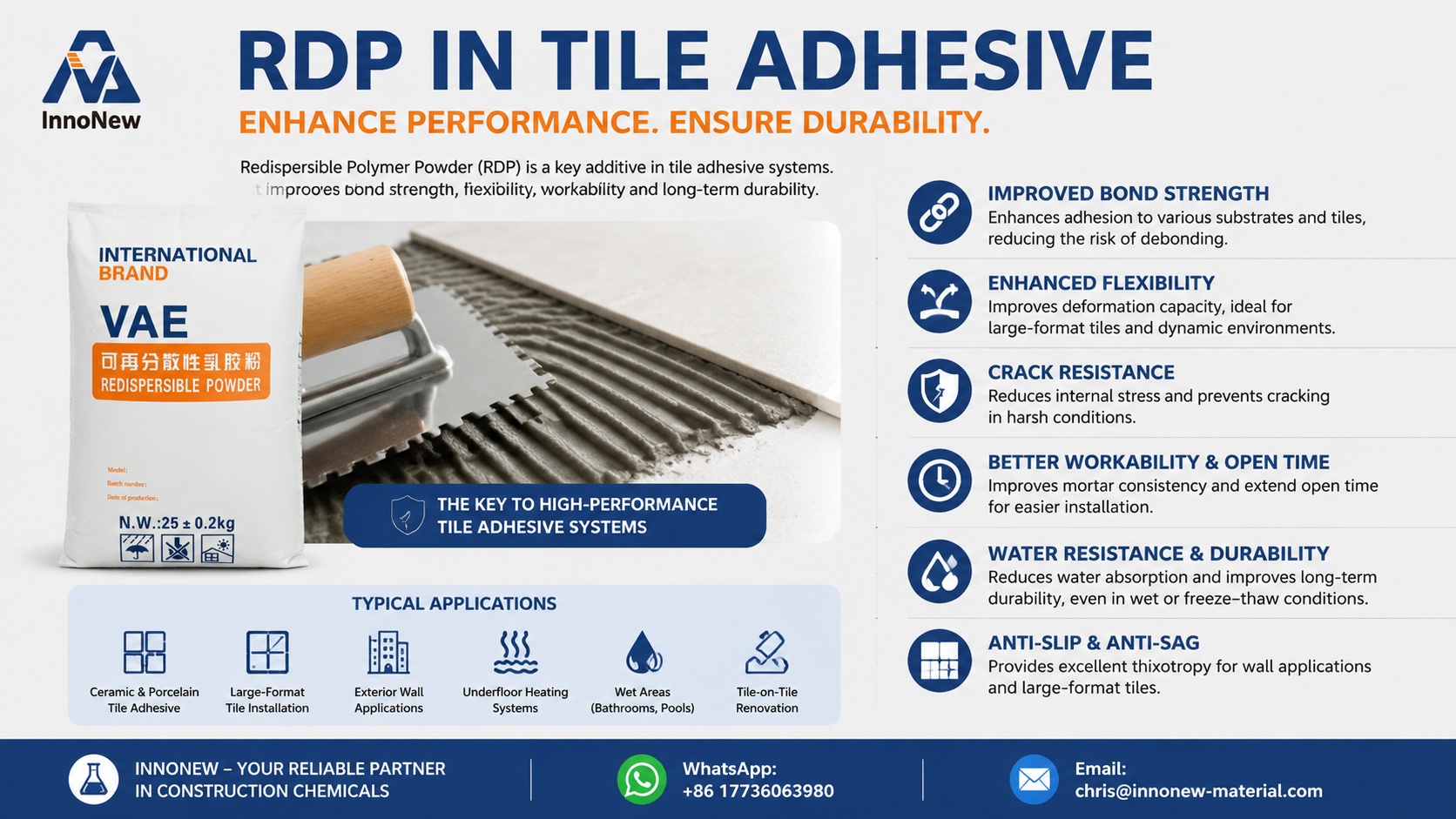
RDP is a polymer binder used to enhance mechanical performance in cement-based dry mortars.
Functional Role:
- Improves adhesion to substrates
- Enhances flexibility and deformation resistance
- Reduces brittleness in hardened mortar
- Increases bonding strength in tile systems
Application Systems:
- Tile adhesive systems
- EIFS / insulation systems
- Repair mortars
- Waterproof mortar systems
9. Integrated Application Systems in Malaysia
Modern construction projects in Malaysia require integrated performance systems across different applications:
9.1 Ready-Mix Concrete System
- PCE for flow and water reduction
- Retarder for workability control
- Defoamer for surface quality
Used in:
- High-rise buildings in Kuala Lumpur
- Infrastructure pumping systems
- Long-distance transport concrete
9.2 Precast Concrete System
- PCE for early strength optimization
- PP fiber for crack resistance
- Defoamer for surface finish quality
Used in:
- PHC pile production
- Tunnel segments
- Prefabricated wall panels
9.3 Dry-Mix Mortar System
- HPMC for water retention
- RDP for adhesion and flexibility
Used in:
- Tile adhesive systems
- Wall finishing materials
- Repair mortars
10. System Advantages for Malaysia Market
A complete admixture system provides significant advantages for Malaysian concrete producers:
- Stable performance under tropical climate conditions
- Reduced material variability impact
- Improved pumpability for high-rise construction
- Enhanced durability and crack resistance
- Optimized cement efficiency and cost control
- Better surface quality for precast products
Instead of single-product optimization, system-based design ensures consistent engineering performance across multiple applications.
11. Technical Support Capability
To ensure optimal performance in real construction conditions, technical support typically includes:
- Concrete mix design optimization
- Trial batching support
- Dosage adjustment for local materials
- Compatibility testing with cement and aggregates
- Performance troubleshooting for slump loss or strength variation
12. FAQ
Q1: What is the best admixture for hot weather concrete in Malaysia?
PCE-based superplasticizers combined with retarders provide the best performance under high temperature conditions.
Q2: How to control slump loss in ready-mix concrete?
Use PCE with optimized molecular structure designed for slump retention.
Q3: Why is PP fiber important in concrete?
It reduces shrinkage cracking caused by rapid surface drying in tropical climates.
Q4: What is the role of RDP in construction materials?
It improves adhesion, flexibility, and durability in tile adhesive and repair mortars.
Q5: Can admixtures improve pumping performance?
Yes, PCE significantly reduces pumping resistance and improves flow stability.