Hydroxypropyl Methyl Cellulose for Tile Adhesive & Dry Mix Mortar
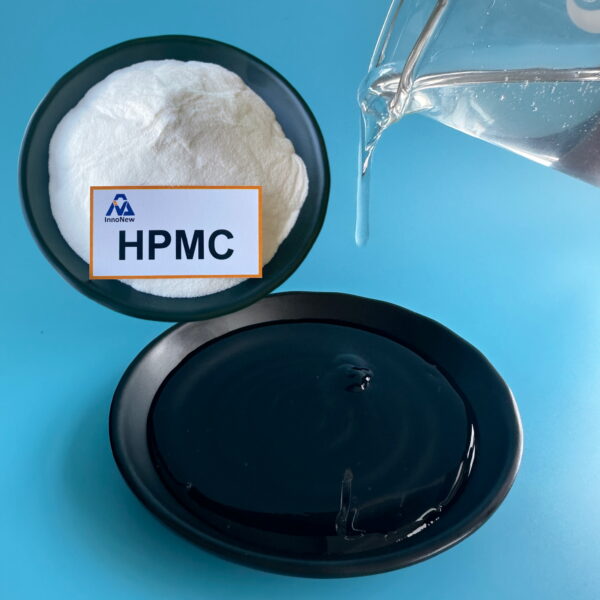
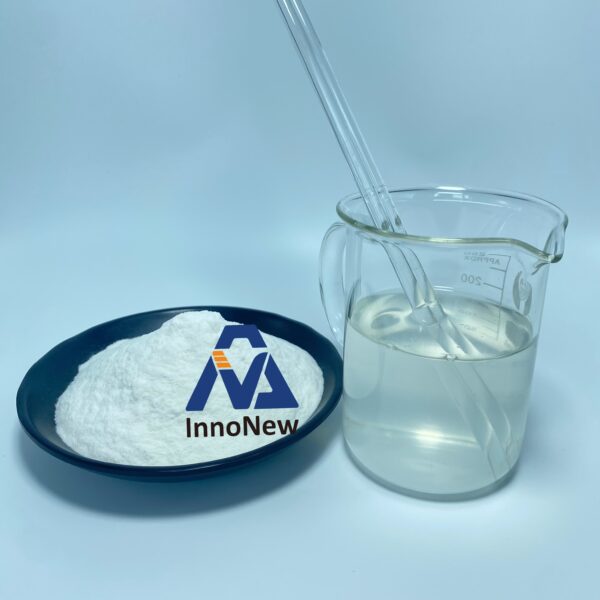
Hydroxypropyl Methyl Cellulose (HPMC) is a high-performance non-ionic cellulose ether widely used in dry mix mortar and cement-based construction materials. In modern building systems, HPMC functions as a water retention agent, rheology modifier, thickener, and workability enhancer, playing a critical role in mortar consistency, cement hydration stability, and construction performance.
At InnoNew, our construction-grade HPMC is specially engineered for tile adhesive, wall putty, skim coat, gypsum plaster, EIFS, self-leveling mortar, and other drymix systems requiring stable water retention, excellent open time, and optimized application behavior.
Designed for demanding construction environments, our HPMC solutions provide reliable performance under both normal and tropical climate conditions.
Why HPMC Is Essential in Dry Mix Mortar Systems
In cementitious systems, proper water management directly affects hydration efficiency, workability, bonding strength, and final mechanical performance.
Hydroxypropyl Methyl Cellulose helps regulate water migration within mortar formulations, allowing cement particles to hydrate more efficiently while improving overall rheological stability.
This results in:
- Better mortar consistency
- Improved open time
- Enhanced workability
- Stable anti-sagging performance
- Improved adhesion strength
- Reduced cracking risk
- Better application efficiency
These properties make HPMC one of the most important additives in modern dry mix mortar technology.
Key Functions of HPMC in Construction Materials
Water Retention Control
One of the primary functions of HPMC is improving water retention within cement-based systems.
Effective water retention helps:
- Prevent premature drying
- Improve cement hydration
- Extend workable time
- Reduce shrinkage cracking
- Improve bonding performance
This is especially important in hot-weather construction and highly absorbent substrates.
Open Time Optimization
HPMC significantly improves tile adhesive open time by slowing water evaporation and maintaining mortar hydration stability.
Extended open time helps:
- Improve installation flexibility
- Increase worker efficiency
- Reduce tile adjustment difficulty
- Improve bonding reliability
This is particularly important for large-format porcelain tile installation.
Rheology & Workability Enhancement
HPMC improves mortar rheology and application consistency.
Benefits include:
- Smooth troweling
- Better spreadability
- Improved application feel
- Stable mortar consistency
- Enhanced sag resistance
Its rheological behavior helps create a balance between workability and structural stability.
Anti-Sagging Performance
In vertical applications, HPMC helps improve anti-slip and anti-sagging behavior.
This allows:
- Better tile positioning
- Reduced tile slipping
- More stable wall application
- Improved construction precision
Recommended Applications
Tile Adhesive
HPMC is widely used in:
- C1 tile adhesive
- C2 tile adhesive
- Flexible tile adhesive
- Large-format tile systems
- Porcelain tile adhesive
Performance Benefits
- Extended open time
- Improved water retention
- Better anti-slip behavior
- Stable workability
- Enhanced adhesion performance
Wall Putty & Skim Coat
HPMC improves:
- Smoothness
- Spreadability
- Water retention
- Crack resistance
- Surface finishing quality
Gypsum Plaster
In gypsum systems, HPMC helps regulate water retention and improve application consistency.
Advantages include:
- Better workability
- Stable setting behavior
- Improved surface quality
- Reduced cracking risk
Self-Leveling Mortar
HPMC contributes to:
- Rheology control
- Water management
- Flow stability
- Segregation resistance
Synergy with RDP & HPS Systems
Modern dry mix mortar systems rely on balanced interaction between multiple additives.
Our HPMC products are compatible with:
Functional Synergy
| Additive | Main Function |
|---|---|
| HPMC | Water retention & rheology |
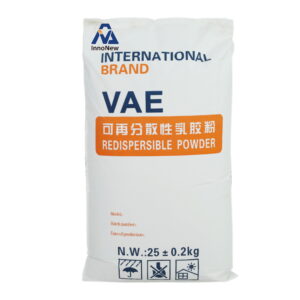
| RDP | Adhesion & flexibility |
| HPS | Anti-sagging & structural build-up |
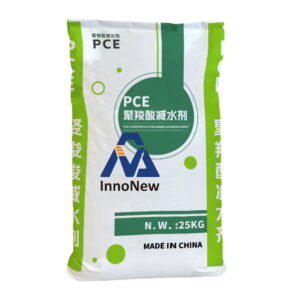
| PCE | Flowability & water reduction |
This synergistic approach helps optimize overall mortar system performance.
HPMC Specification
| Item | N50 | N100 | N150 | N200 |
|---|---|---|---|---|
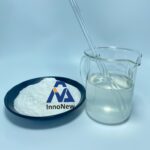
| Appearance | White Powder | White Powder | White Powder | White Powder |
| Methoxy Content (%) | 19–30 | 19–30 | 19–30 | 19–30 |
| Hydroxypropyl Content (%) | 4–12 | 4–12 | 4–12 | 4–12 |
| Viscosity (mPa·s, 2%) | 50,000 | 100,000 | 150,000 | 200,000 |
| Moisture (%) | ≤5 | ≤5 | ≤5 | ≤5 |
Packaging & Storage
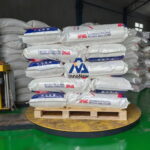
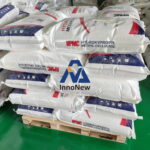
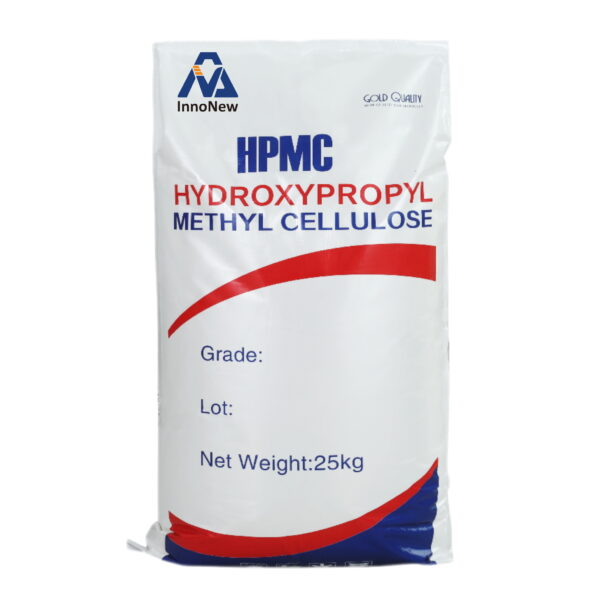
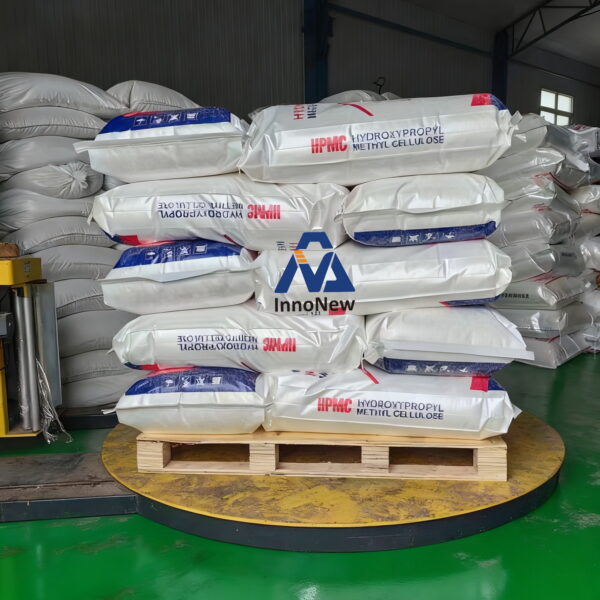
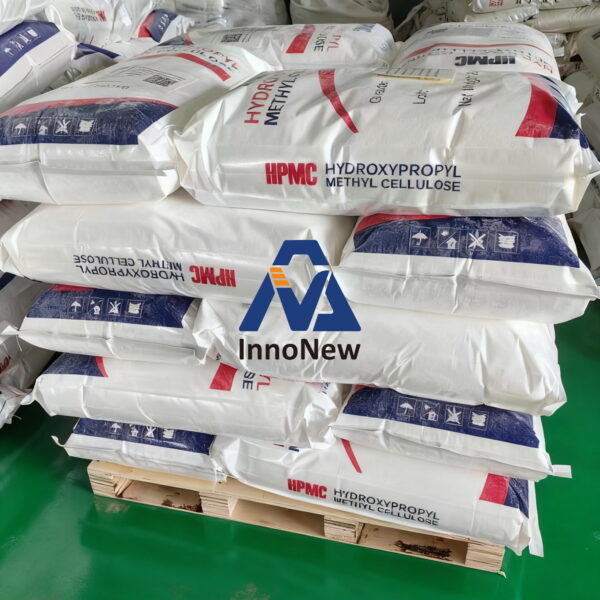
- 25 kg kraft paper bag with PE inner liner
- Store in cool and dry conditions
- Protect from moisture exposure
- Shelf life: 12 months under sealed storage
Why Choose InnoNew HPMC
InnoNew specializes in high-performance construction chemical additives for modern dry mix mortar systems.
Our advantages include:
- Stable viscosity control
- Customized grades for different mortar systems
- Strong compatibility with RDP and HPS
- Excellent performance in tropical climates
- Professional formulation support
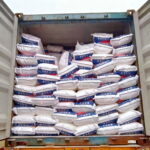
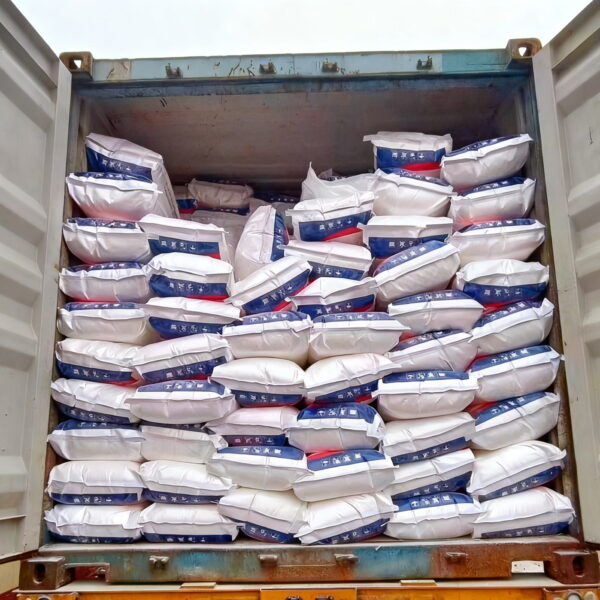
- Reliable export supply for global markets
We focus on helping dry mix mortar manufacturers achieve more stable construction performance, better application consistency, and optimized formulation efficiency.
FAQ
What is the function of HPMC in tile adhesive?
HPMC improves water retention, open time, workability, and anti-sagging performance in tile adhesive systems.
How does HPMC improve cement hydration?
By controlling water migration within the mortar, HPMC helps maintain sufficient moisture for more complete cement hydration.
What viscosity grade is suitable for tile adhesive?
Medium viscosity grade (75,000-100,000cps) are commonly used depending on formulation requirements, open time targets, and application conditions.
Can HPMC be used together with RDP?
Yes. HPMC and RDP are commonly used together in dry mix mortar formulations to balance water retention, adhesion, and flexibility.
Is HPMC suitable for tropical climate applications?
Yes. Properly formulated HPMC systems can maintain stable water retention and workability under high-temperature and high-humidity conditions.