
Concrete Mold Release Agent in Indonesia
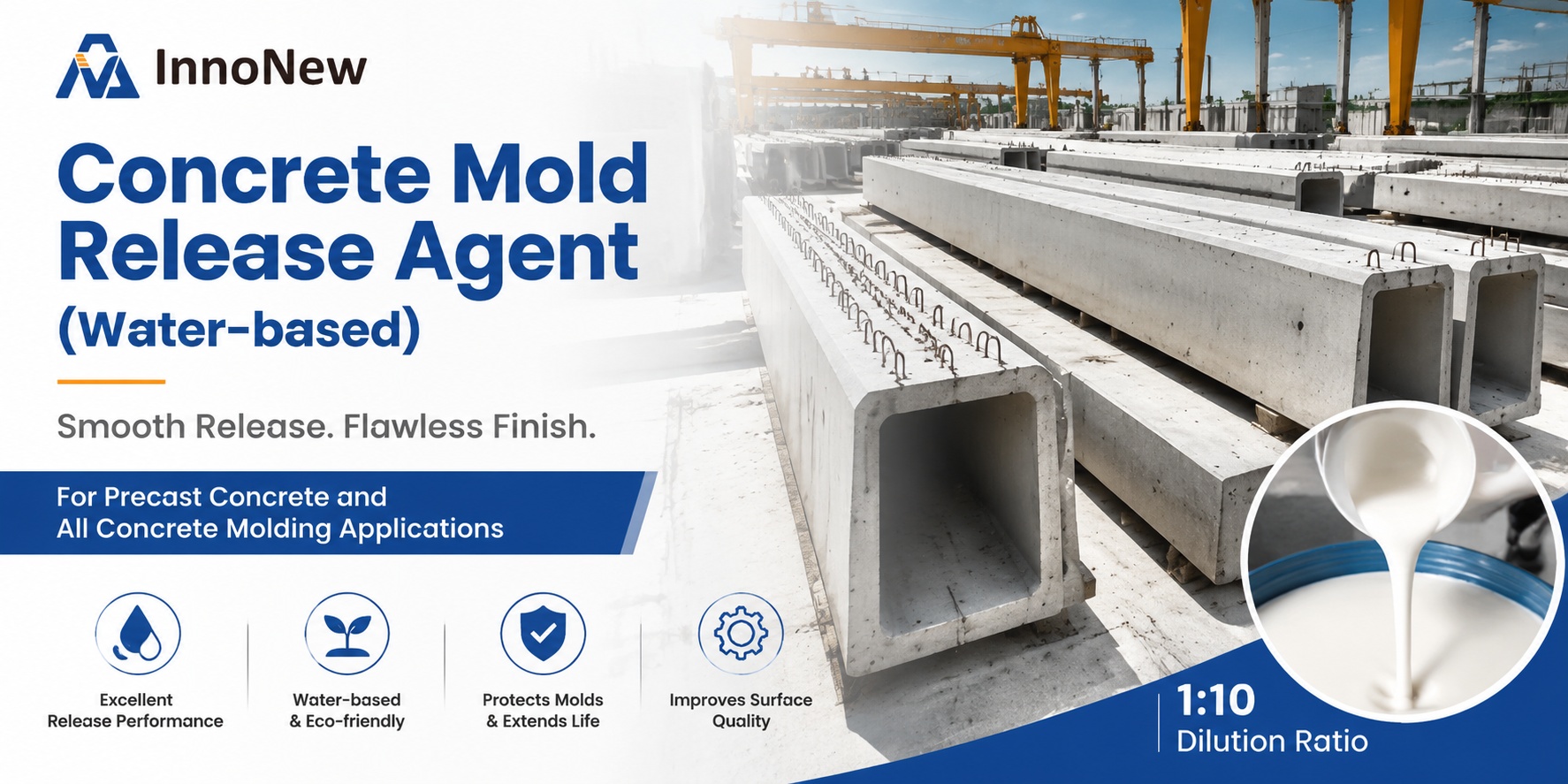
High-Performance Solution for Precast & Construction Industry in Southeast Asia
1. Introduction: Rapid Growth of Indonesia Construction & Precast Industry
Indonesia is currently one of the fastest-growing construction markets in Southeast Asia, driven by:
- Infrastructure expansion (roads, bridges, ports)
- Rapid urban development (Jakarta, Surabaya, Bandung)
- Industrial park construction (Batam, Kalimantan, Java Island)
- Housing demand in suburban areas
In this environment, precast concrete technology (Precast Concrete System) is increasingly replacing traditional cast-in-place methods due to its:
- Higher production efficiency
- Better quality control
- Lower labor dependency
However, a key production bottleneck remains:
“Concrete sticking to molds (mold adhesion) and inconsistent surface finish.”
This is where Concrete Mold Release Agent (Formwork Release Agent) becomes a critical industrial material.
2. What is Concrete Mold Release Agent?
Concrete Mold Release Agent is a chemical or oil-based formulation applied to formwork surfaces to:
- Prevent concrete adhesion to molds
- Improve demolding efficiency
- Protect steel or wooden formwork
- Ensure smooth and defect-free concrete surface
In Indonesian industrial usage, it is commonly called:
- “Agen pelepas cetakan beton”
- “Minyak cetakan beton”
3. Types of Release Agents Used in Indonesia & Southeast Asia
3.1 Oil-Based Release Agent
- Strong separation performance
- Suitable for heavy precast components
- Widely used in Java Island precast factories
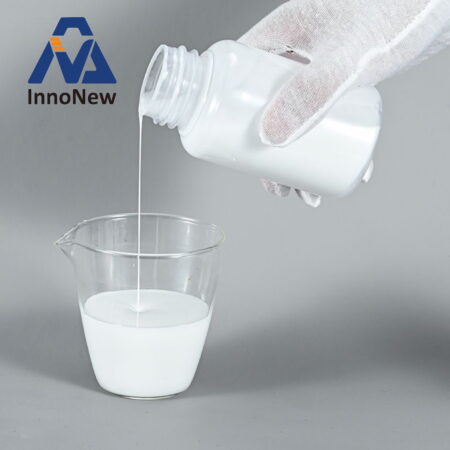
3.2 Water-Based Release Agent
- Environmentally friendly
- Lower odor and VOC
- Preferred in urban construction (Jakarta, Bali projects)
4. Key Challenges in Indonesia Construction Environment
Indonesia and Southeast Asia share similar tropical climate conditions:
1. High temperature (30–38°C)
→ Rapid evaporation of water-based agents
2. High humidity (>80%)
→ Mold corrosion and inconsistent release performance
3. Cost-sensitive precast industry
→ Low-margin competition among factories
4. Manual application inconsistency
→ Uneven coating leads to surface defects
5. Field Case Studies in Indonesia & Southeast Asia
Case 1: Precast Factory in Surabaya (East Java)
Problem:
- Steel molds had severe concrete sticking
- Surface pitting increased rejection rate by 12%
Solution:
- Switched to high-performance oil-based release agent
- Optimized with PCE-based concrete mix
Result:
- Mold cleaning time reduced by 30%
- Surface defect rate reduced below 3%
Case 2: Infrastructure Project in Jakarta
Problem:
- Water-based release agent evaporated too quickly
- Inconsistent surface finishing on bridge components
Solution:
- Added polymer-modified release formulation
- Integrated HPMC-based rheology control in mix design
Result:
- Improved surface smoothness consistency
- Increased production cycle efficiency by 15%
Case 3: Malaysia Precast Housing Project
Problem:
- Air bubbles and pinholes on concrete surface
Solution:
- Introduced Powder Defoamer in dry mix system
- Combined with optimized release agent film
Result:
- Significant reduction in surface voids
- Improved architectural concrete quality
6. Technical Synergy: PCE + HPMC + Powder Defoamer System
Modern precast systems in Southeast Asia increasingly rely on multi-additive synergy engineering:
6.1 PCE (Polycarboxylate Ether Superplasticizer)
- Improves concrete flowability
- Reduces water usage
- Enhances pumpability in precast plants
Key benefit:
Better flow = more uniform mold filling = fewer surface defects
6.2 HPMC (Hydroxypropyl Methylcellulose)
- Controls water retention
- Improves workability in hot climates
- Stabilizes mortar consistency
Critical in Indonesia:
Prevents rapid slump loss under high temperature conditions
6.3 Powder Defoamer
- Eliminates trapped air bubbles
- Reduces pinholes and surface voids
- Improves aesthetic concrete finish
System Synergy Effect:
When combined with a high-performance release agent:
“Concrete surface quality improves significantly while demolding resistance decreases.”
This is especially important in:
- Precast wall panels
- Decorative concrete
- Infrastructure structural components
7. Why Mold Release Agent Performance Matters in Indonesia
A high-quality release agent directly affects:
- Production cycle speed
- Mold lifespan (steel/wood formwork)
- Labor cost (cleaning reduction)
- Final product acceptance rate
In competitive markets like Indonesia:
Even a 5% efficiency improvement can significantly impact factory profitability.
8. Selection Guide for Indonesia & Southeast Asia
✔ Steel Mold (Precast Factory)
→ Oil-based release agent recommended
✔ Wooden Formwork
→ Emulsion or water-based system
✔ High-end Architectural Concrete
→ Low residue + ultra-thin film release agent
✔ Hot Climate Projects
→ Heat-stable + anti-evaporation formulation
9. Regional Market Insight (Indonesia + SEA)
Across Southeast Asia:
- Indonesia: largest demand for precast release agents
- Vietnam: fast-growing infrastructure adoption
- Thailand: high focus on surface aesthetics
- Malaysia: strict quality control for housing projects
Common trend:
Shift from traditional diesel-based release oil → eco-friendly engineered release systems
FAQ
Q1: What is the best concrete mold release agent for Indonesia?
Oil-based or polymer-modified release agents are most suitable for Indonesia due to high temperature and humidity conditions. They provide stable demolding performance and reduce surface defects.
Q2: Does mold release agent affect concrete surface quality?
Yes. Low-quality release agents can cause stains, pinholes, or uneven surfaces. High-quality formulations ensure smooth, clean, and consistent precast concrete finishes.
Q3: Water-based vs oil-based release agent, which is better in Southeast Asia?
Oil-based types perform better in hot and humid climates like Indonesia and Vietnam. Water-based types are more eco-friendly but require controlled application conditions.
Q4: How do PCE, HPMC, and defoamer improve concrete performance with release agent?
PCE improves flowability, HPMC stabilizes water retention, and powder defoamer reduces air bubbles. Together with release agent, they significantly improve surface quality and demolding efficiency.
Q5: Why are precast factories in Indonesia using advanced release agent systems?
To reduce mold sticking, improve production speed, and lower rejection rates. Advanced systems are more stable under tropical climate and compatible with modern concrete admixtures.
10. Conclusion & Technical Recommendation
In Indonesia’s rapidly growing construction industry, concrete mold release agents are no longer just auxiliary materials—they are core production efficiency enablers.
When combined with modern admixture systems such as:
- PCE Superplasticizer
- HPMC Rheology Modifier
- Powder Defoamer
The result is:
- Higher precast efficiency
- Better surface quality
- Lower operational cost
- More stable production in tropical climate
Call to Action
If you are a precast factory, distributor, or construction material supplier in Indonesia or Southeast Asia:
We can provide customized formulation support for release agents, PCE, HPMC, and defoamer systems based on your local raw materials and climate conditions.