
Polypropylene Fiber in Indonesia Construction Industry: From Basic Crack Control to Advanced Concrete Engineering
Indonesia is entering a new phase of infrastructure modernization driven by:
- Urban expansion
- Industrial development
- Coastal infrastructure projects
- Precast industrialization
- High-rise construction
- Transportation megaprojects
- Mass housing demand
As construction standards continue to evolve, traditional concrete systems are increasingly challenged by:
- Plastic shrinkage cracking
- Thermal cracking
- Durability degradation
- Poor surface integrity
- Moisture penetration
- Reduced service life under tropical exposure conditions
Conventional reinforcement systems such as welded steel mesh primarily address macrostructural tensile loads but often fail to effectively control microcrack formation during the early hydration stage.
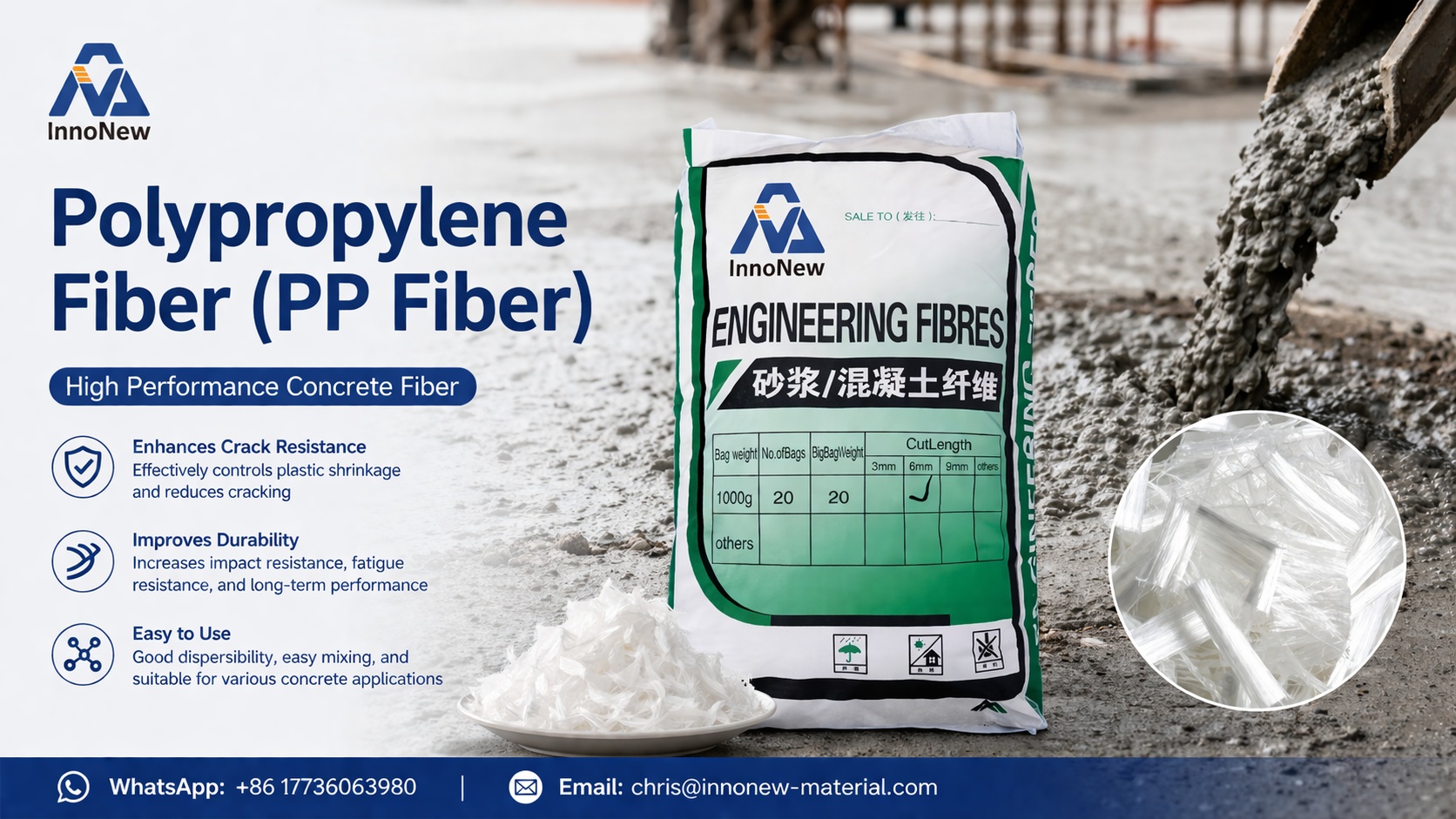
This is where Polypropylene Fiber (PP Fiber) becomes a critical modern concrete reinforcement technology.
Unlike traditional reinforcement, PP Fiber creates a multidirectional three-dimensional micro-reinforcement network throughout the cementitious matrix, significantly improving crack resistance, energy absorption capacity, dimensional stability, and long-term durability.
In Indonesia’s tropical climate conditions — characterized by high humidity, rapid evaporation, elevated temperatures, and aggressive coastal exposure — PP Fiber has become increasingly important in advanced concrete formulation design.
Why Indonesia Construction Projects Require PP Fiber Technology
1. Tropical Climate Accelerates Plastic Shrinkage Cracking
Indonesia’s climate creates ideal conditions for early-age concrete cracking due to:
- High solar radiation
- Elevated concrete surface temperatures
- Rapid surface evaporation
- Strong wind exposure in coastal regions
- Uneven curing conditions
When evaporation exceeds bleeding rate during the first few hours after placement, capillary tension develops within the fresh cement paste, causing plastic shrinkage cracks.
These cracks may initially appear microscopic but eventually become pathways for:
- Chloride ingress
- Sulfate attack
- Carbonation
- Water penetration
- Reinforcement corrosion
PP Fiber effectively reduces crack propagation by distributing tensile stress throughout the cement matrix during the critical plastic stage.
2. Indonesia Infrastructure Requires Longer Service Life
Modern Indonesian infrastructure projects increasingly prioritize:
- Life cycle cost reduction
- Reduced maintenance
- Higher durability standards
- Sustainable construction systems
Fiber-modified concrete improves:
| Performance Area | Improvement Mechanism |
|---|---|
| Crack Resistance | Fiber bridging effect |
| Durability | Reduced permeability |
| Surface Stability | Improved cohesion |
| Impact Resistance | Energy dissipation |
| Abrasion Resistance | Fiber reinforcement network |
| Freeze-Thaw Stability | Reduced microcrack propagation |
| Water Resistance | Capillary interruption |
For coastal cities such as Jakarta, Surabaya, Semarang, and Makassar, permeability reduction is especially important due to marine chloride exposure.
Engineering Mechanism of PP Fiber in Cementitious Systems
Micro-Reinforcement Theory
PP Fiber works through a distributed reinforcement mechanism rather than localized reinforcement.
When concrete begins to shrink during hydration, tensile stress develops internally. Since cementitious materials possess low tensile capacity, microcracks form rapidly.
The introduction of thousands of uniformly dispersed polypropylene fibers creates:
- Crack arrest points
- Stress redistribution zones
- Energy absorption bridges
- Multi-directional reinforcement pathways
This significantly delays crack initiation and reduces crack width development.
Fiber Dispersion and Crack Bridging
A properly engineered PP Fiber system must achieve:
Uniform Dispersion
Poor dispersion causes fiber balling and weak zones.
Our PP Fiber is surface-treated for optimized hydrophobic balance and dispersion behavior, ensuring:
- Rapid wetting
- Uniform distribution
- Stable workability
- Minimal clumping
Crack Bridging Effect
When microcracks begin to form, fibers bridge across crack surfaces, reducing crack opening displacement.
This mechanism:
- Reduces crack width
- Delays crack propagation
- Improves post-crack toughness
- Enhances structural integrity
PP Fiber Performance in Indonesia Concrete Applications
1. Ready Mix Concrete
Indonesia’s ready mix industry faces major challenges involving transportation time, slump stability, and temperature-related cracking.
PP Fiber helps improve:
- Pumpability stability
- Segregation resistance
- Plastic shrinkage control
- Surface integrity
- Early-stage crack resistance
Especially useful in:
- High-rise projects
- Urban concrete pumping
- Elevated slab systems
- Infrastructure casting
2. Precast Concrete Industry
Indonesia’s precast market is rapidly expanding due to industrialized construction demand.
PP Fiber enhances:
- Demolding stability
- Corner protection
- Handling resistance
- Transportation durability
- Surface finish quality
Applications:
- Hollow core slabs
- Concrete piles
- Pipes
- Wall panels
- Tunnel segments
- Box culverts
3. Dry Mix Mortar Industry
Indonesia’s dry mix mortar industry increasingly requires high-performance anti-cracking systems.
PP Fiber improves:
- Mortar cohesion
- Water retention stability
- Anti-sagging performance
- Shrinkage resistance
- Application smoothness
Widely used in:
- Tile adhesive
- Wall putty
- Self-leveling mortar
- Repair mortar
- Waterproof mortar
4. Industrial Flooring Systems
Industrial flooring experiences:
- Dynamic loading
- Abrasion
- Thermal stress
- Shrinkage stress
PP Fiber improves:
- Impact resistance
- Abrasion resistance
- Surface durability
- Crack control
- Fatigue performance
Especially valuable for:
- Warehouses
- Logistics centers
- Manufacturing plants
- Port facilities
5. Shotcrete & Tunnel Engineering
Indonesia continues expanding tunnel and underground infrastructure systems.
Micro polypropylene fibers improve:
- Cohesion during spraying
- Rebound reduction
- Fire resistance
- Spalling resistance
Under high-temperature conditions, PP microfibers melt and create vapor release channels, reducing explosive spalling risk during fire exposure.
Monofilament vs Fibrillated PP Fiber
| Property | Monofilament Fiber | Fibrillated Fiber |
|---|---|---|
| Primary Function | Plastic shrinkage control | Multi-directional reinforcement |
| Dispersion | Excellent | Good |
| Surface Area | Moderate | High |
| Toughness Improvement | Moderate | High |
| Mortar Compatibility | Excellent | Good |
| Industrial Flooring | Good | Excellent |
| Shotcrete | Moderate | Excellent |
Compatibility with Modern Admixture Systems
Our PP Fiber demonstrates excellent compatibility with:
- Polycarboxylate Superplasticizer (PCE)
- SNF-based admixtures
- Retarders
- Accelerators
- Air entraining agents
- HPMC / MHEC systems
- Silica fume
- Fly ash
- GGBFS systems
This is critical for advanced Indonesia concrete formulations where multiple admixture systems are combined.
PP Fiber and Concrete Rheology Optimization
One of the overlooked aspects of fiber technology is rheological interaction.
Improper fiber geometry can negatively affect:
- Slump flow
- Pumpability
- Air entrainment
- Viscosity balance
Our PP Fiber is engineered with optimized:
- Aspect ratio
- Surface morphology
- Tensile properties
- Dispersion behavior
This ensures:
- Stable rheology
- Lower mixing energy demand
- Better workability retention
- Improved placement efficiency
Recommended Dosage Optimization
| Application | Typical Dosage |
|---|---|
| Dry Mix Mortar | 0.6–1.0 kg/m³ |
| Standard Concrete | 0.9–1.5 kg/m³ |
| Industrial Flooring | 1.0–2.5 kg/m³ |
| Shotcrete | 1.5–3.0 kg/m³ |
| High Crack Resistance Systems | 2.0–3.5 kg/m³ |
Final dosage should be optimized through laboratory trial mixes according to:
- Cement chemistry
- Aggregate grading
- Water-cement ratio
- Admixture system
- Ambient temperature
- Performance targets
Why Low-Quality PP Fiber Often Fails in Tropical Construction
Many low-cost fibers fail because of:
- Inconsistent fiber length
- Poor tensile strength
- Weak dispersion
- Recycled polymer contamination
- Fiber agglomeration
- Poor alkali resistance
This leads to:
- Reduced crack control
- Workability problems
- Surface defects
- Weak durability performance
Our PP Fiber uses high-purity virgin polypropylene resin with strict manufacturing control to ensure stable engineering performance.
Indonesia Construction Trends Driving PP Fiber Demand
1. Precast Industrialization
Indonesia is rapidly adopting prefabricated building systems.
2. Infrastructure Expansion
Government megaprojects require higher durability materials.
3. Green Construction
Longer service life reduces lifecycle carbon footprint.
4. Reduced Steel Dependency
Synthetic fiber systems help optimize reinforcement efficiency.
5. Higher Durability Standards
Modern contractors increasingly focus on total lifecycle performance rather than initial construction cost alone.
Why Choose Our PP Fiber for Indonesia Market
Engineered for Southeast Asia Climate
Optimized for high humidity and high-temperature construction environments.
Stable Production Quality
Strict quality control ensures:
- Uniform fiber length
- Stable tensile strength
- Excellent dispersion
- Consistent performance
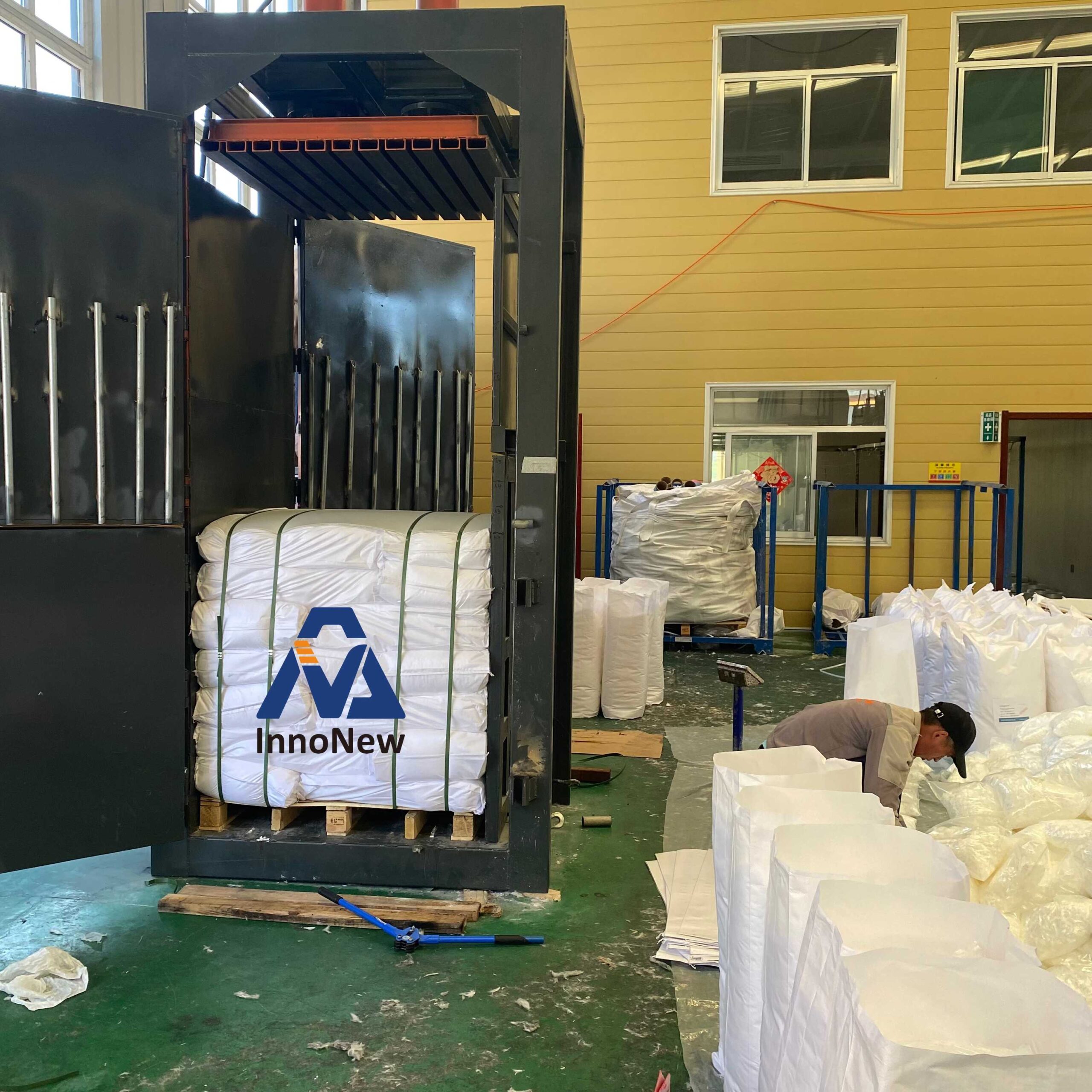
Advanced Export Packaging
Available in:
- Water-soluble bags
- Small PE bags
- Jumbo bags
- OEM packaging
Optimized for container transportation efficiency.
Technical Support
We provide:
- Mix design assistance
- Dosage optimization
- Application guidance
- Technical documentation
- OEM branding support
Frequently Asked Questions (FAQ)
What is the main function of PP Fiber in concrete?
PP Fiber primarily controls plastic shrinkage cracking, improves durability, and enhances concrete toughness.
Is PP Fiber suitable for Indonesia tropical climate?
Yes. PP Fiber is highly effective in reducing early-age cracking caused by rapid evaporation and high temperatures.
Can PP Fiber improve waterproofing performance?
Indirectly, yes. By reducing crack formation and permeability pathways, PP Fiber helps improve water resistance.
Does PP Fiber affect concrete slump?
Properly engineered PP Fiber minimizes rheology disruption and maintains workable slump performance.
Is PP Fiber compatible with PCE superplasticizer?
Yes. High-quality PP Fiber is fully compatible with modern PCE admixture systems.