
HEC vs HPMC in Coatings: Complete Selection Guide for Paint Formulators
Selecting the right Cellulose Ether is critical for coating performance and formulation stability.
When comparing HEC vs HPMC in coatings, the decision is not simply about thickening—it directly impacts rheology behavior, application properties, and final film quality.
This guide provides a formulation-driven comparison of hydroxyethyl cellulose vs hydroxypropyl methylcellulose, helping you choose the optimal solution for water-based latex paints and coating systems.
HEC vs HPMC Comparison Table
| Property | HEC (Hydroxyethyl Cellulose) | HPMC (Hydroxypropyl Methylcellulose) |
|---|---|---|
| Ionic Type | Non-ionic | Non-ionic |
| Solubility | Cold water soluble | Cold water dispersible, hot water soluble |
| Thickening Mechanism | Hydration + chain entanglement | Thermal gelation + hydration |
| Rheology Behavior | Excellent shear-thinning | Moderate shear-thinning |
| Flow & Leveling | ⭐ Excellent | Good |
| Sag Resistance | High | Moderate |
| Film Smoothness | Superior | Slightly lower |
| Workability (Brush/Roll) | Very smooth | Slight drag |
| Water Retention | Moderate | Excellent |
| Typical Use | Latex paints | Tile adhesive, mortar |
1. Rheology Behavior
In HEC vs HPMC latex paint applications, HEC provides superior shear-thinning behavior, allowing coatings to:
- Flow easily during application
- Maintain thickness at rest
HPMC, on the other hand, exhibits partial thermal gelation, which is less ideal for smooth paint leveling.
2. Application Performance
- HEC for water-based latex paints
→ smoother brushing, better leveling, less spatter - HPMC in coatings
→ higher water retention, but may reduce flow
Conclusion:
HEC is more suitable for decorative coatings, while HPMC is better applied in dry-mix construction systems.
3. Film Formation & Appearance
HEC enhances:
- Surface smoothness
- Gloss uniformity
HPMC may cause:
- Slight surface drag
- Reduced leveling in high-end coatings
4. Compatibility with Additives
HEC (non-ionic) shows excellent compatibility with:
- Pigments
- Surfactants
- Dispersants
HPMC is more sensitive in complex formulations.
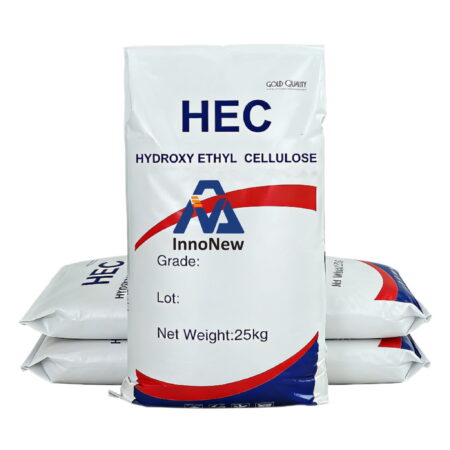
When to Choose HEC
Choose HEC thickener for latex paint if you need:
- Smooth application
- High-end decorative coatings
- Excellent leveling
When to Choose HPMC
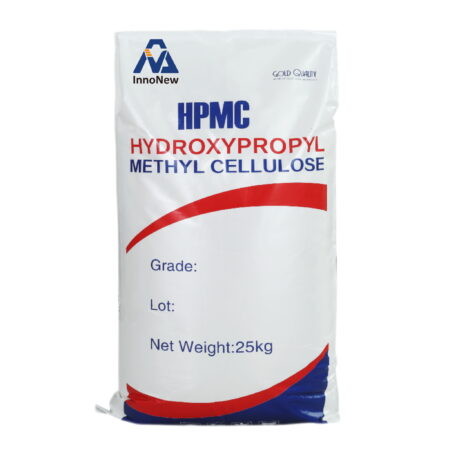
Choose HPMC if your system requires:
- High water retention
- Cement-based compatibility
- Tile adhesive or mortar applications
Can HPMC Replace HEC in Paint?
Technically possible, but not recommended for high-quality coatings.
Reasons:
- Reduced leveling performance
- Less optimal flow behavior
- Lower surface finish quality
For modern water-based coatings, especially latex paints:
👉 HEC is the preferred rheology modifier
👉 HPMC is a functional alternative for construction systems
Understanding the difference between hydroxyethyl cellulose vs hydroxypropyl methylcellulose allows formulators to optimize both performance and cost efficiency.
WHY CHOOSE US
- Professional cellulose ether manufacturer
- Tailored viscosity grades for coatings
- Stable supply for large-scale production
- Technical formulation support
- Competitive factory pricing
FAQ
What is the difference between HEC and HPMC in coatings?
HEC provides better flow and leveling, while HPMC offers higher water retention.
Which is better HEC or HPMC for latex paint?
HEC is generally better due to smoother application and improved finish.
Can HPMC replace HEC in paint?
It can, but performance may decrease in high-quality coatings.
Why use HEC in water-based paint?
HEC improves viscosity control, leveling, and pigment stability.
Need Help Choosing Between HEC and HPMC?
Get expert support for your coating formulations.
👉 Contact us now for:
- Free samples
- Technical guidance
- Customized cellulose ether solutions
Email: chris@innonew-material.com | WhatsApp: +86 17736063980