
PCE Powder vs SNF: Which is Better for Self-Leveling Mortar?
Choosing the right superplasticizer is critical for achieving optimal performance in self-leveling mortar.
Many manufacturers still use traditional SNF (naphthalene-based superplasticizer) due to lower cost — but modern high-performance systems increasingly rely on PCE powder (polycarboxylate superplasticizer).
So which one is actually better?
This guide provides a technical, practical, and cost-based comparison to help you make the right decision.
What is PCE Powder and SNF?
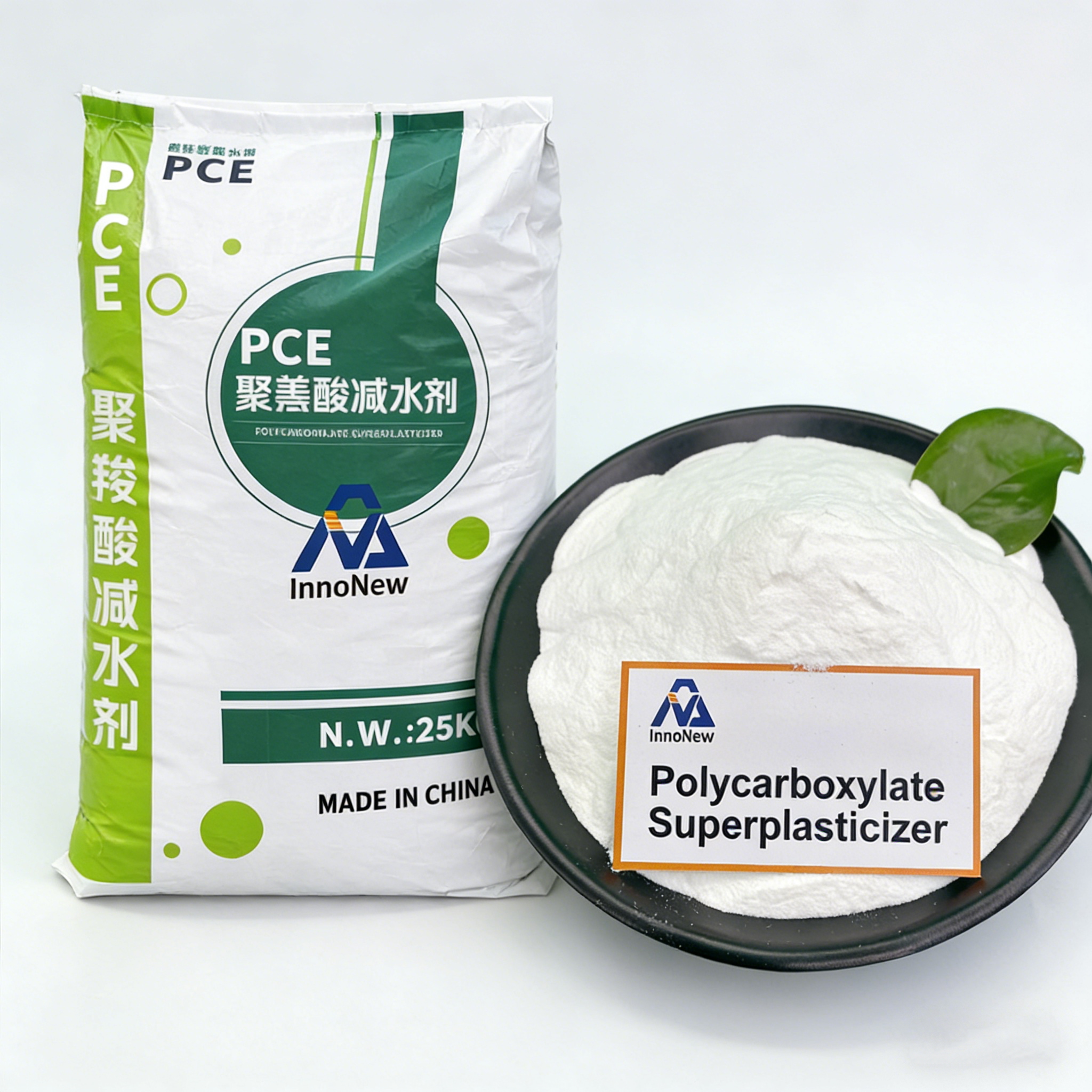
PCE Powder (Polycarboxylate Superplasticizer)
A new-generation high-performance water-reducing admixture with comb-like molecular structure.
Key features:
- High water reduction (>25-40%)
- Excellent flow retention
- Low dosage
- Ideal for dry mix mortar
SNF (Sulfonated Naphthalene Formaldehyde)
A traditional superplasticizer widely used in concrete.
Key features:
- Moderate water reduction (10–15%)
- Low cost
- Poor slump retention
PCE vs SNF: Performance Comparison
| Property | PCE Powder | SNF |
|---|---|---|
| Water Reduction | ⭐⭐⭐⭐⭐ (25–40%) | ⭐⭐ (10–15%) |
| Flowability | Excellent (self-leveling) | Limited |
| Slump Retention | Long-lasting | Rapid loss |
| Dosage | Low (0.1–0.3%) | High (0.5–1%) |
| Strength Development | High | Moderate |
| Compatibility | High | Medium |
👉 Conclusion:
PCE significantly outperforms SNF in all critical performance areas.
Flowability in Self-Leveling Mortar
Why SNF Fails in Self-Leveling Systems
Self-leveling mortar requires:
- High fluidity
- No segregation
- Smooth surface
SNF:
- Cannot maintain flow
- Causes rapid slump loss
- Leads to uneven surface
Why PCE Works Perfectly
PCE powder:
- Provides high dispersion efficiency
- Maintains fluidity over time
- Ensures true self-leveling behavior
👉 This is why PCE is the industry standard.
Cost Comparison
Common Misconception:
“SNF is cheaper, so it saves cost”
Reality:
| Factor | SNF | PCE |
|---|---|---|
| Dosage | High | Low |
| Performance | Low | High |
| Rework Risk | High | Low |
| Final Cost | ❌ Higher | ✅ Lower |
👉 PCE reduces:
- Cement consumption
- Labor cost
- Defect rate
Overall cost saving: 10–20%
Application Scenarios
SNF Suitable For:
- Low-grade concrete
- Non-critical applications
PCE Suitable For:
- Self-leveling mortar
- High-performance dry mix
- Industrial flooring
- Precision surface leveling
Technical Mechanism
PCE Mechanism:
- Steric hindrance effect
- Strong dispersion of cement particles
SNF Mechanism:
- Electrostatic repulsion only
Result: PCE provides longer-lasting and stronger dispersion
When Should You Switch to PCE?
You should upgrade to PCE powder if:
- Your mortar is not flowing
- Surface is not smooth
- Strength is insufficient
- You want to reduce cost
FAQ
1. Is PCE better than SNF for self-leveling mortar?
Yes, PCE provides better flowability, strength, and lower dosage.
2. Why is SNF still used?
Mainly due to lower upfront cost, but performance is limited.
3. Can SNF replace PCE?
No, SNF cannot achieve true self-leveling performance.
4. What is the optimal PCE dosage?
Typically 0.1%–0.3%.
5. Is PCE powder suitable for dry mix mortar?
Yes, it is the preferred choice.
Upgrade Your Mortar Performance with PCE Powder
Looking for a reliable PCE powder supplier?
✔ Stable quality
✔ Low dosage, high efficiency
✔ Technical formulation support
✔ Fast global delivery
📩 Contact us now:
Email: chris@innonew-material.com
WhatsApp: +86 17736063980