
Cellulose Ether HPMC Manufacturer & Supplier
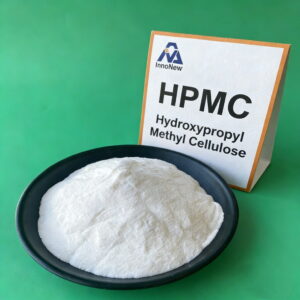
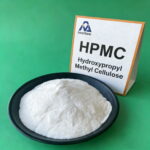
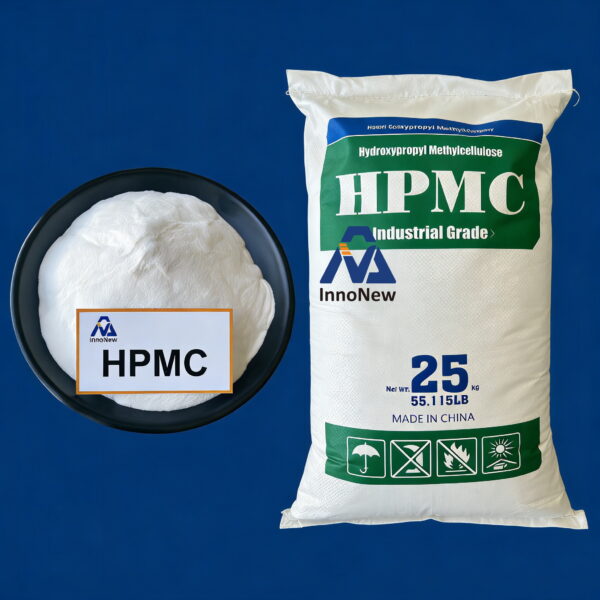
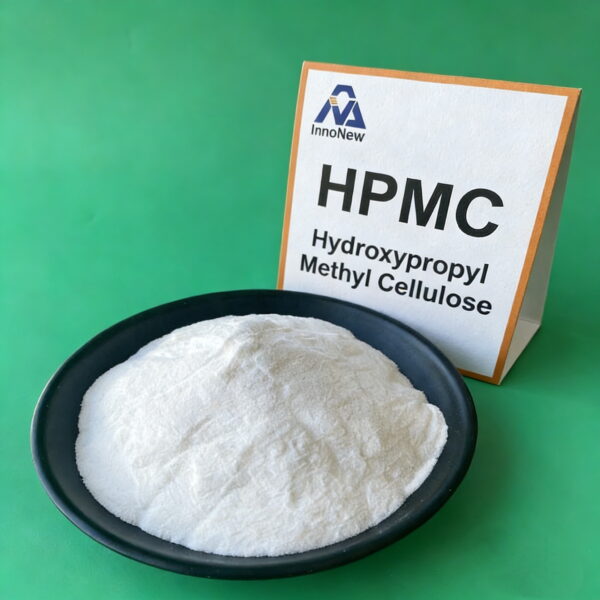
InnoNew Cellulose Ether HPMC (Hydroxypropyl Methyl Cellulose) is a non-ionic cellulose ether derived from the chemical modification of natural cellulose. It is widely used in industries such as construction, pharmaceuticals, food, cosmetics, and coatings, primarily as a thickener, water retention agent, binder, and film-forming agent.
Key Benefits:
– Excellent water retention
– Improved workability
– Anti-sagging performance
– Extended open time
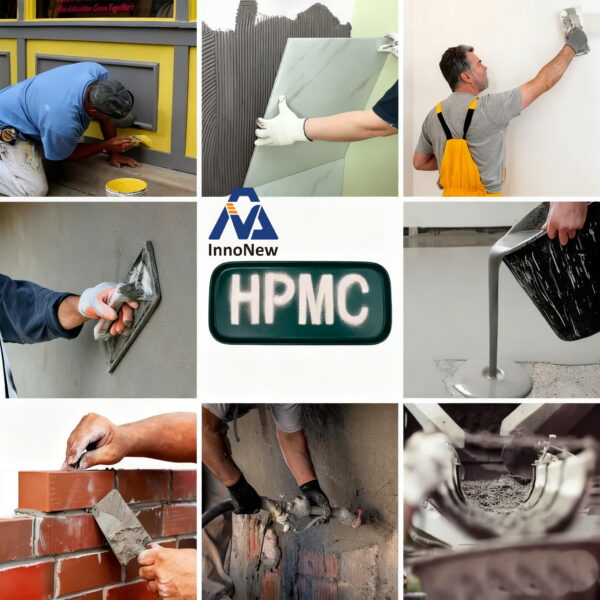
Applications:
– Tile adhesive & grounts
– Wall putty
– Paint & coating
– Cement plaster
– Skim coat
– Detergents & cosmetics
– Self-leveling mortar
Why Choose InnoNew HPMC:
– Stable viscosity
– Consistent quality
– Custom grades available
FAQ:
Q1: What is the difference between HPMC and MHEC?
A: HPMC (Hydroxypropyl Methylcellulose) and MHEC (Methyl Hydroxyethyl Cellulose) are both cellulose ethers used in construction and industrial applications. HPMC offers higher water retention, better workability, and improved adhesion, making it ideal for tile adhesives, cement mortars, and plaster. MHEC generally provides lower viscosity and easier dispersion, suitable for lightweight plasters and interior wall coatings.
Q2: Does your company offer customized HPMC formulations?
A: Yes, we accept customized HPMC orders tailored to your application requirements, including viscosity grade, substitution degree, and particle size. Our technical team can assist in developing HPMC grades optimized for tile adhesives, cement mortars, EIFS, paints, and specialty industrial applications.
Q3: How should HPMC Powder be stored?
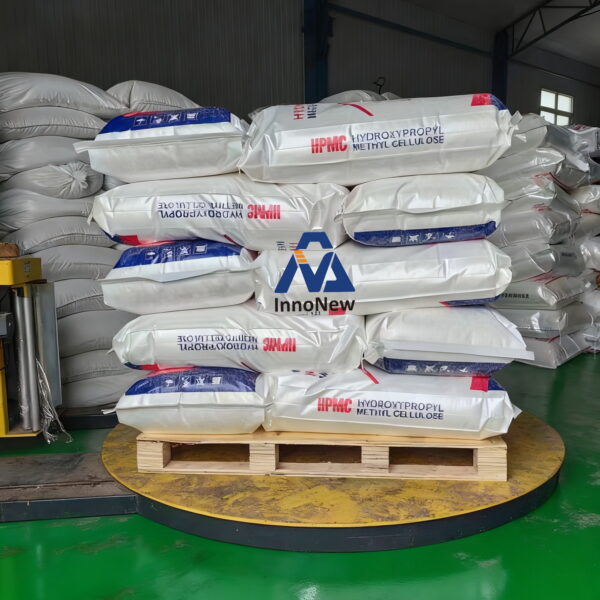
A: HPMC Powder should be stored in a cool, dry, and ventilated environment, away from moisture and direct sunlight. Proper storage preserves its water retention, viscosity, and dispersibility.
Q4: What are the main functions of HPMC in tile adhesive formulations?
A: HPMC Powder enhances workability, water retention, open time, and adhesion in tile adhesives. It ensures smooth application, prevents cracking, reduces shrinkage, and improves bond strength on walls and floors. Using high-quality HPMC results in durable and high-performance ceramic and porcelain tile installations.
Q5: Are you an HPMC factory?
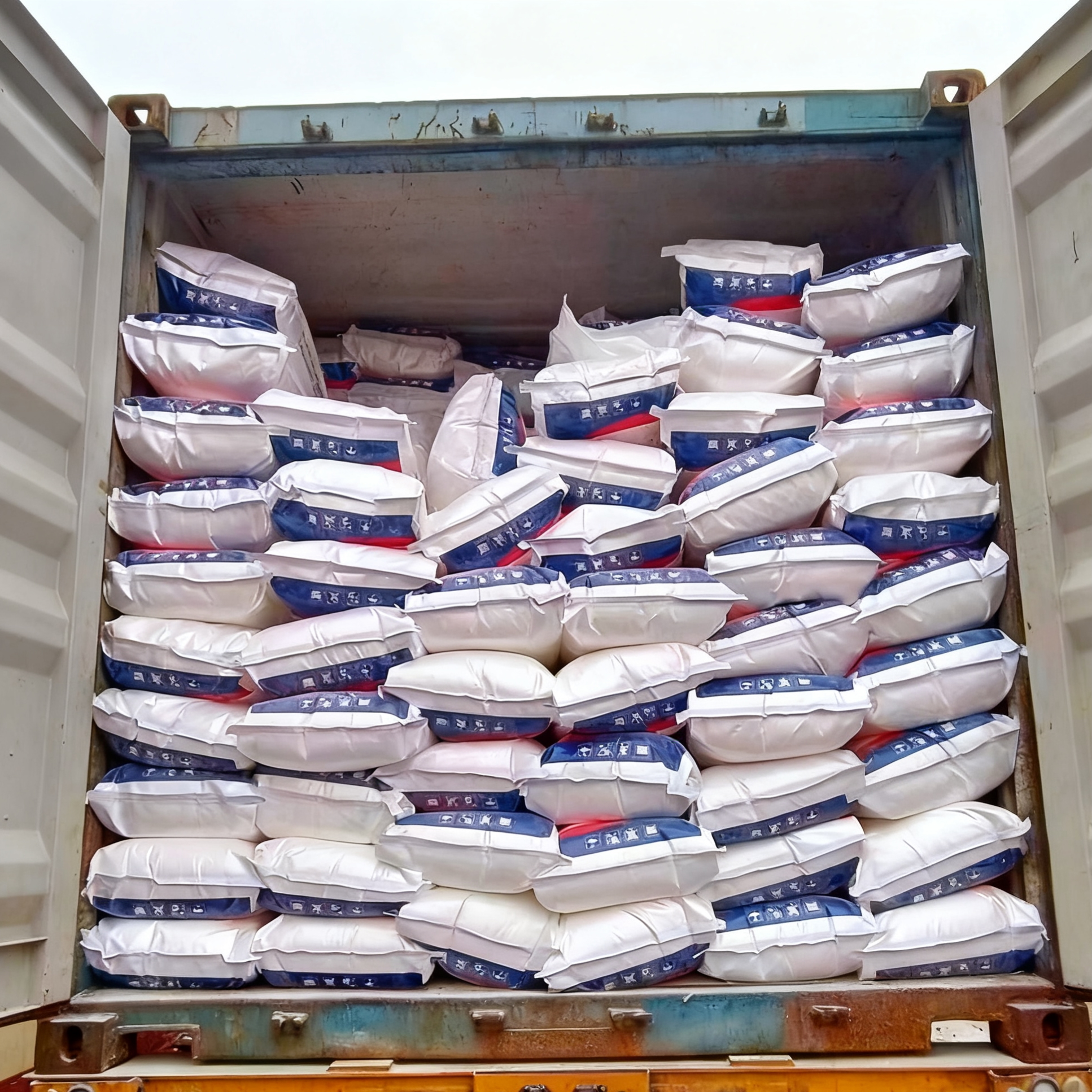
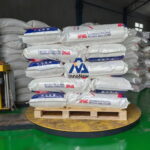
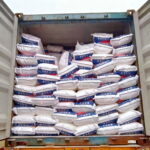
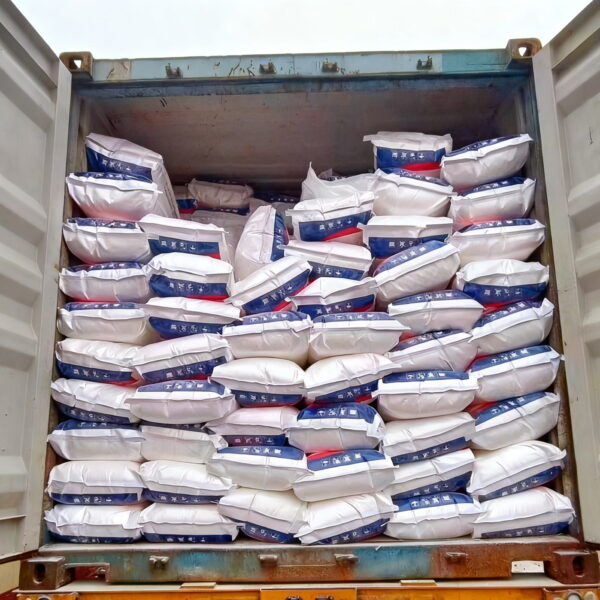
A: Yes, we are a professional HPMC (Hydroxypropyl Methylcellulose) manufacturer with advanced production facilities and quality control systems. We produce high-grade HPMC powders for construction, tile adhesive, plaster, and other industrial applications. Our factory provides OEM/ODM services, technical support, and worldwide shipping to ensure customers receive high-quality products tailored to their requirements.