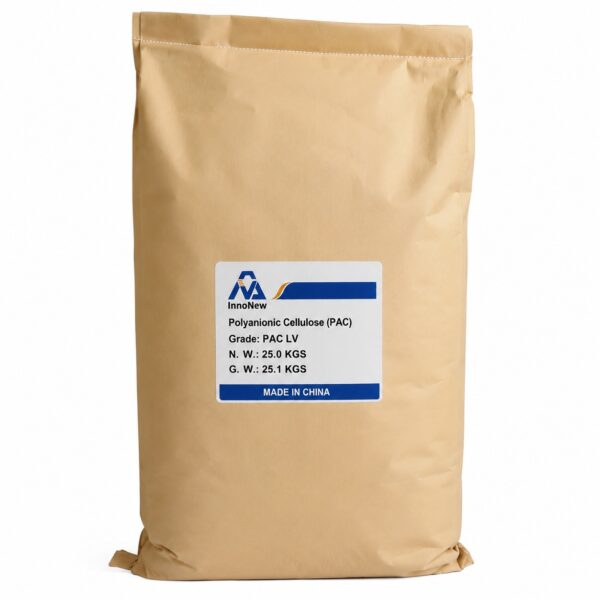
Polyanionic Cellulose (PAC) for Drilling Fluids
API 13A Fluid Loss Control Polymer for Water-Based & Brine-Based Mud Systems
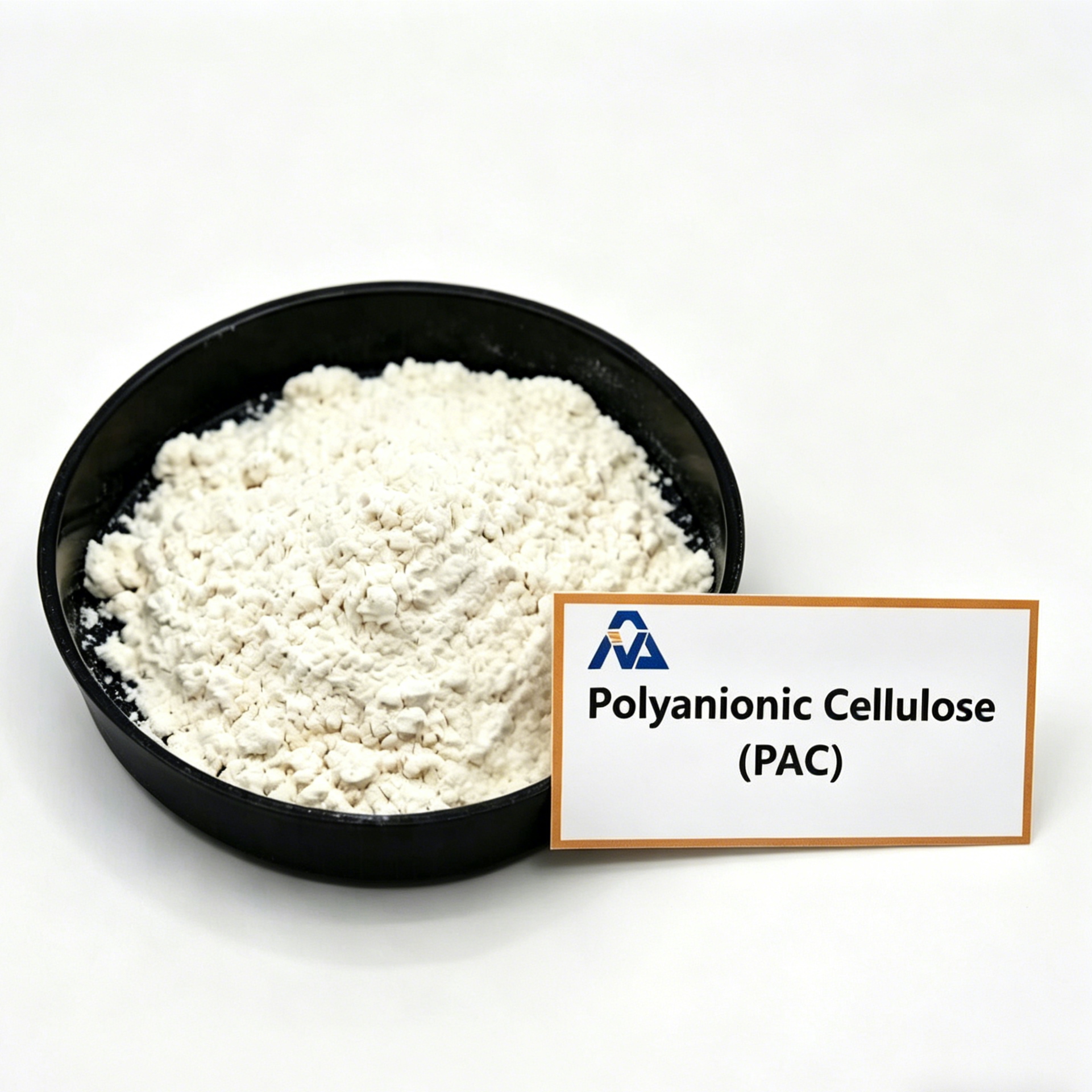
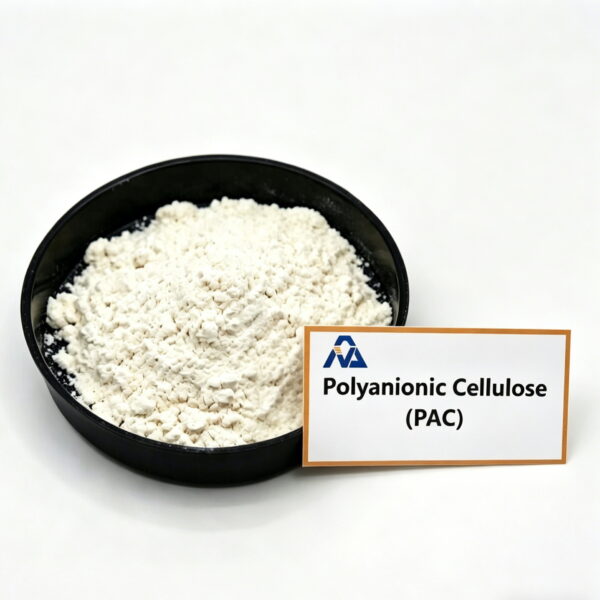
Polyanionic Cellulose (PAC) is a high-performance anionic cellulose ether widely used as a fluid loss control additive in oilfield drilling fluids. It is designed to improve wellbore stability, reduce filtrate loss, and enhance rheological performance in water-based mud (WBM), brine systems, and complex high-salinity drilling environments.
Manufactured under strict quality control, PAC from Hebei InnoNew Material Technology Co., Ltd. provides stable viscosity performance, excellent salt resistance, and strong compatibility with bentonite, xanthan gum, and other drilling fluid polymers.
What is Polyanionic Cellulose (PAC)?
PAC is a modified cellulose derivative with carboxymethyl functional groups, giving it strong anionic properties. It acts primarily as a:
- Fluid loss reducer
- Rheology stabilizer
- Shale inhibitor assistant
- Suspension aid in drilling mud systems
PAC is widely recognized under API 13A standards for oilfield drilling applications.
PAC in Drilling Fluid Systems
PAC is used in a wide range of drilling environments:
- Water-based drilling fluids (WBM)
- Saltwater & brine drilling systems
- Offshore drilling operations
- Deep well & HPHT drilling conditions
- Horizontal directional drilling (HDD)
Key Functions:
- Controls API fluid loss
- Improves borehole stability
- Reduces formation damage
- Enhances drilling efficiency
- Improves cuttings suspension
PAC LV vs PAC HV
| Property | PAC LV (Low Viscosity) | PAC HV (High Viscosity) |
|---|---|---|
| Main Function | Fluid loss control | Fluid loss + viscosity increase |
| Rheology Impact | Low | Medium–High |
| Application | Deep wells, HPHT drilling | General drilling mud |
| Filtration Control | Excellent | Excellent |
| Solid Content Tolerance | High | Medium |
PAC vs CMC vs Starch
| Item | PAC | CMC | Starch |
|---|---|---|---|
| Salt Resistance | Excellent | Medium | Poor |
| Thermal Stability | High | Medium | Low |
| Fluid Loss Control | Strong | Moderate | Weak |
| Cost | Medium | Low | Low |
| Oilfield Use | Premium | Basic | Limited |
PAC is the preferred polymer for high-performance oilfield drilling systems.
Application Areas
- Oil & gas drilling fluids
- Offshore drilling operations
- Geothermal wells
- Horizontal directional drilling (HDD)
- Salt formation drilling
- Shale gas development
Performance Advantages
- API 13A compliant fluid loss control
- Excellent salt and brine resistance
- Stable viscosity in high-temperature environments
- Compatible with xanthan gum and bentonite systems
- Reduces formation damage and mud invasion
Technical Data Sheet:
Polyanionic Cellulose (PAC)
Product Name: Polyanionic Cellulose (PAC)
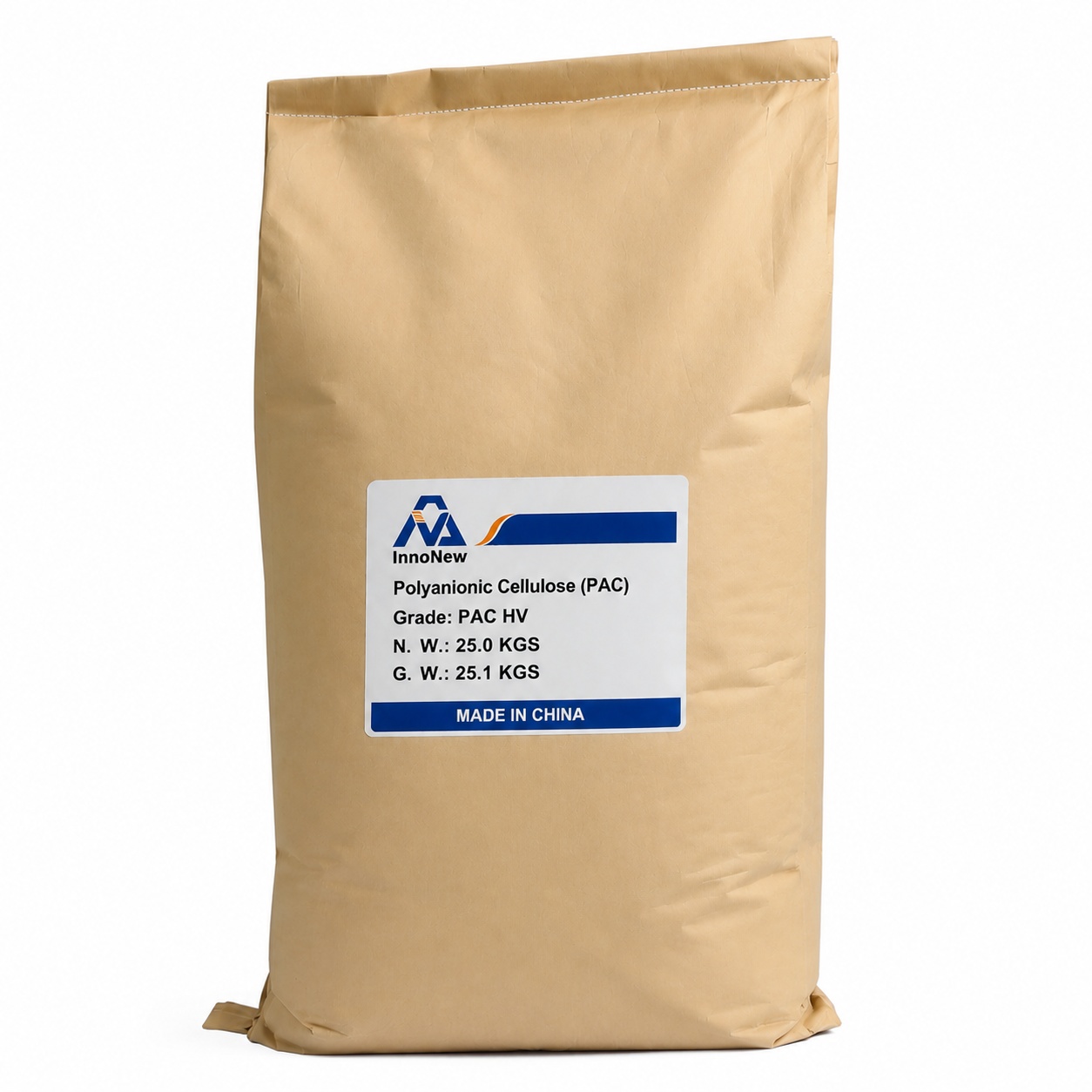
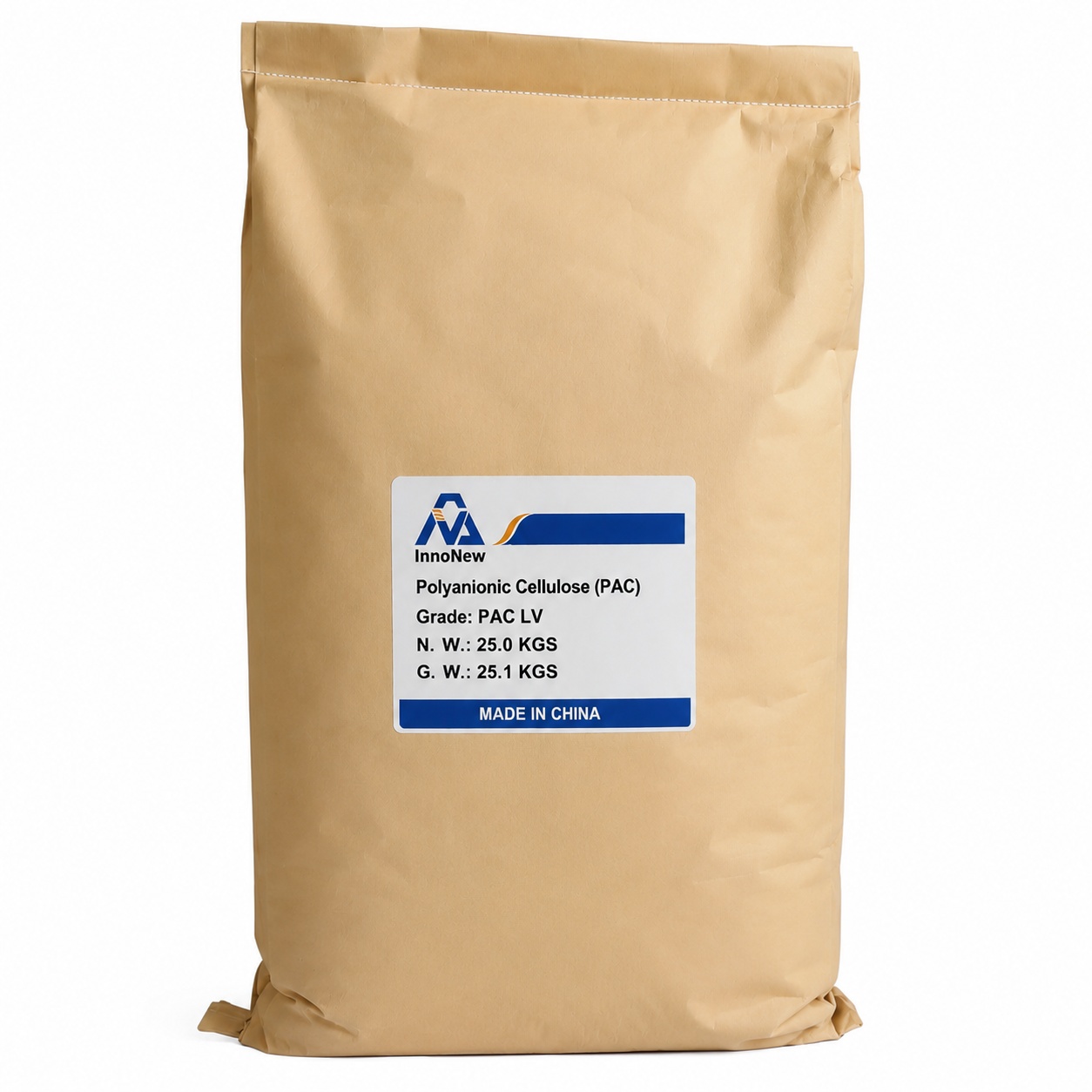
Grade: PAC LV / PAC HV
Standard: API 13A (Oilfield Drilling Fluid Additive)
1. Physical Properties
| Item | Specification |
|---|---|
| Appearance | White to off-white powder |
| Odor | Odorless |
| Moisture Content | ≤ 10.0% |
| pH (1% solution) | 6.5 – 8.5 |
| Particle Size | 80–120 mesh (customizable) |
2. Performance Index
| Item | PAC LV | PAC HV |
|---|---|---|
| Viscosity (1% solution) | Low | Medium–High |
| API Fluid Loss Reduction | ≥ 35% improvement | ≥ 40% improvement |
| Salt Tolerance | High | High |
| Thermal Stability | ≤ 120°C | ≤ 150°C |
3. Functional Performance
| Function | Performance Description |
|---|---|
| Fluid Loss Control | Forms thin, low-permeability filter cake |
| Rheology Control | Stabilizes drilling fluid viscosity |
| Shale Inhibition | Reduces hydration and swelling |
| Suspension Ability | Improves cuttings transport |
4. Recommended Dosage
- Water-based mud: 0.2% – 0.5%
- Brine system: 0.3% – 0.8%
- Adjust based on formation conditions and mud design
5. Compatibility
PAC is compatible with:
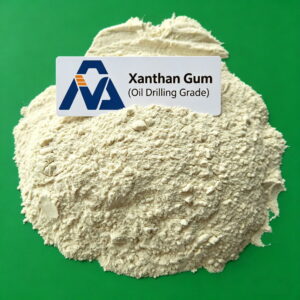
- Xanthan Gum
- Bentonite
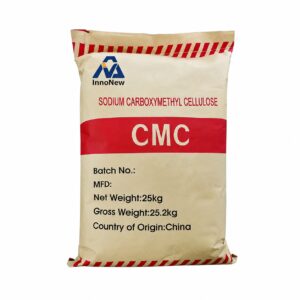
- CMC
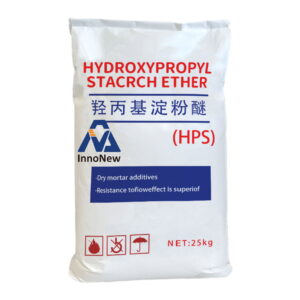
- Starch Ether
- Drilling fluid weighting agents
6. Packaging & Storage
| Item | Description |
|---|---|
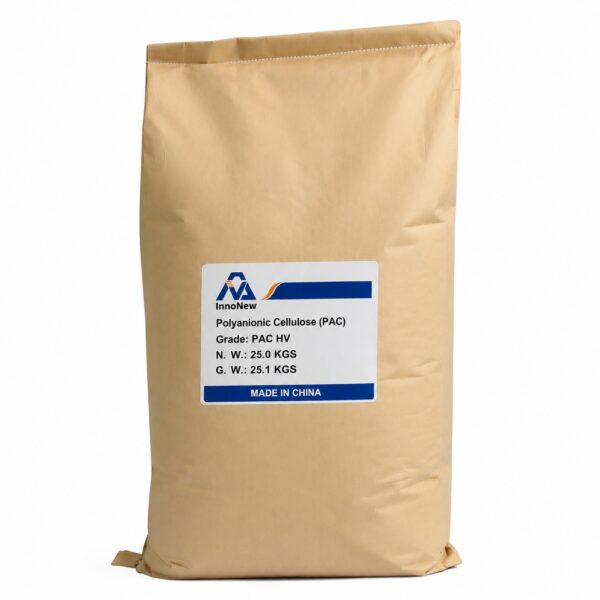
| Packaging | 25 kg PP bags (customized available) |
| Storage | Dry, cool, ventilated place |
| Shelf Life | 24 months |
| Storage Temp | ≤ 40°C recommended |
FAQ
1. What is PAC used for in drilling fluids?
PAC is used as a fluid loss control additive in water-based and brine drilling systems.
2. What is the difference between PAC LV and PAC HV?
PAC LV mainly controls fluid loss, while PAC HV provides both viscosity and filtration control.
3. Can PAC be used in saltwater drilling systems?
Yes, PAC has excellent salt resistance and is widely used in brine drilling fluids.
4. Is PAC compatible with xanthan gum?
Yes, PAC works synergistically with xanthan gum to improve rheology and suspension.
5. What is API 13A PAC?
It refers to PAC that meets American Petroleum Institute drilling fluid additive standards.
6. What is the typical dosage of PAC in drilling mud?
Typically 0.2%–0.8% depending on formation conditions.
7. What is PAC’s main advantage over CMC?
PAC offers higher salt resistance and better fluid loss control performance.