Polycarboxylate Ether (PCE)
High-Performance Chloride-Free Water Reducer for Modern Concrete Technology
Polycarboxylate Ether (PCE) is a next-generation high-range water-reducing admixture designed for modern concrete and cement-based systems.
Engineered with advanced polycarboxylate polymer technology, PCE delivers exceptional cement dispersion, 25–40% water reduction, excellent slump retention, improved pumpability, and enhanced concrete durability.
As a chloride-free concrete admixture, Polycarboxylate Ether is widely used in ready-mix concrete, precast concrete, self-compacting concrete (SCC), high-performance concrete (HPC), ultra-high-performance concrete (UHPC), and dry-mix mortar formulations worldwide.
Why Choose Polycarboxylate Ether (PCE)?
Outstanding Water Reduction
Achieves water reduction rates of 25–40%, enabling lower water-cement ratios and higher compressive strength.
Excellent Slump Retention
Maintains workability during transportation, pumping, and placement, reducing slump loss and improving construction efficiency.
Chloride-Free Formulation
Contains no added chloride, helping protect steel reinforcement from corrosion and extending service life.
Enhanced Concrete Strength
Improves both early-age and long-term compressive strength through optimized cement hydration.
Superior Pumpability
Improves concrete flow characteristics and reduces pumping resistance.
Improved Durability
Reduces permeability and enhances resistance to carbonation, chloride penetration, and freeze-thaw cycles.
Low Dosage Requirement
Provides high performance at relatively low addition rates, improving overall cost efficiency.
Typical Technical Specifications
| Polycarboxylate Superplasticizer (PCE) | ||
| Items | Specification | |
| PCE PW888 HWR | PCE PG300 HSR | |
| Appearance | White to light yellow powder | |
| Solid content, % | ≥ 98.0 | ≥ 98.0 |
| Bulk density, kg/m³ | 450-650 | 450-650 |
| pH value, 20% solution | 6.0-8.0 | 6..0-8.0 |
| Moisture, % | ≤ 2.0 | ≤ 2.0 |
| Chloride content | ≤ 0.02 | ≤ 0.02 |
| Alkali content, % | ≤ 10.0 | ≤ 10.0 |
| Water Reduction Rate | ≥ 25-40 | ≥ 25-40 |
| Slump retention, (60-12min) | Moderate | Excellent |
Available Grades
To meet different project requirements, Polycarboxylate Ether is available in multiple performance grades.
PW888 HWR
High Water Reduction Grade
Designed for:
- High-Strength Concrete
- Precast Concrete
- HPC
- UHPC
- Low Water-Cement Ratio Concrete
- Concrete Pile
Key Benefits:
- Maximum water reduction
- Higher early strength
- Increased concrete density
- Improved mechanical performance
PG300 HSR
High Slump Retention Grade
Designed for:
- Ready-Mix Concrete
- Long-Distance Transportation
- Pumped Concrete
- Hot Climate Projects
- Large Construction Sites
Key Benefits:
- Extended workability
- Reduced slump loss
- Better pumpability
- Improved placement efficiency
Working Mechanism
Polycarboxylate Ether molecules feature a unique comb-shaped molecular structure.
After adsorption onto cement particles:
Electrostatic Repulsion
Negatively charged groups generate repulsive forces between cement particles.
Steric Hindrance
Long side chains physically prevent particle re-agglomeration.
Together, these mechanisms provide exceptional particle dispersion and release trapped mixing water, resulting in superior fluidity and water reduction performance.
Applications
Polycarboxylate Ether (PCE) is widely used in:
Concrete Industry
- Ready-Mix Concrete
- Precast Concrete
- Self-Compacting Concrete (SCC)
- High-Performance Concrete (HPC)
- Ultra-High-Performance Concrete (UHPC)
- Pumped Concrete
- Mass Concrete
- Bridge Construction
- Tunnel Construction
- Airport Runways
- Industrial Flooring
- Dam Projects
Dry-Mix Mortar Industry
- Tile Adhesives
- Self-Leveling Compounds
- Repair Mortars
- Cementitious Grouts
- Wall Putty
- Waterproof Mortars
Advantages Compared with Traditional Water Reducers
| Property | PCE | SNF | Lignosulfonate |
|---|---|---|---|
| Water Reduction | 25–40% | 15–25% | 5–12% |
| Slump Retention | Excellent | Moderate | Poor |
| Dosage | Low | Medium | High |
| Early Strength | Excellent | Moderate | Low |
| Durability | Excellent | Good | Moderate |
| Compatibility | Excellent | Good | Limited |
| Chloride-Free | Yes | Depends | Depends |
Polycarboxylate Ether has become the preferred superplasticizer technology for modern concrete production worldwide.
Recommended Dosage
| Application | Dosage (% by Weight of Cementitious Materials) |
|---|---|
| Ready-Mix Concrete | 0.10 – 0.25% |
| HPC | 0.15 – 0.30% |
| SCC | 0.15 – 0.30% |
| Precast Concrete | 0.10 – 0.35% |
| Dry-Mix Mortar | 0.05 – 0.30% |
Actual dosage should be determined through laboratory testing and field trials using local materials.
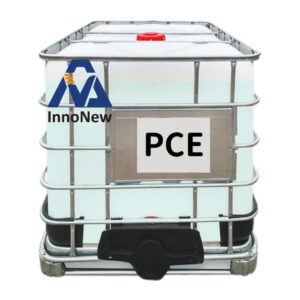
Packaging
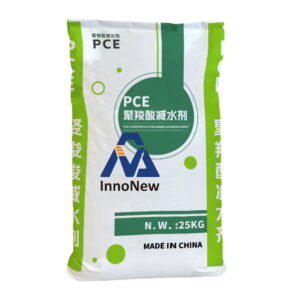
Available packaging options:
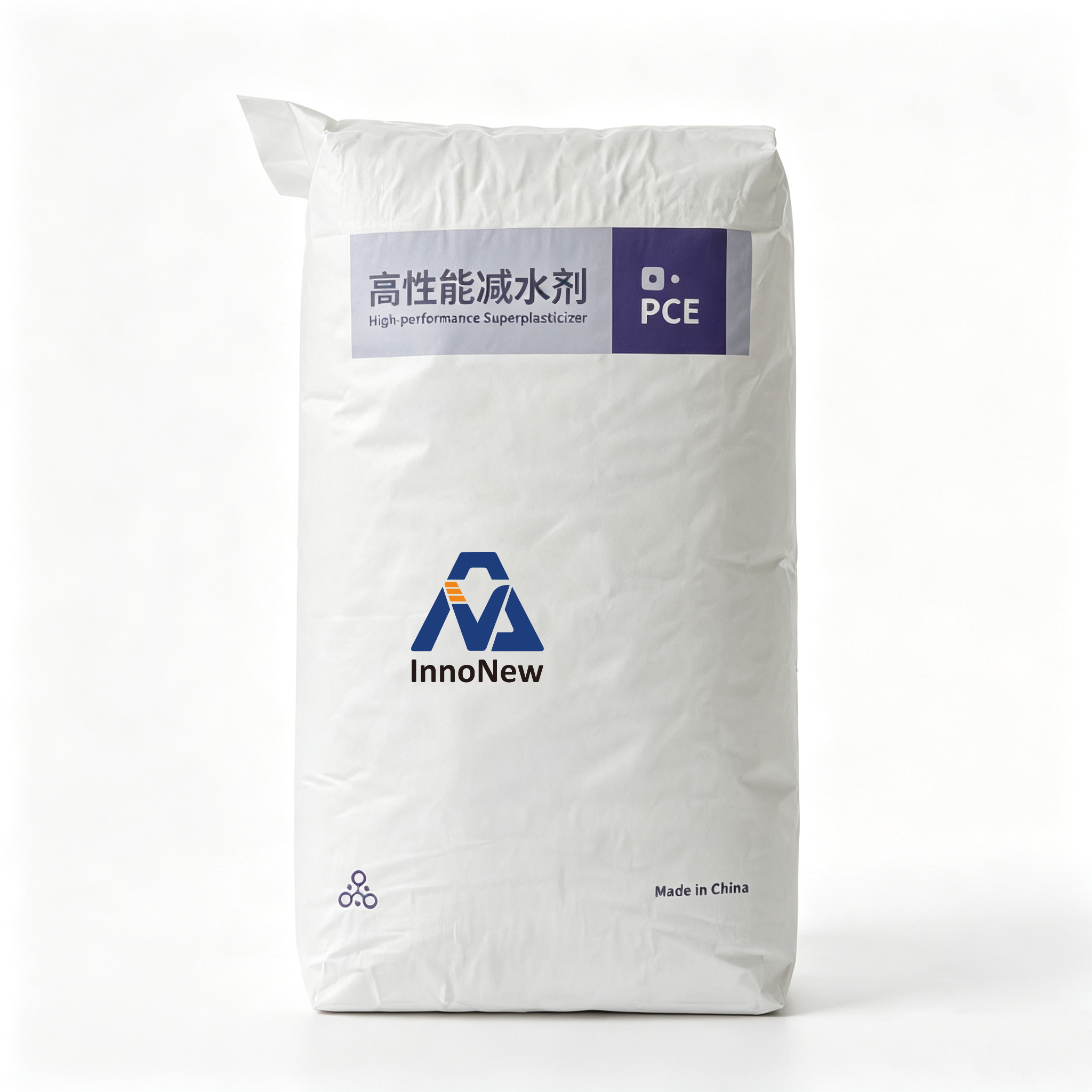
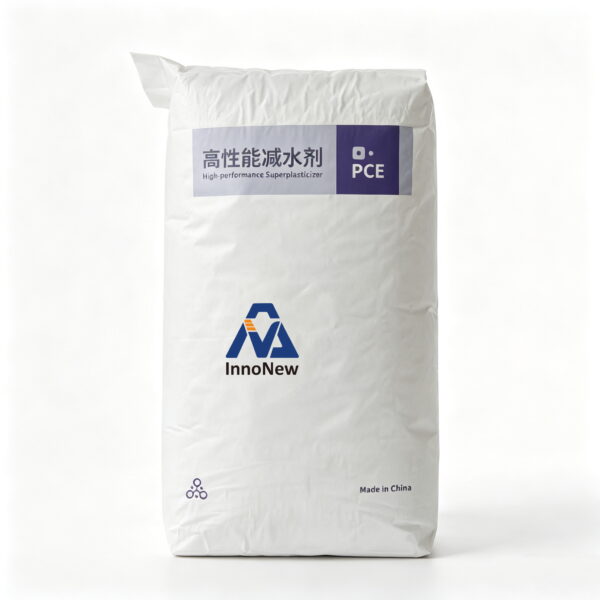
- 25 kg Kraft Paper Bag with PE Inner Liner
- 500 kg Jumbo Bag
- 1000 kg Jumbo Bag
- Customized Packaging Available
Storage and Shelf Life
Storage Conditions
Store in a cool, dry, and well-ventilated environment.
Protect from:
- Moisture
- Direct sunlight
- Rain exposure
- High humidity
Shelf Life
12 months in unopened original packaging.
Frequently Asked Questions (FAQ)
Is Polycarboxylate Ether (PCE) chloride-free?
Yes. Our Polycarboxylate Ether contains no added chloride and features a chloride ion content of ≤0.02%, making it suitable for reinforced and prestressed concrete applications.
What water reduction rate can PCE achieve?
It’s up to 25-40%, depending on cement type, dosage, and mix design.
Can PCE be used in dry-mix mortar formulations?
Yes. Polycarboxylate Ether is widely used in tile adhesives, self-leveling compounds, repair mortars, and cementitious grouts.
How should I choose between High Water Reduction and High Slump Retention PCE grades?
The selection depends on project requirements and construction conditions.
High Water Reduction grades are recommended for high-strength concrete, precast production, and applications requiring low water-cement ratios. High Slump Retention grades are better suited for ready-mix concrete, long transportation distances, hot weather concreting, and pumping applications where extended workability is required.
Laboratory testing is recommended to determine the most suitable grade for specific cement and aggregate systems.
Is PCE suitable for hot weather concreting?
Yes. Slump-retention grades such as PG300 HSR are specifically designed for long transportation times and hot climate conditions.
Is Polycarboxylate Ether compatible with all cement types?
Polycarboxylate Ether is generally compatible with Ordinary Portland Cement (OPC), blended cement, slag cement, fly ash cement, and other supplementary cementitious material (SCM) systems.
However, cement composition, alkali content, gypsum type, and fineness may influence admixture performance. Compatibility testing should always be conducted before large-scale production.
Can Polycarboxylate Ether be used together with mineral admixtures?
Yes. PCE performs effectively in concrete containing fly ash, ground granulated blast furnace slag (GGBFS), silica fume, metakaolin, limestone powder, and other mineral admixtures.
Proper dosage optimization can help maximize workability, strength development, and long-term durability when supplementary cementitious materials are incorporated.