
Dry Mix Mortar Formulation Guide: Raw Materials, Additives, and Performance Optimization Principles
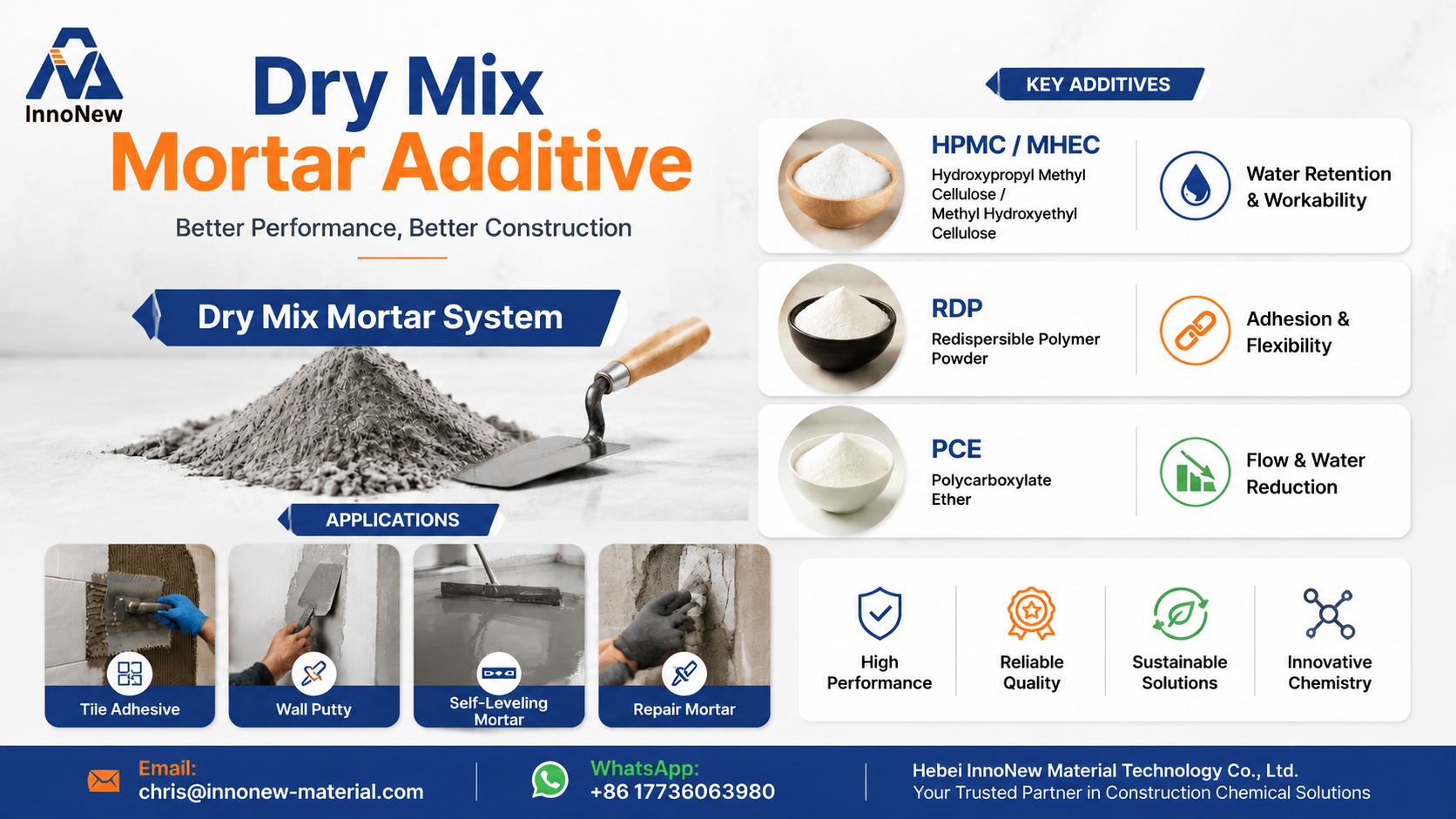
1. Introduction: From “Formula” to “System Engineering”
Dry mix mortar is no longer a simple ratio-based mixture of cement, sand, and additives. In modern construction chemistry, it is better understood as a multi-phase engineered system, where performance is determined by the interaction between hydration chemistry, particle packing, and polymer modification mechanisms.
In real engineering applications, failures such as cracking, poor adhesion, segregation, or inconsistent workability are rarely caused by a single raw material. Instead, they result from imbalanced system interactions between binders, fillers, and functional additives.
Therefore, modern dry mix mortar design should shift from “formula thinking” to system engineering thinking.
2. Dry Mix Mortar System Architecture
A typical dry mix mortar system consists of three core layers:
2.1 Cementitious Binder System
This includes:
- Ordinary Portland Cement (OPC)
- Calcium aluminate cement (for special systems)
- Gypsum-based binders (for leveling and finishing systems)
The binder determines:
- Mechanical strength
- Hydration rate
- Early and long-term performance development
2.2 Filler and Aggregate System
Common materials include:
- Quartz sand (graded silica sand)
- Calcium carbonate (CaCO₃)
- Mineral fillers (fly ash, slag powder)
Their functions:
- Particle packing optimization
- Cost control
- Shrinkage reduction
A well-designed filler system improves density and reduces internal voids, directly influencing durability.
2.3 Functional Additive System
This is the most critical component in modern dry mix mortar engineering, including:
- Cellulose ether (HPMC / MHEC)
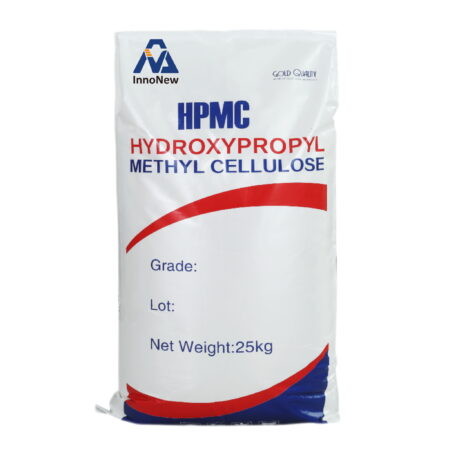
- Redispersible polymer powder (RDP / VAE)
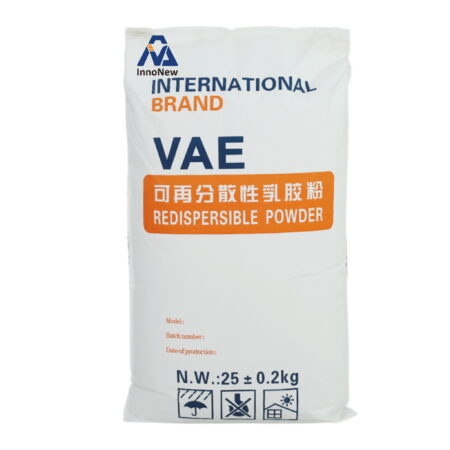
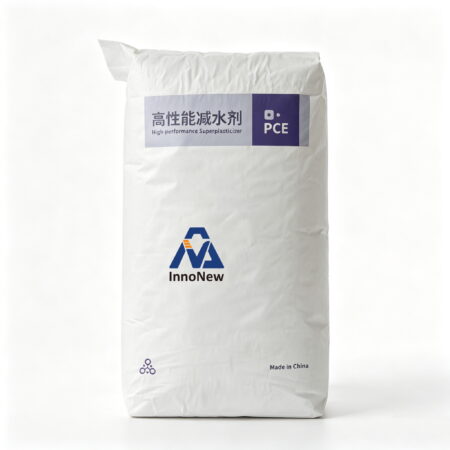
- Polycarboxylate superplasticizer (PCE)
- Retarders, accelerators, defoamers, air-entraining agents
These additives do not act independently; instead, they form a coupled performance regulation network.
3. Functional Mechanism of Key Additives
3.1 Cellulose Ether (HPMC / MHEC): Rheology and Water Retention Controller
Cellulose ether plays a central role in controlling fresh mortar behavior.
Primary functions:
- Water retention improvement
- Extended open time
- Anti-sagging performance (tile adhesive systems)
- Workability stabilization
Mechanism:
HPMC forms a hydrophilic polymer network that:
- Reduces free water migration
- Stabilizes cement particle dispersion
- Controls hydration rate at early stages
This ensures consistent hydration and prevents premature water loss, especially in hot or dry environments.
3.2 Redispersible Polymer Powder (RDP / VAE): Adhesion and Flexibility Enhancer
RDP is responsible for mechanical bonding improvement after curing.
Primary functions:
- Increased tensile adhesion strength
- Flexibility and crack resistance
- Impact resistance improvement
- Durability enhancement
Mechanism:
During hydration and drying:
- RDP particles coalesce into a continuous polymer film
- This film bridges cement hydrates and substrate interfaces
- Stress distribution is improved at micro-scale level
This is critical for tile adhesives, EIFS systems, and repair mortars.
3.3 Polycarboxylate Ether (PCE): Flow and Particle Dispersion Regulator
PCE is widely used in high-performance dry mix systems requiring flow control.
Primary functions:
- Water reduction
- Improved flowability
- Higher density and strength development
- Better pumpability in self-leveling systems
Mechanism:
PCE disperses cement particles through:
- Steric hindrance effect
- Electrostatic repulsion
This breaks flocculation structures and releases trapped water.
As a result, water demand is reduced while maintaining workability.
4. Engineering Principles of Formulation Design
4.1 Performance-Oriented Design Approach
Modern mortar formulation is defined by target performance, not fixed ratios:
- Workability window
- Bond strength requirement
- Setting time control
- Shrinkage limitation
Each application (tile adhesive, leveling compound, repair mortar) requires a different balance.
4.2 Additive Synergy Mechanism
The real performance comes from interaction effects:
- HPMC + RDP → balance between workability and adhesion
- PCE + binder system → density and strength optimization
- RDP + filler system → crack resistance improvement
These synergies define the final system behavior more than individual components.
4.3 Water–Binder Ratio Control
Water content is the most sensitive variable in dry mix mortar systems.
- Excess water → shrinkage, cracking, low strength
- Insufficient water → poor hydration, weak bonding
Additives like HPMC and PCE indirectly regulate this ratio by controlling water availability and dispersion behavior.
5. Typical Dry Mix Mortar System Configurations
Instead of fixed formulas, industry uses system-based design:
Tile Adhesive System (C1/C2 class concept)
- Cement binder
- Graded silica sand
- HPMC (workability control)
- RDP (adhesion improvement)
Self-Leveling Mortar System
- High-flow binder system
- PCE (flow control)
- Defoamer (air control)
- RDP (surface strength enhancement)
Wall Putty System
- Fine fillers (CaCO₃ dominant)
- HPMC (water retention)
- RDP (crack resistance)
6. Performance Optimization Strategies
To improve mortar performance, engineers typically focus on:
- Improving hydration efficiency through dispersion control
- Reducing capillary porosity
- Enhancing polymer film continuity
- Balancing open time and setting time
- Optimizing particle packing density
These strategies ensure long-term durability rather than short-term workability alone.
7. Common Technical Problems and Engineering Solutions
Problem: Cracking after curing
Cause: shrinkage stress + insufficient polymer film
Solution: increase RDP content + optimize water retention system
Problem: Poor adhesion to substrate
Cause: weak interface bonding
Solution: improve RDP quality and adjust surface energy compatibility
Problem: Rapid water loss
Cause: high temperature / porous substrate
Solution: optimize HPMC molecular weight and substitution level
Problem: Segregation in wet state
Cause: poor rheology control
Solution: adjust HPMC + fine filler grading system
8. Application Fields
Dry mix mortar systems are widely used in:
- Residential and commercial construction
- High-rise building facade systems
- Industrial flooring systems
- Precast concrete components
- Infrastructure repair projects
9. Conclusion
Dry mix mortar formulation is fundamentally a multi-component engineering system rather than a simple mixture design. The final performance is determined by the interaction between cement hydration chemistry, particle packing structure, and functional polymer additives.
A scientifically designed system must integrate:
- Hydration control (cement chemistry)
- Rheology control (HPMC)
- Adhesion enhancement (RDP)
- Dispersion optimization (PCE)
This integrated approach ensures stable performance across different environmental and construction conditions.
FAQ
1. What is dry mix mortar formulation?
Dry mix mortar formulation is the engineered design of cement-based dry powder systems that combine binders, fillers, and functional additives to achieve specific construction performance.
2. What is the role of HPMC in dry mix mortar?
HPMC improves water retention, workability, and open time while preventing premature water loss during application.
3. Why is RDP important in mortar systems?
RDP enhances adhesion strength, flexibility, and crack resistance by forming a polymer film within the cement matrix after curing.
4. How does PCE affect dry mix mortar performance?
PCE improves particle dispersion, reduces water demand, and enhances flowability and final strength.
5. What is the difference between formula and formulation in mortar design?
A formula is a fixed ratio, while formulation refers to a system-based engineering design that adjusts materials based on performance requirements.
6. Why do dry mix mortar systems crack?
Cracking is usually caused by shrinkage stress, poor water retention, or insufficient polymer modification in the system.
7. Can dry mix mortar performance be improved without changing cement content?
Yes. Performance can be significantly improved by optimizing additives such as HPMC, RDP, and PCE without changing cement dosage.