EIFS Adhesive Mortar Technology: How HPMC and RDP Improve Bond Strength and Workability
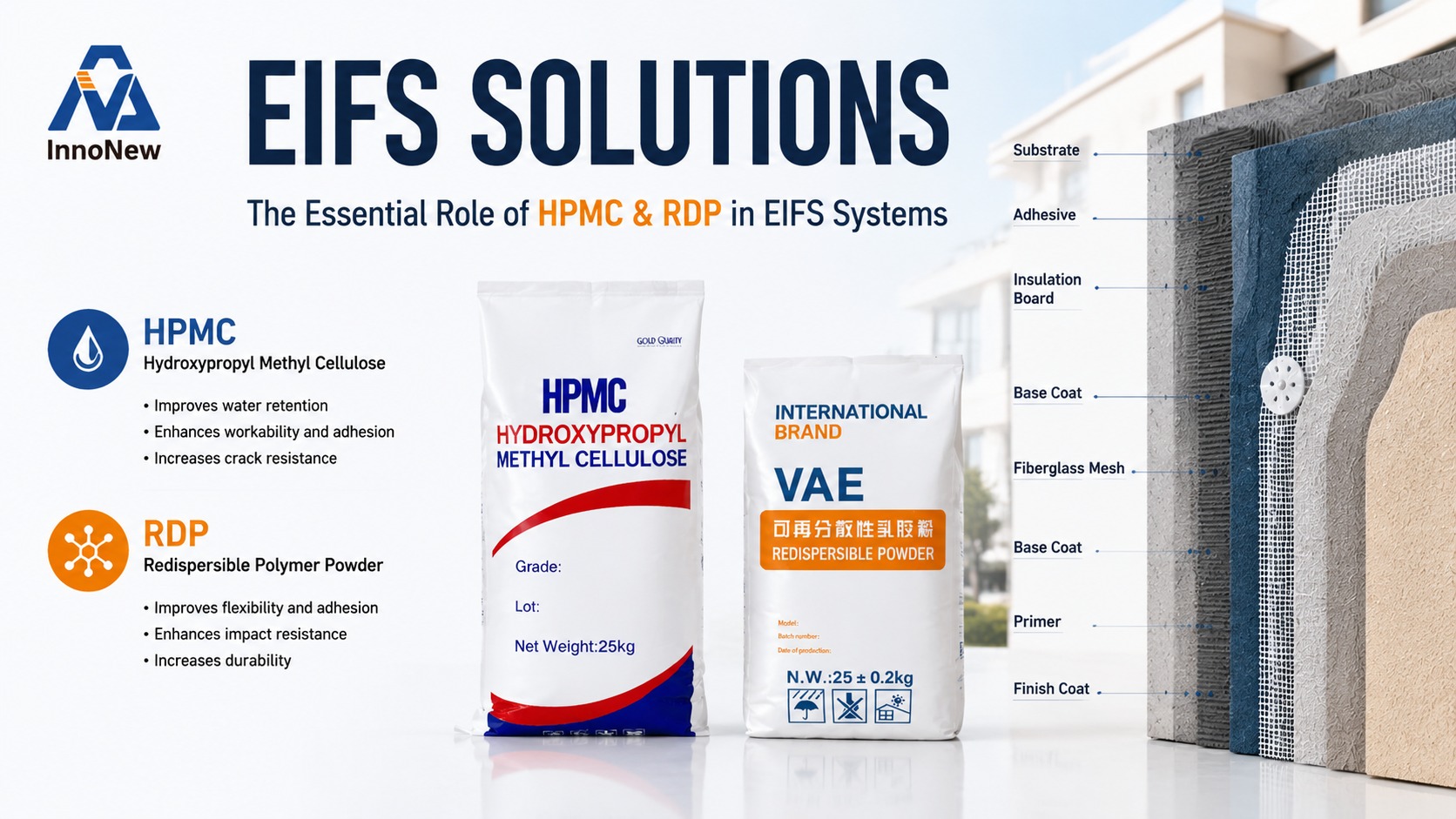
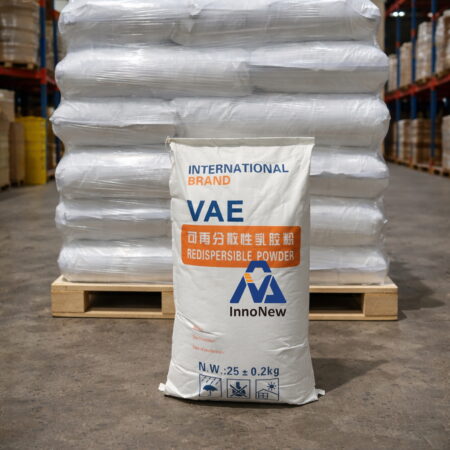
Key HPMC & RDP Additives for EIFS Systems
1. EIFS Adhesive Mortar: The Hidden Structural Interface
EIFS adhesive mortar is not simply a bonding material—it is a load-transfer and stress-buffering interface layer between:
Structural wall substrate
Thermal insulation board (EPS/XPS)
Reinforced base coat system
Engineering Definition
EIFS adhesive mortar functions as a viscoelastic transition layer that balances rigid cement behavior and flexible insulation substrates.
Without proper formulation, the entire EIFS system becomes structurally unstable.
2. Bonding Mechanism in EIFS Systems
EIFS bonding is governed by three simultaneous mechanisms:
2.1 Mechanical Interlocking
Penetration into substrate pores
Physical anchoring effect
2.2 Chemical Adhesion
Cement hydration products (C-S-H gel)
Surface energy interaction with EPS/XPS
2.3 Polymer Film Bonding (Critical Role of RDP)
Continuous polymer network formation
Elastic interface bridging
3. Role of HPMC in EIFS Adhesive Mortar
HPMC (Hydroxypropyl Methyl Cellulose) is not a strength additive—it is a construction performance regulator.
Key Functions:
3.1 Water Retention Control
Prevents rapid water loss
Ensures full cement hydration
3.2 Open Time Extension
Allows proper board positioning
Improves installation accuracy
3.3 Anti-Sagging Performance
Stabilizes vertical application
Controls mortar rheology
3.4 Workability Stability
Prevents segregation
Improves smooth application
Engineering Insight:
Without HPMC, EIFS mortar loses rheological stability, leading to uneven bonding and premature drying failure.
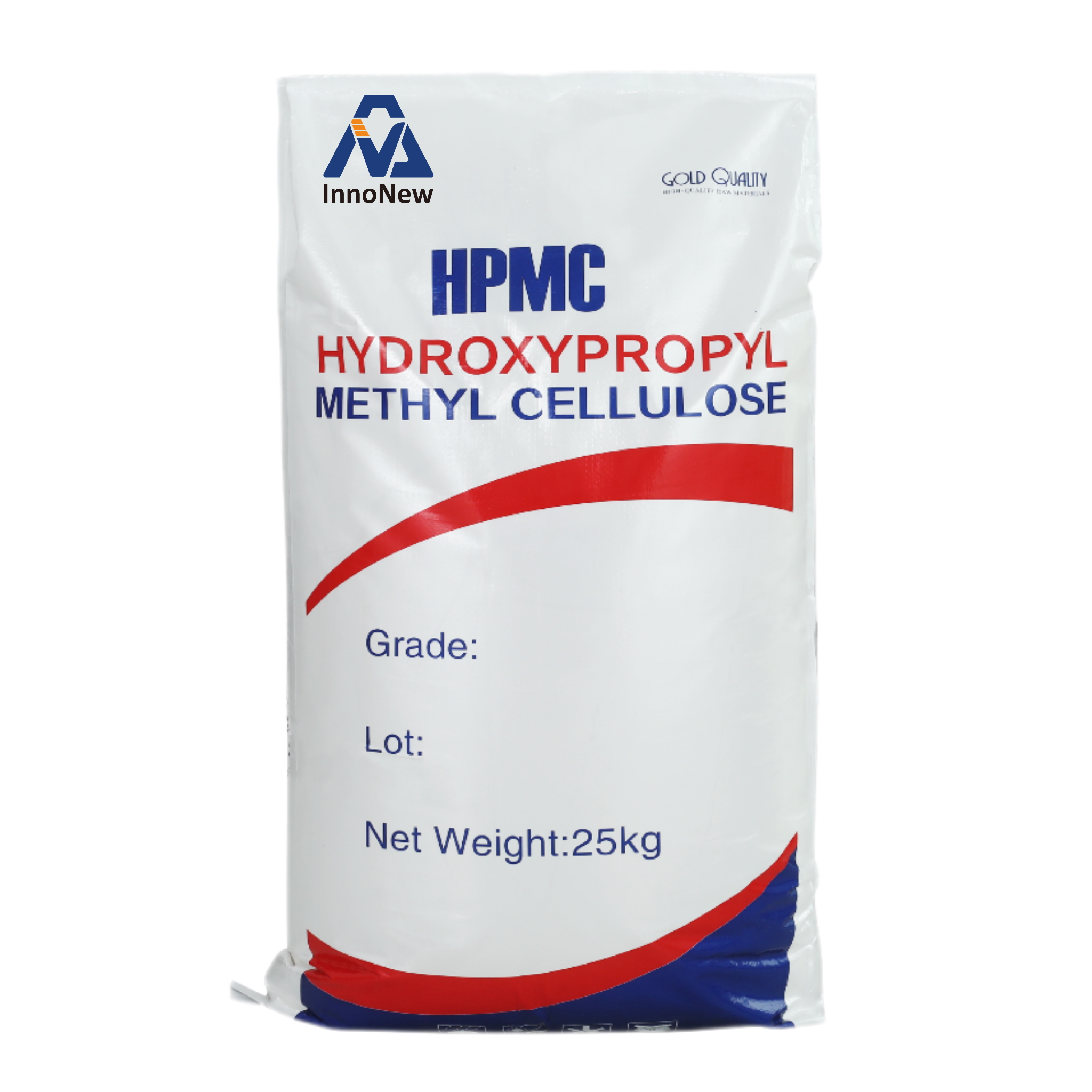
High-quality HPMC (Hydroxypropyl Methyl cellulose) powder used in tile adhesives, wall putty, and cement-based mortars to improve water retention, workability, and bonding strength.
4. Role of RDP in EIFS Systems (Bond Strength Engineering)