
Why Mala Color Stone Paint Additive Is Essential
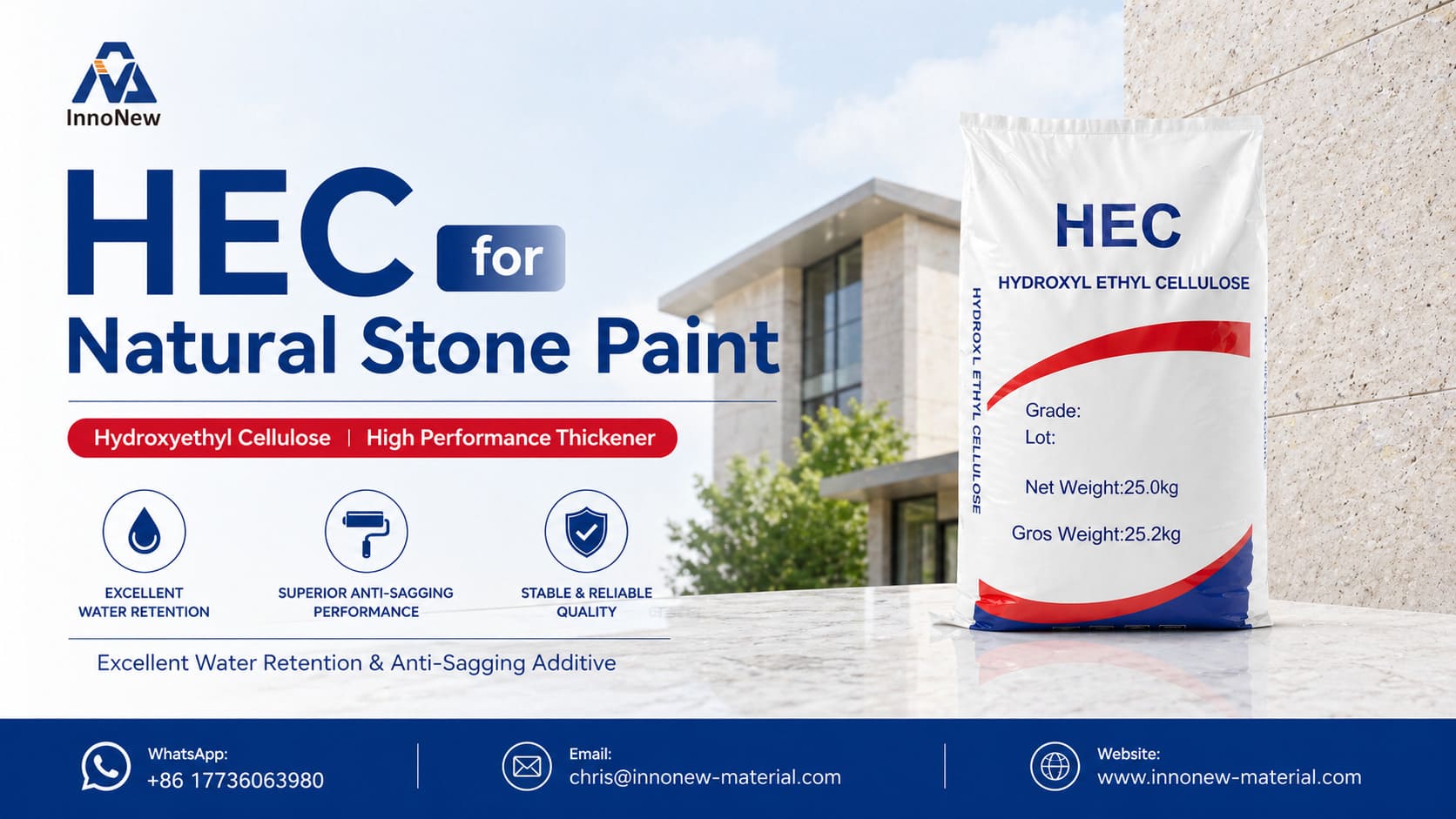
Amid the ongoing upgrading trend of architectural coatings, mala color stone paint additive has evolved into a core element for boosting product performance and market competitiveness.
Whether for dry powder systems or water-based systems, the proper selection of stone paint additive can greatly enhance adhesion, workability and weather resistance.
With the surging demand for high-end stone-like coatings, color stone paint additives are no longer merely auxiliary materials, but critical determinants of formula success.
Core Formula System Analysis (Dry Powder VS Water-Based)
Dry Powder Type Mala Color Stone
Typical Formula Composition:
- HPMC (Hydroxypropyl Methyl Cellulose)
- MHEC (Methyl Hydroxyethyl Cellulose)
- RDP (Redispersible Polymer Powder)
- HPS (Starch Ether)
- Silicone Water Repellent
- Color Sand + White Cement + Heavy Calcium Carbonate
Key Features:
- Excellent workability
- High bonding strength
- Cost-effective and controllable
Water-Based / Liquid Mala Color Stone
Typical Formula Composition:
- Hydroxyethyl Cellulose (HEC)
- Modified Cellulose
- Emulsion System
- Defoamer / Dispersant
Key Features:
- Ready-to-use system
- Superior leveling property
- Ideal for high-end market demands
Core Additive Function Analysis
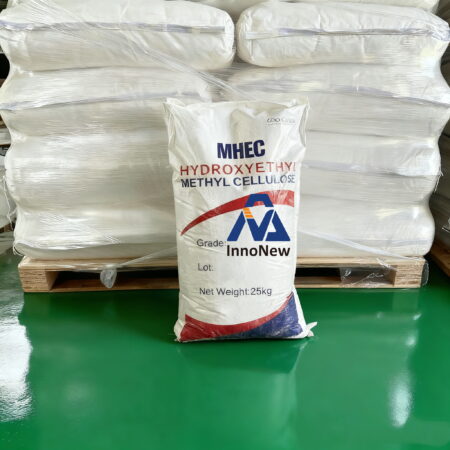
1. Cellulose Ether (HPMC / HEC / MHEC)
- Delivers outstanding water retention capacity
- Controls construction open time
- Optimizes rheological properties
👉 Serves as the core framework of all mala stone paint formulation additives
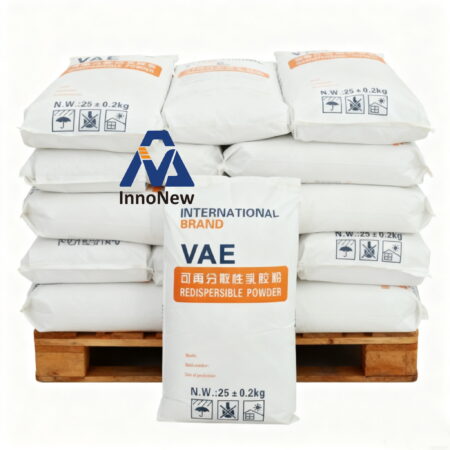
2. RDP (Redispersible Polymer Powder)
- Strengthens adhesion and flexibility
- Greatly improves crack resistance
- Enhances long-term weather resistance
👉 Core material to effectively improve stone paint adhesion
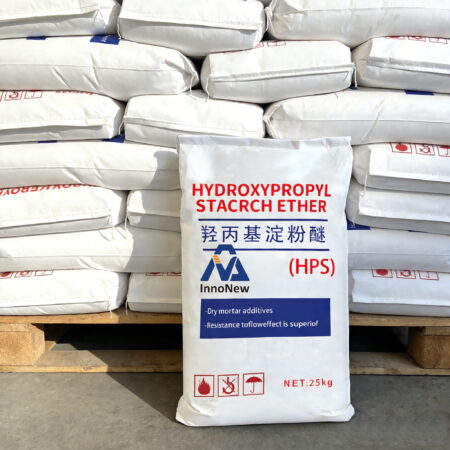
3. HPS (Hydroxypropyl Starch Ether)
- Anti-sagging performance
- Optimizes construction hand feel
- Improves anti-slip capability
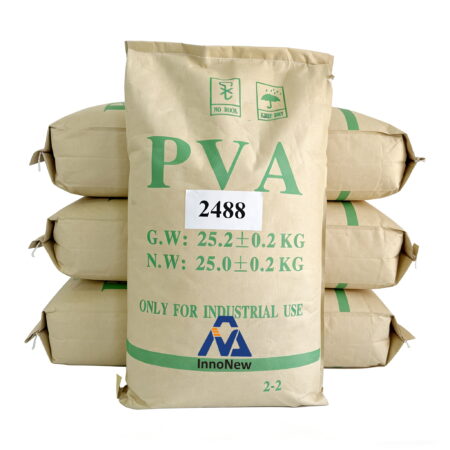
4. PVA (Polyvinyl Alcohol)
- Enhances film-forming performance
- Improves structural stability
- Boosts overall structural strength
Application Scenarios
mala color stone paint additive is widely applied in multiple fields:
- Exterior wall stone-like coatings
- Real stone paint / chip stone paint
- Architectural decorative coatings
- High-end residential and commercial buildings
👉 Different scenarios require customized stone paint thickener and binder matching
Application Methods
Dry Powder System
- Dry mix all powder raw materials evenly
- Add water and stir (recommended water addition: 20–25%)
- Let stand and mature for 5–10 minutes
Water-Based System
- Disperse HEC raw materials in advance
- Add emulsion and auxiliary agents sequentially
- Adjust viscosity in the final step
👉 Standard operation maximizes the comprehensive performance of additives for color stone coating
Product Advantages
✔ High compatibility with diversified stable formulas
✔ Premium and smooth construction experience
✔ Powerful adhesion & outstanding crack resistance
✔ Wide adaptability for multiple coating systems
✔ Premium and smooth construction experience
✔ Powerful adhesion & outstanding crack resistance
✔ Wide adaptability for multiple coating systems
👉 Empower customers with high-quality and customized stone paint additive solution
WHY CHOOSE US
Factory direct supply with stable supply capacity
Professional technical support & customized formula optimization
Strict quality control to ensure batch consistency
Rich global export experience and mature overseas service
👉 We are not only a reliable stone paint additive supplier, but also provide one-stop complete coating formula solutions
FAQ
Q1: What additives are used in stone paint?
Common core materials include HPMC, HEC, RDP, starch ether and PVA, which are the essential color stone paint additives for formula production.
Common core materials include HPMC, HEC, RDP, starch ether and PVA, which are the essential color stone paint additives for formula production.
Q2: How to improve stone paint performance?
Optimizing the mixing ratio of cellulose ether and RDP is the most efficient way to comprehensively upgrade coating comprehensive performance.
Optimizing the mixing ratio of cellulose ether and RDP is the most efficient way to comprehensively upgrade coating comprehensive performance.
Q3: Which is better: dry or water-based system?
The selection depends on actual application scenarios, budget and cost structure requirements.
The selection depends on actual application scenarios, budget and cost structure requirements.
Q5: How to choose the best additive?
It is recommended to select targeted matching solutions based on construction methods, local climate conditions and base material types.
It is recommended to select targeted matching solutions based on construction methods, local climate conditions and base material types.
We offer formulation support and one-stop solutions, contact us for samples or quotes
 Email: chris@innonew-material.com
 WhatsApp: +86 17736063980
Email: chris@innonew-material.com WhatsApp: +86 17736063980