
Introduction
Polycarboxylate Superplasticizer (PCE), also known as Polycarboxylate Ether Superplasticizer, has become one of the most widely used high-performance concrete admixtures worldwide due to its excellent water reduction capability, superior slump retention, and strong adaptability for modern concrete applications.
However, the price of Polycarboxylate Superplasticizer is not determined by a single factor. Unlike traditional chemical products, PCE pricing is influenced by a combination of raw material costs, polymer structure, manufacturing technology, product performance requirements, energy costs, logistics conditions, and market supply-demand balance.
For concrete admixture manufacturers and international buyers, understanding the factors behind PCE pricing is essential for effective procurement planning, cost control, and selecting the right supplier.
This article provides a comprehensive analysis of the major factors affecting Polycarboxylate Superplasticizer prices.
1. Raw Material Cost: The Primary Factor Affecting PCE Price
The largest influence on Polycarboxylate Superplasticizer pricing comes from raw materials.
PCE production mainly involves polyether macromonomers, unsaturated carboxylic acids, functional monomers, initiators, and other chemical additives. Among these materials, polyether monomers such as HPEG and TPEG play a particularly important role in determining production costs.
The typical PCE synthesis system includes:
- Polyether macromonomer (HPEG/TPEG/VPEG)
- Acrylic acid
- Functional monomers
- Chain transfer agents
- Initiators
- Water and neutralizing agents
Changes in any key raw material can directly influence the final PCE price.
1.1 Polyether Monomer (HPEG/TPEG) Price
Polyether monomers are the core building blocks of Polycarboxylate Ether Superplasticizer.
Commonly used monomers include:
- HPEG (Hydroxyethyl Polyoxyethylene Ether)
- TPEG (Isopentenyl Polyoxyethylene Ether)
- VPEG
- MPEG
Among them, HPEG and TPEG are widely used in commercial PCE production.
The molecular structure of these monomers determines important PCE performance characteristics, including:
- Water reduction rate
- Slump retention
- Cement compatibility
- Dispersion ability
Therefore, fluctuations in HPEG and TPEG prices have a direct impact on PCE production costs.
Factors affecting polyether monomer prices include:
Ethylene Oxide Cost
Ethylene oxide (EO) is an important upstream raw material for producing polyether structures.
When EO prices increase:
Ethylene Oxide Cost ↑
↓
Polyether Monomer Cost ↑
↓
PCE Production Cost ↑
↓
PCE Price Adjustment
Supply and Demand Balance
The supply-demand relationship of polyether monomers also strongly influences pricing.
When:
- Infrastructure investment increases
- Concrete demand rises
- PCE consumption grows
The demand for HPEG/TPEG increases, which may create upward pressure on prices.
Production Capacity and Factory Operations
Polyether monomer supply can also be affected by:
- Factory maintenance
- Production interruptions
- Environmental policies
- Energy supply conditions
Temporary supply limitations may lead to rapid market price changes.
2. Acrylic Acid and Other Chemical Raw Materials
Although polyether monomers are the largest cost component, other chemical materials also affect PCE pricing.
Acrylic acid is another important raw material used in PCE polymerization.
It provides carboxyl groups that contribute to:
- Cement particle adsorption
- Dispersion performance
- Water reduction efficiency
Changes in acrylic acid prices can influence overall production costs.
Other materials include:
Functional Monomers
Functional monomers are used to improve specific PCE properties:
- Slump retention
- Early strength
- Low temperature performance
- Cement adaptability
Higher-performance formulations may require additional functional components, increasing production costs.
3. PCE Product Type and Performance Grade
Not all Polycarboxylate Superplasticizers have the same price.
A common misunderstanding in the market is comparing PCE products only by price per ton.
However, the real value depends on product performance.
Important product factors include:
3.1 PCE Powder vs PCE Liquid
PCE Powder
Typical characteristics:
- High active content
- Easy transportation
- Suitable for export markets
- Long storage stability
Common solid content:
90%-98%
PCE Liquid
Typical characteristics:
- Ready-to-use liquid form
- Lower transportation efficiency
- Usually supplied at lower solid content
Common solid content:
40%-50%
Because of differences in concentration, packaging, and transportation costs, powder and liquid PCE products should not be compared only by unit price.
3.2 Water Reduction Rate
Higher-performance PCE products usually require more advanced molecular design.
For example:
Standard PCE:
- General water reduction
- Normal concrete applications
High-performance PCE:
- High strength concrete
- Precast concrete
- Self-compacting concrete
- Long-distance transportation concrete
Higher performance requirements often mean higher production costs.
3.3 Slump Retention Performance
Modern concrete projects increasingly require longer workability retention.
PCE products designed for:
- Hot climates
- Long transportation distance
- Large-scale infrastructure projects
usually require optimized molecular structures.
This may increase formulation complexity and cost.
4. Manufacturing Technology and Quality Control
Different suppliers may offer significantly different PCE prices even when raw material markets are similar.
One important reason is manufacturing technology.
PCE production requires precise control of:
- Polymerization process
- Molecular weight distribution
- Monomer ratio
- Reaction temperature
- Reaction time
A stable molecular structure directly affects concrete performance.
Poor process control may result in:
- Lower water reduction
- Poor cement compatibility
- Unstable slump retention
Therefore, lower-priced products are not always more economical.
5. Energy and Production Costs
Chemical manufacturing is highly influenced by energy costs.
Major production expenses include:
- Electricity
- Steam
- Heating and cooling systems
- Equipment operation
- Waste treatment
When energy prices increase, chemical production costs may also rise.
6. Packaging and Logistics Costs
For international PCE buyers, logistics can significantly affect final purchasing costs.
Factors include:
Packaging
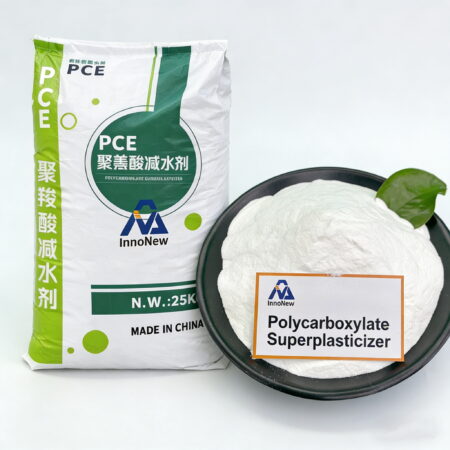
PCE powder:
- 25kg bags
- Jumbo bags
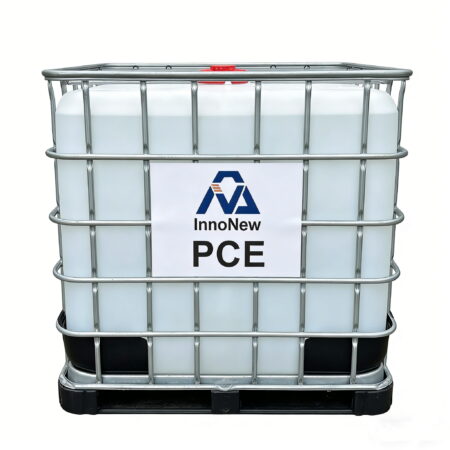
PCE liquid:
- Drums
- IBC tanks
Packaging selection affects:
- Handling efficiency
- Storage requirements
- Transportation cost
Ocean Freight
Export prices are influenced by:
- Container availability
- Fuel costs
- Port conditions
- Shipping routes
For overseas customers, logistics can represent an important part of the final delivered cost.
7. Market Supply and Demand Conditions
Like other chemical products, PCE prices are influenced by market cycles.
Factors include:
Construction Industry Demand
When construction activity increases:
Concrete demand ↑
Admixture demand ↑
PCE demand ↑
Regional Market Differences
PCE prices may vary between:
- Asia
- Middle East
- Africa
- Europe
- South America
because of:
- Local demand
- Transportation distance
- Competition level
- Import conditions
8. Why Do Different Suppliers Offer Different PCE Prices?
Many customers ask:
“Why is one supplier’s PCE price much lower than another supplier?”
The answer is that price differences usually come from multiple factors.
A complete comparison should consider:
1. Active Content
Example:
PCE powder:
90%-98%
PCE liquid:
40%-50%
2. Performance Parameters
Including:
- Water reduction rate
- Slump retention
- Cement compatibility
- Dosage requirement
3. Quality Stability
Stable quality reduces:
- Production problems
- Concrete performance risks
- Customer complaints
4. Technical Support
Professional suppliers provide:
- Application guidance
- Formula optimization
- Trial support
- Technical solutions
The lowest price is not always the lowest total cost.
9. How Can Buyers Control PCE Procurement Costs?
For customers purchasing Polycarboxylate Superplasticizer, several strategies can help control costs.
Monitor Raw Material Trends
Understanding HPEG and TPEG market movements helps buyers make better purchasing decisions.
Build Long-Term Supplier Relationships
Stable cooperation can help achieve:
- More predictable pricing
- Reliable supply
- Technical support
Select the Right Product Grade
Choose PCE products according to actual applications:
- Ready-mix concrete
- Precast concrete
- Self-leveling mortar
- High-strength concrete
Avoid paying for unnecessary performance.
Future Outlook of Polycarboxylate Superplasticizer Pricing
The PCE market will continue to be influenced by:
- Raw material price fluctuations
- Global construction demand
- Energy costs
- Chemical industry trends
- Technology development
Although short-term price fluctuations are unavoidable, suppliers with strong supply chains, advanced production technology, and professional technical capability will provide more stable solutions for customers.
Conclusion
The price of Polycarboxylate Superplasticizer is determined by multiple factors, not only raw material costs.
The main factors include:
✓ Polyether monomer prices (HPEG/TPEG)
✓ Acrylic acid and chemical material costs
✓ Product performance requirements
✓ Manufacturing technology
✓ Energy costs
✓ Packaging and logistics
✓ Market supply and demand
For concrete producers and construction chemical companies, understanding these factors helps make better purchasing decisions and establish long-term, reliable supply strategies.
At Hebei InnoNew Material Technology Co., Ltd., we continuously monitor raw material trends and optimize production processes to provide stable-quality Polycarboxylate Superplasticizer solutions for global customers.
FAQ
1. What factors affect Polycarboxylate Superplasticizer price?
Polycarboxylate Superplasticizer (PCE) price is mainly affected by raw material costs, production technology, product performance, logistics, and market supply-demand conditions.
The most important factor is usually the price of polyether monomers such as HPEG and TPEG.
2. How do HPEG and TPEG prices influence PCE cost?
HPEG and TPEG are key raw materials for PCE production. When polyether monomer prices increase, the production cost of Polycarboxylate Superplasticizer usually increases accordingly.
3. Why do different suppliers offer different PCE prices?
Different PCE prices are caused by differences in raw materials, product specifications, solid content, performance requirements, production technology, and quality control standards.
Price should be evaluated together with product performance and reliability.
4. Is a lower PCE price always better?
Not necessarily. A lower-priced PCE product may require higher dosage or have lower performance.
Customers should consider water reduction rate, slump retention, cement compatibility, and overall application cost.
5. How can buyers control PCE purchasing costs?
Buyers can control costs by monitoring raw material trends, selecting suitable PCE grades, working with reliable suppliers, and evaluating product performance instead of focusing only on price.