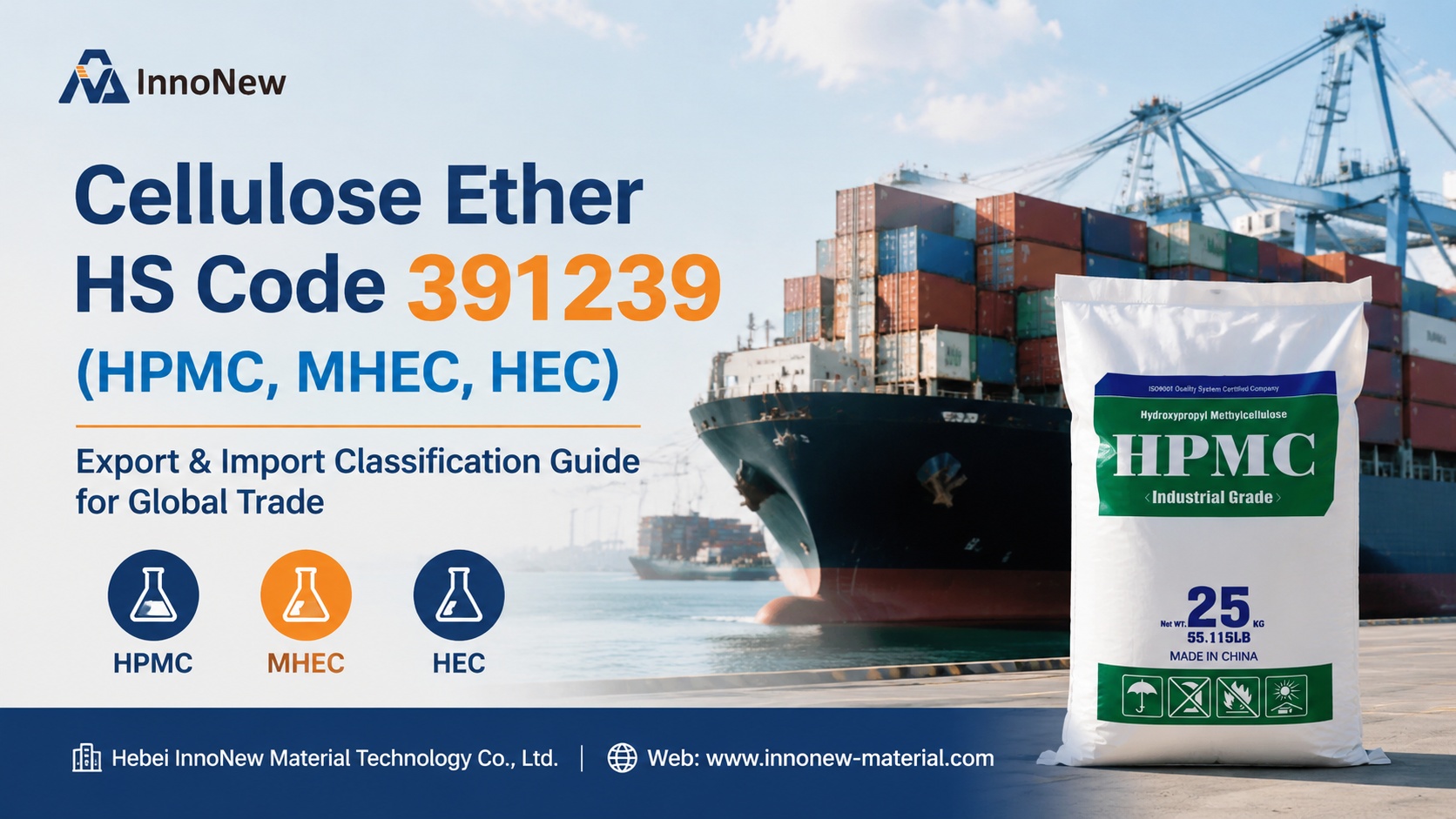
Complete HS code classification guide for cellulose ether products including HPMC, HEC, and MHEC used in construction chemicals, tile adhesives, and dry mix mortar systems.
1. Introduction: What is Cellulose Ether HS Code 39123900?
Cellulose ethers are a major class of water-soluble polymer additives widely used in construction chemicals, coatings, pharmaceuticals, and industrial formulations. In international trade, these materials are typically classified under:
HS Code 39123900
This HS code is globally recognized for cellulose ether derivatives, including key construction-grade materials such as:
These materials play a critical role in improving water retention, workability, viscosity control, and performance stability in cement-based and water-based systems.
Correct HS Code classification is essential for customs clearance, tariff calculation, and international trade compliance.
2. What is Cellulose Ether?
Cellulose ether is a chemically modified derivative of natural cellulose obtained from refined cotton linters or wood pulp. Through etherification reactions, hydroxyl groups on cellulose are substituted with functional groups such as:
Methyl (-CH₃)
Hydroxypropyl (-CH₂CHOHCH₃)
Hydroxyethyl (-CH₂CH₂OH)
Key Properties
Water solubility (cold water dispersible)
High viscosity development
Excellent thickening performance
Non-ionic chemical stability
Thermal gelation behavior (depending on type)
Main Industrial Applications
Tile adhesive systems
Dry mix mortar formulations
Wall putty / skim coat
Gypsum-based materials
Water-based coatings and paints
3. HS Code 39123900 Classification Principle
3.1 HS Code Structure
The Harmonized System (HS Code) is globally standardized:
39 → Plastics and articles thereof
3912 → Cellulose and its chemical derivatives
391239 → Other cellulose ethers
Therefore:
39123900 = Cellulose ether derivatives
3.2 Why Cellulose Ether Falls Under 3912
Cellulose ethers are classified based on chemical structure, not application.
All HPMC, HEC, and MHEC share:
Cellulose backbone
Ether substitution structure
Water-soluble polymer behavior
Thus, customs authorities classify them under the same HS category.
4. Product Breakdown Under HS 39123900
4.1 HPMC (Hydroxypropyl Methylcellulose)
HPMC is one of the most widely used cellulose ethers in construction chemistry.
Applications
Tile adhesives
Wall putty
EIFS systems
Cement-based mortars
HS Classification
Generally classified under 39123900 as cellulose ether
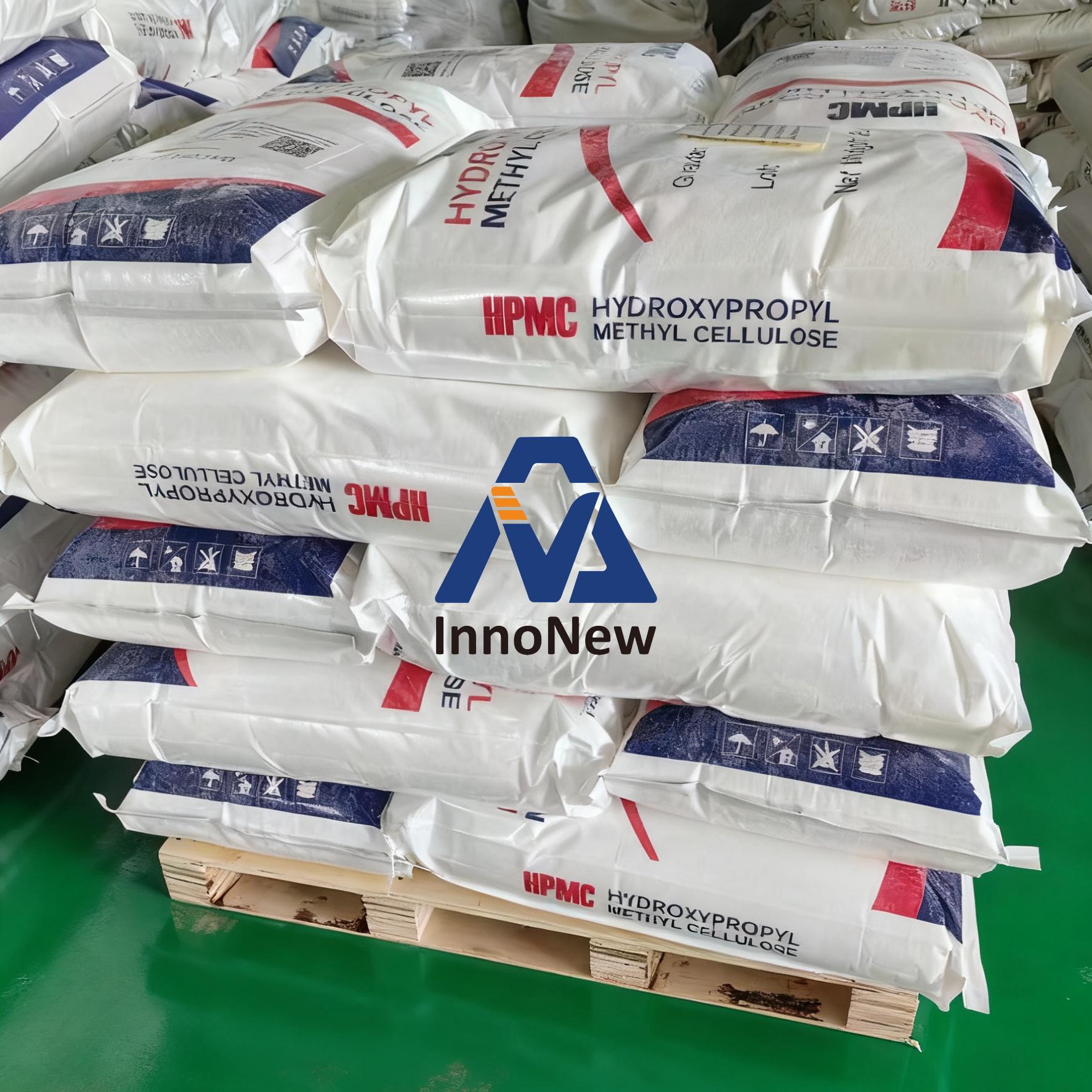
InnoNew HPMC manufacturer supply high quality HPMC Powder for construction and industrial use.
4.2 HEC (Hydroxyethyl Cellulose)
HEC is primarily used in water-based systems due to its excellent thickening ability.
Applications
Paints and coatings
Latex systems
Detergents
Water-based formulations
HS Classification
39123900 (cellulose ether derivative)
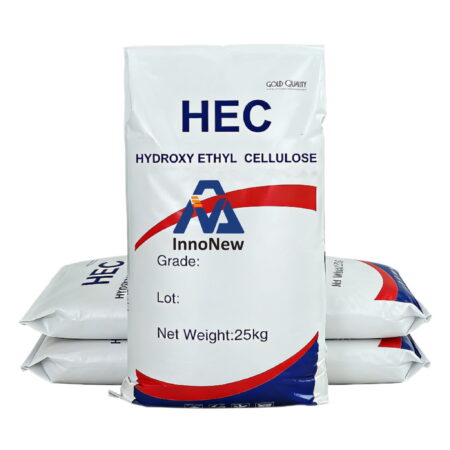
High-performance Hydroxyethyl Cellulose (HEC) used as a thickener and rheology modifier for improved stability, anti-sagging, and application properties in water-based paints.
4.3 MHEC (Methyl Hydroxyethyl Cellulose)
MHEC is widely used in dry mix mortars with improved water retention and workability.
Applications
Dry mix mortar
Tile adhesives
Skim coat systems
HS Classification
39123900 (cellulose ether family)
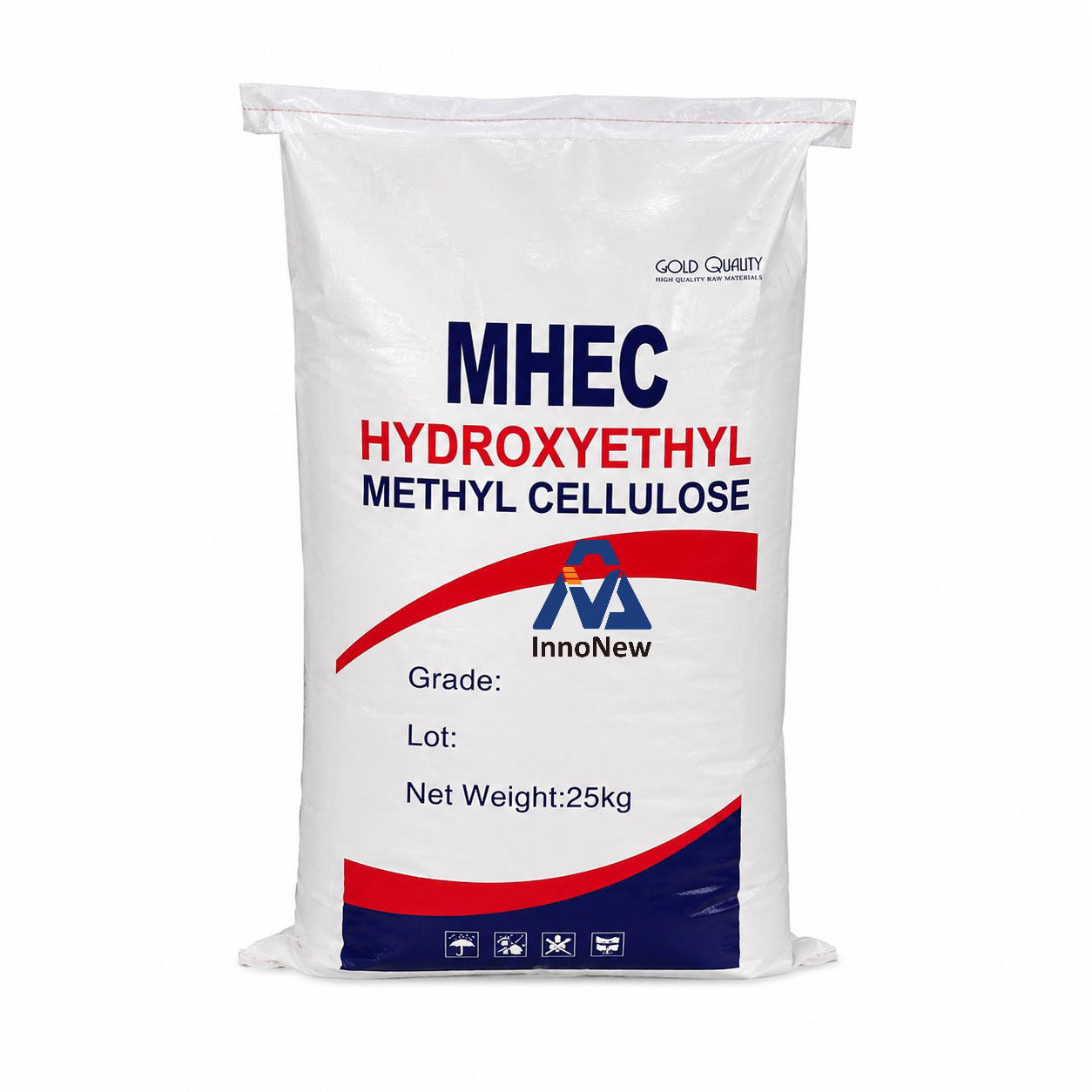
High-purity MHEC (Hydroxyethyl Methyl Cellulose/HEMC) non-ionic cellulose ether powder. Widely used in tile adhesive, wall putty, EIFS, water-based paint as thickener, water retention agent and rheology modifier. Competitive with HPMC HEC for dry mortar and coatings.
Key Conclusion
HPMC, HEC, and MHEC are all classified under HS Code 39123900 due to their shared cellulose ether chemical structure.
5. Why Different Products Share the Same HS Code
The Harmonized System is based on chemical composition rather than end-use application.
Key Classification Logic
Same cellulose backbone
Same ether functional modification system
Similar physicochemical properties
Industrial polymer family grouping
Important Insight
Even though applications differ (construction, coatings, chemicals), customs classification remains unified under cellulose ether category.
6. Country-Specific HS Code Variations
While the first 6 digits remain consistent, extended codes vary:
Region
HS Code
Description
EU
391239
Cellulose ethers
USA
39123900
Cellulose ether derivatives
India
3912 39 90
Other cellulose ethers
China
39123900
Cellulose ether products
SEA Countries
391239 / local extension
Construction chemical additives
Important Note
Differences affect:
Import duty rates
Customs documentation
Statistical classification
But not the chemical identity.
7. Common HS Code Misclassification Risks
Incorrect classification is a common issue in international trade.
Frequent Mistakes
Declaring as generic “chemical additives”
Misclassifying as synthetic polymer emulsions
Confusing with starch ethers or gum-based thickeners
Trade Risks
Customs delay or inspection
Tariff re-evaluation
Penalty or reclassification
Shipment clearance rejection
8. Customs Compliance Best Practices
To ensure smooth import/export clearance:
Recommended Product Description
Cellulose Ether (HPMC / HEC / MHEC), construction chemical additive, water-soluble polymer powder, industrial use.
Required Documents
Commercial Invoice
Packing List
COA (Certificate of Analysis)
MSDS (Material Safety Data Sheet)
Technical Data Sheet (TDS)
Packaging Standards
25kg kraft paper bags with PE liner
Moisture-proof packaging
Palletized export shipment
9. Trade & Industry Insight
From a global supply chain perspective, cellulose ether consistency is critical for downstream applications in construction and industrial manufacturing.
These products are engineered to meet international trade classification standards under HS Code 39123900, ensuring stable export compliance across Asia, Middle East, South America, and European markets.
10. FAQ
Q1: What is HS Code 39123900 used for?
It is used for cellulose ether derivatives such as HPMC, HEC, and MHEC.
Q2: Are HPMC, HEC, and MHEC under the same HS code?
Yes, they are generally classified under HS 39123900.
Q3: Why do cellulose ethers share the same HS code?
Because HS classification is based on chemical structure, not application.
Q4: Does HS code change by country?
The first 6 digits remain the same, but extended codes vary by country.
Q5: What industries use cellulose ether?
Construction, coatings, pharmaceuticals, detergents, and industrial formulations.