
PP Fiber for Concrete: Complete Engineering Guide to Crack Control, Durability & Modern Concrete Performance
Introduction
Concrete is the backbone of modern infrastructure, yet cracking remains one of the most common and costly problems in concrete construction. From plastic shrinkage cracks in freshly placed slabs to long-term drying shrinkage and thermal cracking in large structures, uncontrolled crack formation can significantly reduce durability, service life, watertightness, and structural reliability.
As modern construction projects demand higher durability, lower maintenance, improved sustainability, and better long-term performance, conventional concrete systems are often no longer sufficient on their own.
This is why polypropylene (PP) fiber has become an increasingly important component in modern concrete technology.
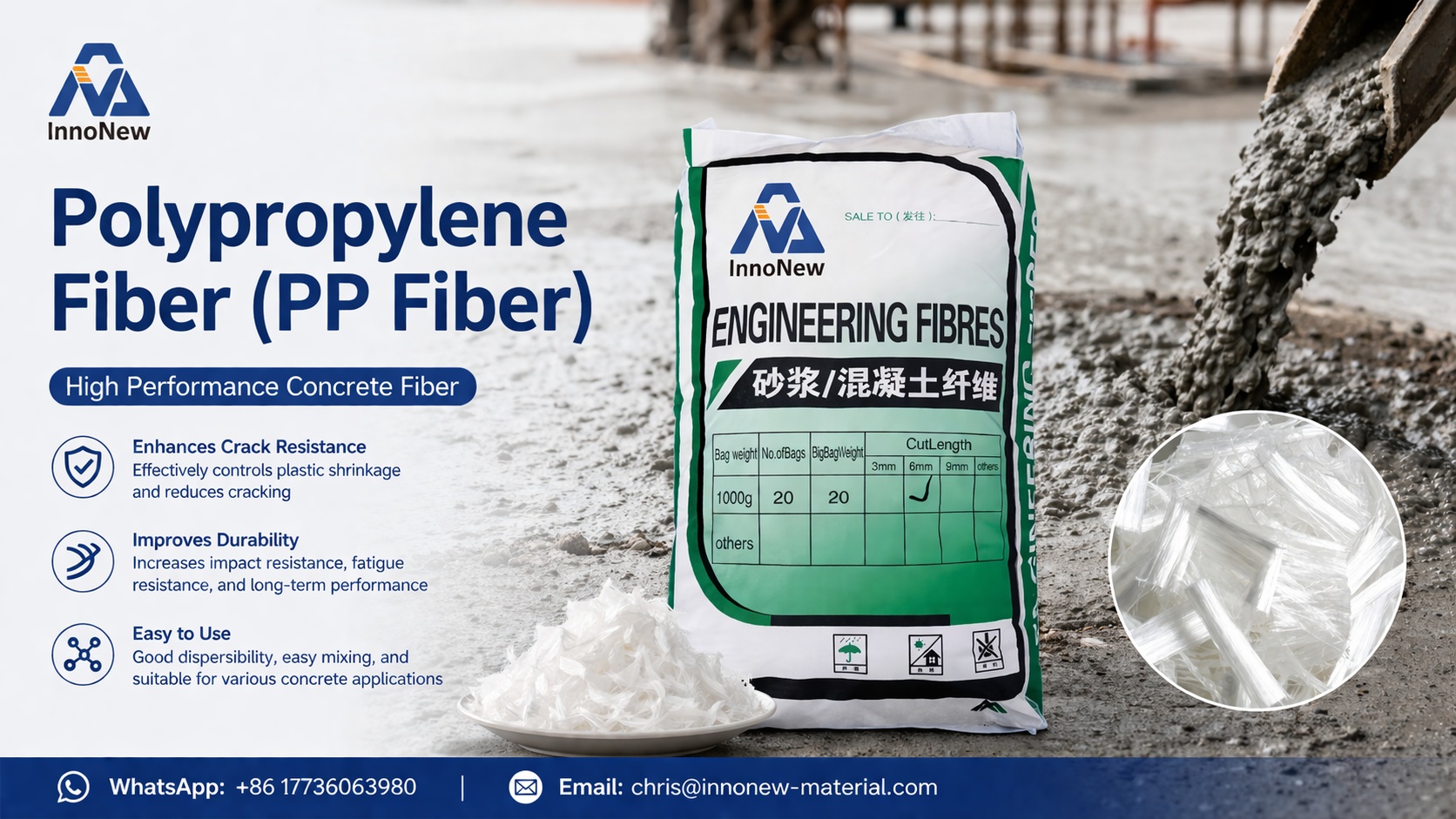
Unlike traditional steel reinforcement, PP fiber works at the microstructural level within the cement matrix. Properly dispersed fibers help control crack initiation, reduce shrinkage stress concentration, improve toughness, enhance cohesion, and increase durability in both conventional and high-performance concrete systems.
Today, PP fiber is widely used in:
- Industrial flooring
- Shotcrete and tunnel lining
- Bridge infrastructure
- Precast concrete
- Pavement systems
- Mortars and renders
- Fire-resistant concrete
- UHPC and HPC systems
- Underground engineering
This technical guide explains how polypropylene fiber works in concrete, including crack control mechanisms, engineering applications, dosage recommendations, compatibility with admixtures, construction considerations, limitations, and long-term performance benefits.
Why Concrete Cracks
Understanding concrete cracking mechanisms is essential before selecting fiber reinforcement systems.
Concrete has relatively high compressive strength but low tensile capacity. During hydration, drying, temperature fluctuation, and loading, tensile stresses develop inside the cement matrix. When these stresses exceed the tensile strength of concrete, cracking occurs.
Plastic Shrinkage Cracking
Plastic shrinkage cracks typically occur within the first few hours after concrete placement.
When surface water evaporates faster than bleed water rises to the surface, tensile stress develops before the concrete gains sufficient strength.
Common causes include:
- High ambient temperature
- Strong wind
- Low humidity
- Large exposed slab surfaces
- Rapid moisture loss
This is one of the primary cracking mechanisms controlled by micro polypropylene fiber.
Drying Shrinkage Cracking
As hardened concrete loses internal moisture over time, volumetric contraction creates tensile stress and long-term shrinkage cracking.
Thermal Cracking
Temperature gradients generated during cement hydration can create internal stress, especially in mass concrete structures.
Settlement Cracking
Settlement cracks form when fresh concrete settles around reinforcement or embedded components.
Microcrack Propagation
Concrete naturally develops microscopic internal cracks during hydration and loading cycles. Over time, these microcracks can propagate and form larger visible cracks that reduce durability and accelerate deterioration.
What Is Polypropylene (PP) Fiber?
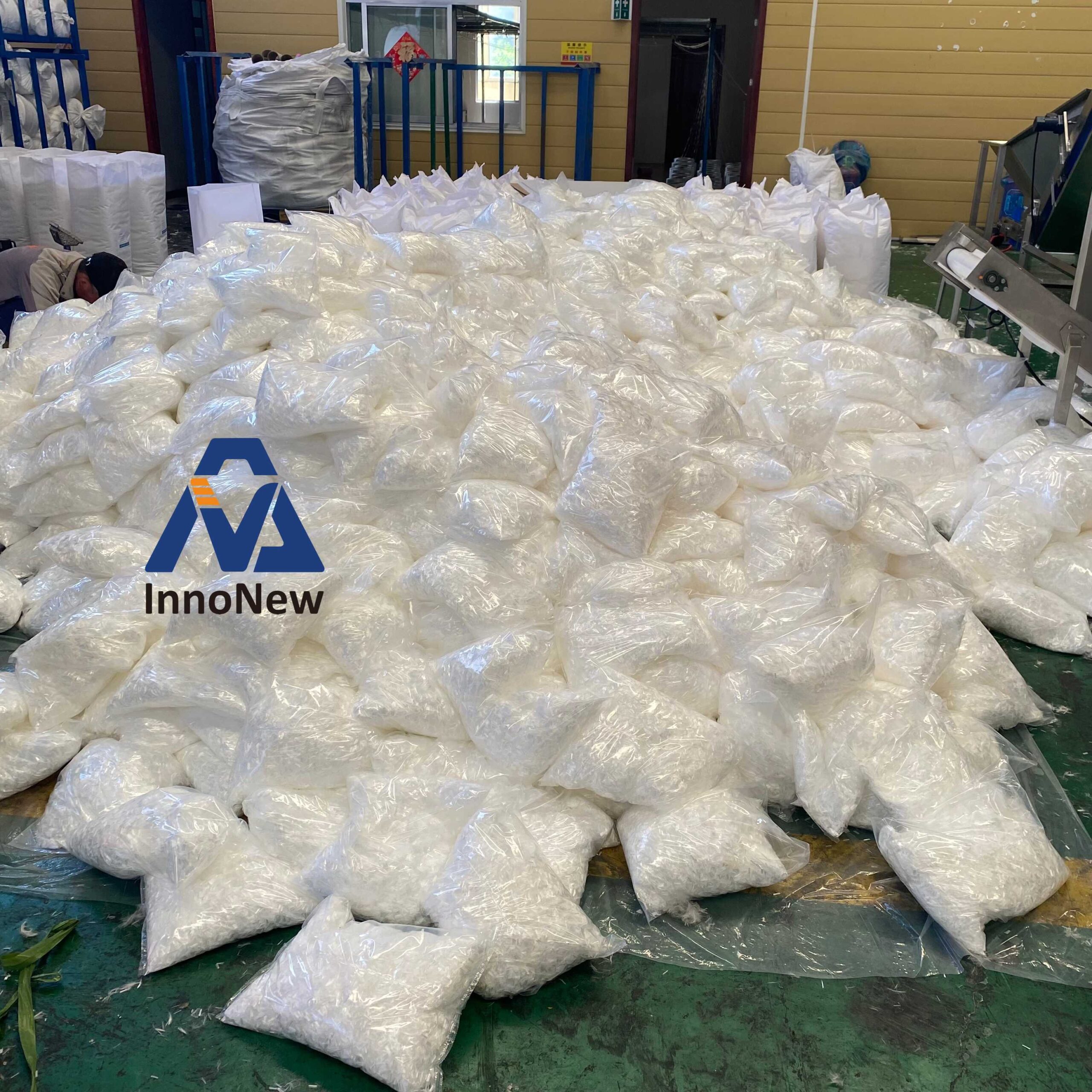
Polypropylene fiber is a synthetic reinforcement material manufactured from virgin polypropylene polymer through extrusion and stretching processes.
The fibers are added directly into concrete, mortar, or cementitious systems to improve crack resistance, toughness, and durability.
PP fibers are:
- Alkali-resistant
- Chemically stable
- Hydrophobic
- Non-corrosive
- Lightweight
- Compatible with most concrete systems
Unlike steel reinforcement, PP fibers do not primarily function as load-bearing reinforcement. Instead, they improve the performance of concrete at the microstructural level by reducing crack formation and controlling crack propagation.
The main engineering purposes of PP fiber include:
- Plastic shrinkage crack control
- Microcrack reduction
- Toughness improvement
- Segregation reduction
- Bleeding control
- Fire spalling resistance
- Durability enhancement
How PP Fiber Works in Concrete
The effectiveness of PP fiber comes from its multidirectional distribution throughout the cement matrix.
After mixing, thousands of fibers form a three-dimensional reinforcement network inside the concrete.
This network helps restrain internal stress development and interrupts crack propagation before cracks become large enough to spread through the matrix.
Crack Bridging Mechanism
As microcracks begin developing, fibers bridge across the crack surfaces and reduce crack widening.
This mechanism helps distribute tensile stress more evenly throughout the concrete.
Shrinkage Stress Reduction
PP fibers restrain volumetric deformation during early hydration stages, significantly reducing plastic shrinkage cracking.
Stress Redistribution
Fibers reduce localized stress concentration by transferring tensile forces across multiple directions.
Improved Cohesion
The presence of fibers improves concrete cohesiveness, helping reduce:
- Segregation
- Bleeding
- Aggregate settlement
Toughness Enhancement
Macro synthetic fibers improve post-crack ductility and energy absorption capacity, especially in industrial flooring and shotcrete systems.
Microstructural Crack Control Mechanism
At the microscopic level, concrete contains capillary pores, weak interfacial transition zones (ITZ), and microvoids.
During hydration and drying, these weak regions become initiation points for crack development.
PP fibers function as internal crack arresters by:
- Interrupting crack growth
- Transferring tensile stress
- Increasing energy absorption
- Improving crack resistance
- Delaying crack propagation
This improves long-term concrete durability by reducing moisture ingress and limiting the penetration of aggressive chemicals.
Types of Polypropylene Fiber for Concrete
Monofilament PP Fiber
Monofilament fibers are smooth, single-strand fibers primarily designed for plastic shrinkage crack control.
Key Characteristics
- Excellent dispersion
- Fine diameter
- Effective early crack control
- Reduced bleeding
Typical Applications
- Residential slabs
- Mortars
- Screeds
- General concrete
Fibrillated PP Fiber
Fibrillated fibers contain interconnected mesh-like structures that improve bonding performance inside the matrix.
Advantages
- Better mechanical anchorage
- Improved impact resistance
- Higher toughness
Typical Applications
- Shotcrete
- Pavement systems
- Industrial slabs
Macro Synthetic Fiber
Macro synthetic fibers are engineered structural fibers designed to provide enhanced toughness and crack resistance.
In some applications, they partially replace steel mesh reinforcement.
Features
- Higher tensile strength
- Enhanced residual strength
- Improved ductility
- Better fatigue resistance
Applications
- Industrial flooring
- Tunnel lining
- Mining shotcrete
- Precast concrete
Engineering Considerations Before Using PP Fiber
Selecting the correct fiber system requires understanding both concrete performance requirements and construction conditions.
Concrete Mix Design Compatibility
Fiber performance depends heavily on the overall concrete mix design, including:
- Water-cement ratio
- Aggregate grading
- Cement content
- Admixture compatibility
Workability Management
Higher fiber dosage may reduce slump and increase mix viscosity.
Proper workability adjustment is essential for:
- Pumping
- Placement
- Surface finishing
In many projects, high-range water reducers are used together with fibers to maintain flowability.
Related Internal Link Suggestion:
Insert internal link to your PCE product page using anchor text:
- PCE superplasticizer
- high-range water reducer
- polycarboxylate ether admixture
Pumpability Considerations
Excessive fiber dosage or poor dispersion may increase pumping resistance.
Proper mixing procedures are critical.
Surface Finishing Requirements
Over-finishing fiber-reinforced concrete may expose fibers on the surface.
Finishing timing and technique should be carefully controlled.
Key Benefits of PP Fiber in Concrete
Reduction of Plastic Shrinkage Cracking
This is the primary reason PP fiber is used in concrete systems.
Studies have shown that micro polypropylene fibers can significantly reduce plastic shrinkage crack formation under severe evaporation conditions.
Improved Durability
Reduced cracking helps improve:
- Water resistance
- Chloride penetration resistance
- Sulfate durability
- Freeze-thaw resistance
Better Impact Resistance
Fiber-reinforced concrete absorbs impact energy more effectively than conventional concrete.
This is particularly important in:
- Warehouses
- Industrial floors
- Mining structures
- Pavements
Reduced Segregation and Bleeding
PP fibers improve concrete cohesiveness and stabilize the fresh mix.
Enhanced Fire Resistance
One of the most important advanced applications of PP fiber is explosive spalling prevention in high-temperature environments.
At elevated temperatures, PP fibers melt and form pressure-relief channels inside the concrete.
This reduces internal vapor pressure buildup during fire exposure.
This mechanism is especially important in:
- Tunnel concrete
- UHPC systems
- Underground structures
- Metro infrastructure
Improved Toughness
Macro synthetic fibers improve post-crack load behavior and residual strength.
PP Fiber vs Steel Fiber
Selecting between polypropylene fiber and steel fiber depends on engineering performance requirements.
| Property | PP Fiber | Steel Fiber |
|---|---|---|
| Corrosion Resistance | Excellent | Susceptible to corrosion |
| Density | Light weight | Heavy |
| Plastic Shrinkage Control | Excellent | Moderate |
| Fire Spalling Protection | Excellent | Limited |
| Pumpability | Better | Moderate |
| Surface Rust Risk | None | Possible |
| Structural Reinforcement | Moderate | High |
| Durability in Aggressive Environments | Excellent | Moderate |
PP fiber is especially advantageous in environments where corrosion resistance and durability are critical.
Recommended Dosage of PP Fiber
Dosage should be optimized according to project requirements and application type.
| Application | Recommended Dosage |
|---|---|
| General concrete | 0.6–1.0 kg/m³ |
| Mortars and renders | 0.6–0.9 kg/m³ |
| Industrial flooring | 1.0–3.0 kg/m³ |
| Shotcrete | 1.5–6.0 kg/m³ |
| Tunnel lining | 2.0–6.0 kg/m³ |
| Fire-resistant concrete | 1.5–2.5 kg/m³ |
Excessive dosage may reduce workability and increase mixing difficulty.
Mixing Procedure for PP Fiber Concrete
Proper mixing is essential for achieving uniform fiber distribution.
Step 1 — Dry Mixing
Mix aggregates and cement before adding fibers.
Step 2 — Gradual Fiber Addition
Fibers should be added gradually to avoid fiber balling.
Step 3 — Add Water and Admixtures
Workability can be maintained using appropriate water reducers.
- concrete water reducer
- PCE admixture
- slump retention superplasticizer
Step 4 — Extend Mixing Time
Mixing time is typically increased by 30–60 seconds to ensure proper fiber dispersion.
Common Failure Cases & Solutions
| Problem | Root Cause | Recommended Solution |
|---|---|---|
| Fiber balling | Improper addition sequence | Add fibers gradually |
| Slump loss | High fiber dosage | Use PCE superplasticizer |
| Uneven fiber distribution | Insufficient mixing | Extend mixing time |
| Surface fiber exposure | Over-finishing | Optimize finishing timing |
| Pump blockage | Excessive fiber content | Adjust dosage and grading |
This section is particularly important for real engineering applications and field troubleshooting.
Compatibility Between PP Fiber and PCE Superplasticizer
Modern concrete systems frequently combine PP fiber with Polycarboxylate Ether (PCE) Superplasticizers.
This combination creates a balanced system where:
| Material | Primary Function |
|---|---|
| PP Fiber | Crack control and toughness |
| PCE Superplasticizer | Workability and water reduction |
Benefits of combining PP fiber with PCE include:
- Improved fiber dispersion
- Better slump retention
- Lower water-cement ratio
- Enhanced pumpability
- Improved durability
This combination is widely used in:
- Self-compacting concrete (SCC)
- UHPC
- Tunnel shotcrete
- Industrial flooring
PP Fiber in Mortar and Render Systems
PP fiber is also widely used in dry mix mortar and plaster systems to reduce cracking and improve dimensional stability.
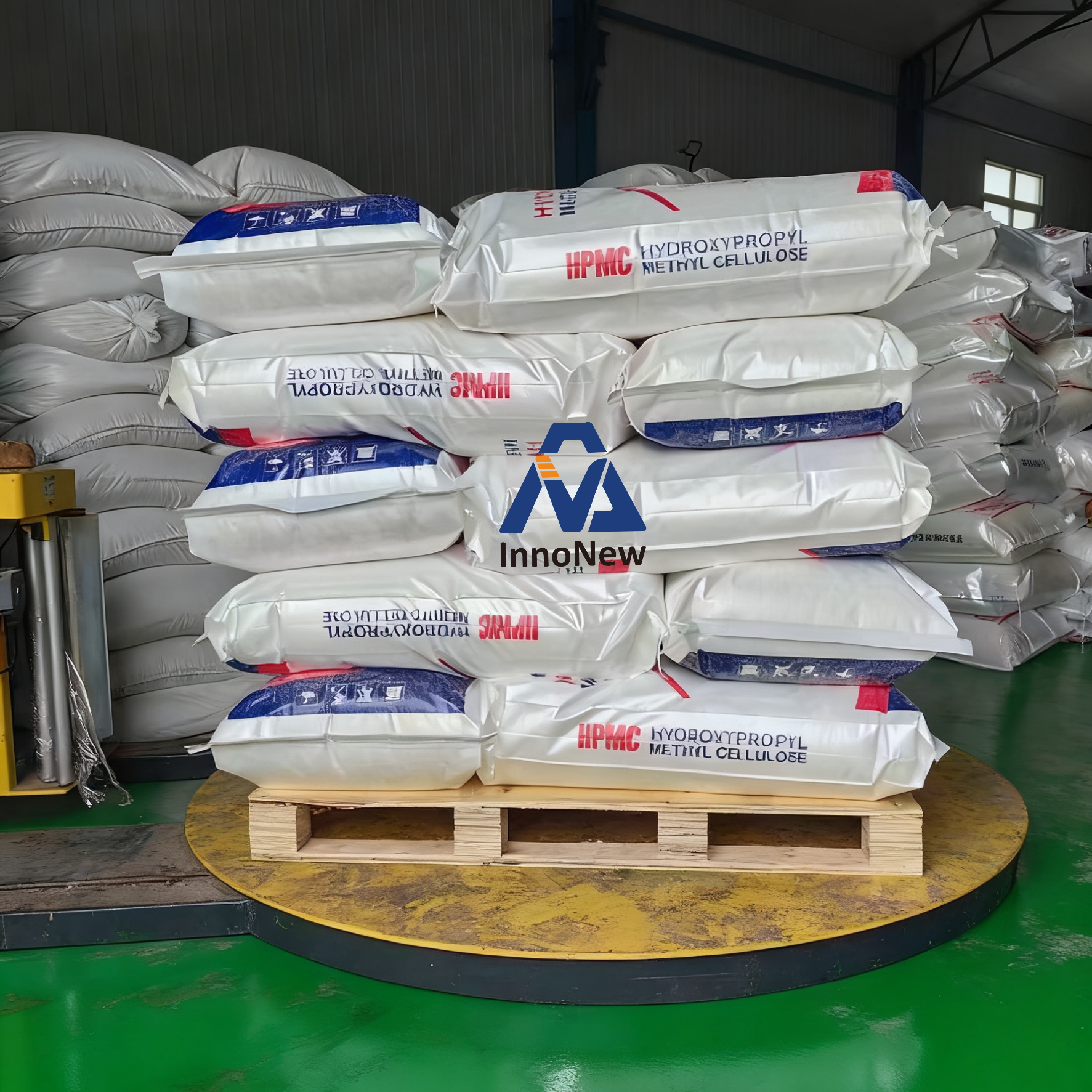
When combined with Cellulose Ether (HPMC) additives, mortar systems achieve improved:
- Water retention
- Workability
- Open time
- Crack resistance
PP Fiber in Sustainable Low-Carbon Concrete Systems
Modern infrastructure increasingly prioritizes sustainability and long-term durability.
Reducing crack formation helps:
- Extend service life
- Reduce maintenance frequency
- Lower repair material consumption
- Improve lifecycle sustainability
In mass concrete and hot-weather concreting, hydration control is also critical.
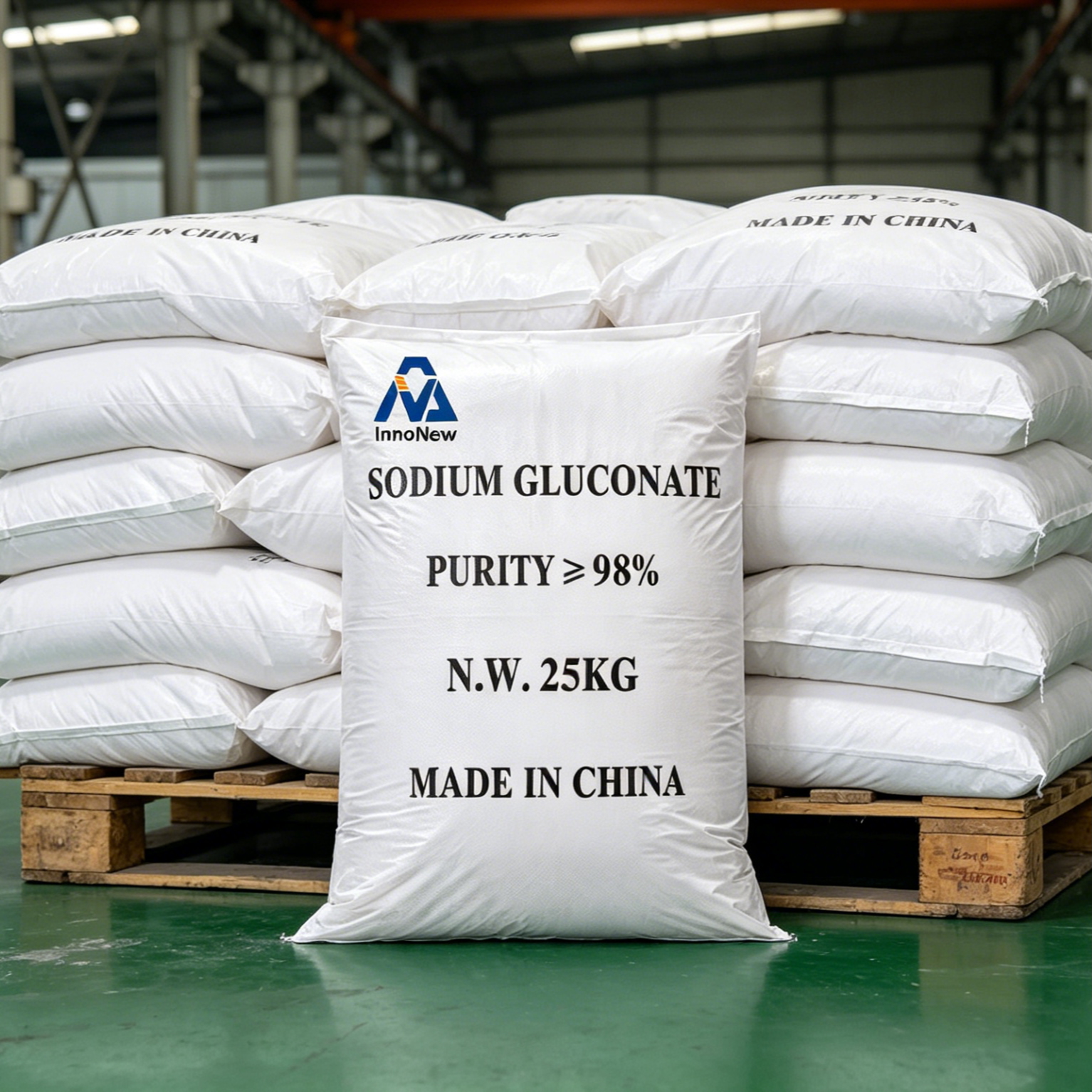
Set retarders are often used together with fiber systems to manage hydration heat and reduce thermal cracking risk.
- concrete set retarder
- Sodium Gluconate admixture
- hydration control additive
Limitations of PP Fiber in Structural Concrete
Professional engineering content should also address material limitations.
PP Fiber Does Not Fully Replace Rebar
PP fiber primarily controls cracking and improves durability.
Traditional reinforcement is still required in most structural applications.
Excessive Dosage May Reduce Workability
High fiber content may increase viscosity and reduce slump.
Improper Mixing May Cause Balling
Correct mixing procedures are essential for uniform distribution.
Structural Design Validation Is Required
Macro synthetic fibers used as structural reinforcement substitutes require engineering design verification and compliance with local standards.
Applications of PP Fiber in Concrete
Industrial Flooring
PP fiber improves crack resistance, impact resistance, and durability in heavy-duty floor systems.
Shotcrete
Fiber-reinforced shotcrete improves:
- Cohesion
- Toughness
- Energy absorption
- Crack resistance
Macro synthetic fibers are increasingly replacing steel mesh in tunnel applications.
Tunnel Concrete
Tunnel fire safety systems often require PP fiber to reduce explosive spalling risk during fire exposure.
Precast Concrete
Benefits include:
- Improved dimensional stability
- Reduced microcracking
- Better edge durability
Pavement Systems
PP fiber helps reduce shrinkage cracking and improves fatigue resistance.
UHPC and HPC
Micro PP fibers are commonly used in ultra-high-performance concrete to improve fire resistance.
Fire Resistance Mechanism of PP Fiber
One of the most technically important functions of PP fiber is fire-spalling mitigation.
Dense concrete structures may experience explosive spalling during rapid heating because vapor pressure cannot escape.
PP fibers melt at approximately 160–170°C, creating microchannels that relieve internal pressure.
This mechanism significantly improves fire performance in:
- Tunnel linings
- Underground infrastructure
- Metro systems
- High-rise structures
International Standards for PP Fiber
Several international standards govern the use of synthetic fibers in concrete.
ASTM C1116
Standard specification for fiber-reinforced concrete.
EN 14889
European standard for fibers used in concrete and mortar.
ASTM D7508
Standard test methods for synthetic fibers.
Compliance with recognized international standards is essential for engineering qualification and project approval.
Future Trends in PP Fiber Technology
Sustainable Synthetic Fibers
The industry is moving toward lower-carbon and environmentally optimized fiber production.
Fiber-Reinforced UHPC
Advanced infrastructure increasingly incorporates fiber systems into ultra-durable concrete.
3D Printed Concrete
PP fiber improves shape stability and crack resistance in additive manufacturing systems.
Smart Infrastructure Materials
Future concrete systems may integrate advanced reinforcement technologies with digital monitoring systems.
FAQ
Does PP fiber replace steel reinforcement?
No. PP fiber primarily improves crack resistance and durability. Structural reinforcement is still required in most applications.
Can PP fiber completely prevent concrete cracking?
No concrete material can eliminate all cracking. PP fiber significantly reduces crack formation and crack propagation.
Does PP fiber affect compressive strength?
Micro PP fiber generally has minimal effect on compressive strength while improving toughness and crack resistance.
What is the recommended dosage for PP fiber?
Typical dosage ranges from 0.6–1.0 kg/m³ for general crack control applications.
Is PP fiber suitable for shotcrete?
Yes. Both micro and macro synthetic fibers are widely used in modern shotcrete systems.
Why is PP fiber used in tunnel concrete?
Its melting behavior under high temperature helps reduce explosive spalling during fire exposure.
Is PP fiber resistant to alkali attack?
Yes. Polypropylene fibers are chemically stable and highly alkali-resistant in cement environments.
Conclusion
Polypropylene fiber has become an essential component in modern concrete technology due to its ability to improve crack resistance, durability, toughness, cohesion, and fire performance.
Rather than functioning as conventional structural reinforcement, PP fiber enhances concrete performance at the microstructural level by controlling crack development and improving matrix integrity.
As the construction industry increasingly focuses on durable, sustainable, and low-maintenance infrastructure systems, PP fiber continues to play an important role in:
- Industrial flooring
- Tunnel engineering
- Shotcrete systems
- UHPC applications
- Sustainable concrete technology
- Advanced infrastructure construction
For engineers, contractors, concrete producers, and precast manufacturers, understanding proper fiber selection, dosage optimization, mixing procedures, and admixture compatibility is essential for achieving long-term concrete performance and durability.