+86-17736063980 ✉️ chris@innonew-material.com
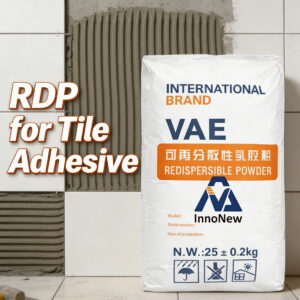
RDP for tile adhesive improving bonding strength and flexibility in dry mix mortar

Why Combining HPMC and RDP is the Key to High-Performance Mortars in Construction

Why Combining HPMC and RDP is the Key to High-Performance Mortars in Construction In the fast-evolving construction industry, achieving high-performance mortars that offer durability, flexibility, and strong adhesion is crucial. Two ingredients that play a pivotal role in achieving these goals are Hydroxypropyl Methyl Cellulose (HPMC) and Redispersible Polymer Powder (RDP). These additives are integral […]

Why Combining HPMC and RDP is the Key to High-Performance Mortars in Construction Read More »
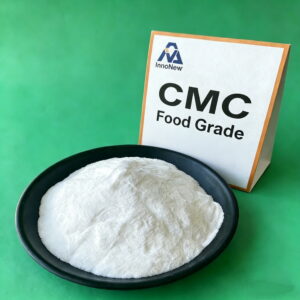
Food Grade CMC Powder, Sodium Carboxymethyl Cellulose Food Additive, High Viscosity Cellulose Gum E466 for Food Industry

Is CMC Safe for Food? Complete Guide to Carboxymethyl Cellulose Safety

Is CMC Safe for Food? Introduction Carboxymethyl Cellulose (CMC), also known as sodium carboxymethyl cellulose, is widely used in the food industry as a thickener, stabilizer, and emulsifier. One of the most common questions among manufacturers and consumers is whether CMC is safe for food use. The short answer is: Yes, food grade CMC is

Is CMC Safe for Food? Complete Guide to Carboxymethyl Cellulose Safety Read More »

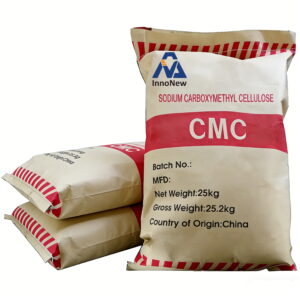
High Purity Sodium Carboxymethyl Cellulose (CMC) Thickener

CMC vs Xanthan Gum: Which Thickener is Better for Your Application?

Carboxymethyl Cellulose (CMC) vs Xanthan Gum Carboxymethyl Cellulose (CMC) and Xanthan Gum are two widely used water-soluble polymers that function as thickeners, stabilizers, and rheology modifiers. While both improve viscosity and product stability, they differ significantly in performance, cost, compatibility, and application suitability. Choosing between CMC and Xanthan Gum depends on your specific formulation requirements,

CMC vs Xanthan Gum: Which Thickener is Better for Your Application? Read More »

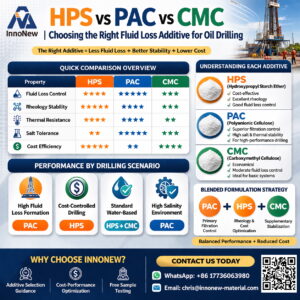
Compare HPS, PAC & CMC polysaccharide polymers for oil drilling fluids. Learn their differences in filtration control, salt tolerance, viscosity, cost & best applications for drilling mud systems.

How to Reduce Fluid Loss in Drilling | Complete Guide to Filtration Control (2026)

How to Reduce Fluid Loss in Drilling Fluids Why Fluid Loss Is a Critical Problem  Fluid loss is one of the most common and costly issues in drilling operations. When drilling fluid invades the formation, it leads to: Formation damage Wellbore instability Reduced drilling efficiency Increased operational cost 👉 Effective filtration control is essential to

How to Reduce Fluid Loss in Drilling | Complete Guide to Filtration Control (2026) Read More »

Compare HPS, PAC & CMC polysaccharide polymers for oil drilling fluids. Learn their differences in filtration control, salt tolerance, viscosity, cost & best applications for drilling mud systems.

Best Drilling Fluid Additives: Polysaccharide Polymer (PAC/CMC/HPS) Complete Buying Guide

Best Drilling Fluid Additives: Polysaccharide Polymer Complete Procurement Guide Introduction to Drilling Fluid Additives In the oil and gas industry, drilling fluid additives play a critical role in ensuring safe and efficient drilling operations. Choosing the best drilling fluid additives directly impacts wellbore stability, fluid loss control, and overall drilling performance. Among all available solutions,

Best Drilling Fluid Additives: Polysaccharide Polymer (PAC/CMC/HPS) Complete Buying Guide Read More »

Compare HPS, PAC & CMC polysaccharide polymers for oil drilling fluids. Learn their differences in filtration control, salt tolerance, viscosity, cost & best applications for drilling mud systems.

HPS vs PAC vs CMC in Oil Drilling Fluids | Which Fluid Loss Additive Is Best? (2026 Guide)

HPS, PAC & CMC Comparison: Best Polysaccharide Polymers for Drilling Mud Fluid Loss & Rheology Why Fluid Loss Is a Critical Problem  Fluid loss is one of the most common and costly issues in drilling operations. When drilling fluid invades the formation, it leads to: Formation damage Wellbore instability Reduced drilling efficiency Increased operational cost

HPS vs PAC vs CMC in Oil Drilling Fluids | Which Fluid Loss Additive Is Best? (2026 Guide) Read More »

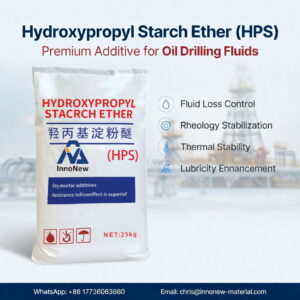
Hydroxypropyl Starch Ether (HPS) for Oil Drilling Fluid

Hydroxypropyl Starch Ether (HPS) for Oil Drilling | Advanced Fluid Loss Control & Rheology Stabilizer

Hydroxypropyl Starch Ether (HPS) in Oil Drilling Fluids Engineered Polymer for High-Performance Drilling Operations Why HPS Matters in Modern Drilling Systems  In oil and gas drilling, fluid performance directly impacts: Wellbore stability Drilling efficiency Operational cost Key challenges include: Excessive fluid loss into formations Poor rheology control under high shear Thermal degradation of additives 👉

Hydroxypropyl Starch Ether (HPS) for Oil Drilling | Advanced Fluid Loss Control & Rheology Stabilizer Read More »

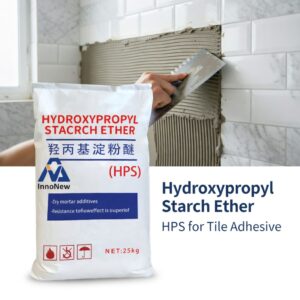
Hydroxypropyl Starch Ether HPS for tile adhesive

Best Additives for Dry Mix Mortar: Complete Formulation Guide (2026)

Dry Mix Mortar Additives – Technical Performance System Guide Dry mix mortar is a pre-engineered powder system composed of cementitious binders, graded aggregates, and functional chemical additives. Compared with site-mixed mortar, its core advantage lies in formulation precision, performance stability, and industrial reproducibility. In modern construction chemistry, dry mix mortar performance is no longer determined

Best Additives for Dry Mix Mortar: Complete Formulation Guide (2026) Read More »

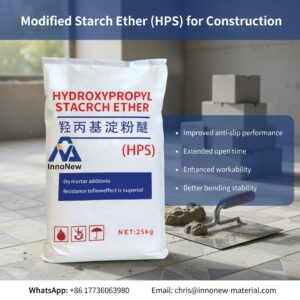
White powder of Hydroxypropyl Starch Ether (HPS) for construction, a modified starch derivative used in dry mortar and tile adhesives

Why Dry Mix Mortar Is Sagging? Complete Solution with HPS (Hydroxypropyl Starch Ether)

Sagging is one of the most common and costly problems in dry-mix mortar applications, especially in: Tile adhesive Wall putty Plaster systems If not properly controlled, it leads to: Poor adhesion Uneven thickness Rework and material waste Main Causes of Mortar Sagging 1. Insufficient Yield Stress Mortar lacks internal structure → cannot resist gravity 2.

Why Dry Mix Mortar Is Sagging? Complete Solution with HPS (Hydroxypropyl Starch Ether) Read More »

high quality artificial marble release film, heat-resistant tear-proof marble casting release film

Best Release Film for Artificial Marble Manufacturing in 2026 (Complete Buyer’s Guide)

Introduction: The Modern Challenge of Artificial Marble Manufacturing Artificial marble and cultured stone production has grown rapidly worldwide. While these materials offer superior aesthetics and durability, manufacturers face persistent challenges during mold demolding: Surface adhesion to molds Residual resin on molds Labor-intensive cleaning Risk of surface defects Traditional methods such as wax, silicone oil, or

Best Release Film for Artificial Marble Manufacturing in 2026 (Complete Buyer’s Guide) Read More »

Scroll to Top