+86-17736063980 ✉️ chris@innonew-material.com
Cellulose Ether HPMC Powder Manufacturer

Cellulose Ether HS Code 39123900 Explained: HPMC, HEC, MHEC Customs Classification & Global Trade Guide

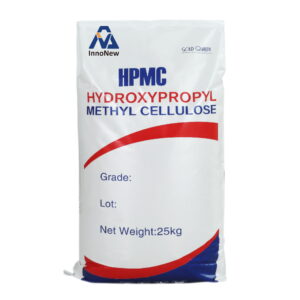
1. Introduction: What is Cellulose Ether HS Code 39123900? Cellulose ethers are a major class of water-soluble polymer additives widely used in construction chemicals, coatings, pharmaceuticals, and industrial formulations. In international trade, these materials are typically classified under: HS Code 39123900 This HS code is globally recognized for cellulose ether derivatives, including key construction-grade materials […]

Cellulose Ether HS Code 39123900 Explained: HPMC, HEC, MHEC Customs Classification & Global Trade Guide Read More »

Polycarboxylate Superplasticizer HS Code 382440 export and import classification guide for global trade, industrial chemical packaging bags and IBC tank containers in shipping port background, InnoNew Material Technology

Polycarboxylate Superplasticizer HS Code: Complete Export & Import Classification Guide

1. Introduction  In global construction chemical trade, correct HS Code classification is essential for customs clearance, tax calculation, and smooth international logistics. Polycarboxylate Superplasticizer (PCE) is a high-performance concrete admixture widely used in: Ready-mix concrete production Precast concrete factories Pumped concrete systems Ultra-high-performance concrete (UHPC) As global infrastructure demand increases, accurate HS classification becomes critical

Polycarboxylate Superplasticizer HS Code: Complete Export & Import Classification Guide Read More »

Hydroxypropyl Methyl Cellulose HPMC powder for tile adhesive and dry mix mortar applications

Dry Mix Mortar Formulation Guide: Raw Materials, Additives, and Performance Optimization Principles

Dry Mix Mortar Formulation Guide: Raw Materials, Additives, and Performance Optimization Principles 1. Introduction: From “Formula” to “System Engineering” Dry mix mortar is no longer a simple ratio-based mixture of cement, sand, and additives. In modern construction chemistry, it is better understood as a multi-phase engineered system, where performance is determined by the interaction between

Dry Mix Mortar Formulation Guide: Raw Materials, Additives, and Performance Optimization Principles Read More »

Concrete mold release agent, water-based form release oil for concrete construction, anti-adhesive demolding agent for precast concrete

How Precast Concrete Plants Improve Efficiency Using Water-Based Mold Release Agents

How Precast Concrete Plants Improve Efficiency with Water-Based Mold Release Agents | Technical Guide 1. Introduction: Efficiency in Precast Plants Is Controlled by Interface Chemistry In modern precast concrete production, efficiency is not only determined by: Cement quality Mixing technology Vibration and curing systems but critically by a less visible factor: The concrete–formwork interface system

How Precast Concrete Plants Improve Efficiency Using Water-Based Mold Release Agents Read More »

RDP adhesive for ETICS and EIFS exterior insulation finishing system construction

EIFS Adhesive Mortar Technology: How HPMC and RDP Improve Bond Strength and Workability

EIFS Adhesive Mortar Technology: How HPMC and RDP Improve Bond Strength and Workability 1. EIFS Adhesive Mortar: The Hidden Structural Interface EIFS adhesive mortar is not simply a bonding material—it is a load-transfer and stress-buffering interface layer between: Structural wall substrate Thermal insulation board (EPS/XPS) Reinforced base coat system Engineering Definition EIFS adhesive mortar functions

EIFS Adhesive Mortar Technology: How HPMC and RDP Improve Bond Strength and Workability Read More »

RDP adhesive for ETICS and EIFS exterior insulation finishing system construction

EIFS Solutions: System Engineering, Materials & Performance Optimization

EIFS Solutions: System Engineering, Materials & Performance  1. EIFS as a Multi-Layer Engineering System  EIFS (Exterior Insulation and Finish System) is not a single product, but a functional multilayer engineering system designed for building envelope performance. Its primary objectives include: Thermal insulation and energy efficiency Weather protection of exterior walls Crack resistance and structural durability

EIFS Solutions: System Engineering, Materials & Performance Optimization Read More »

Concrete mold release agent, water-based form release oil for concrete construction, anti-adhesive demolding agent for precast concrete

Water-Based vs Oil-Based Concrete Mold Release Agent: Which is Better?

Water-Based vs Oil-Based Concrete Mold Release Agent: Which is Better for Precast Production? Introduction: Why This Comparison Matters in Modern Precast Engineering In modern precast concrete manufacturing, the selection of a concrete mold release agent directly affects: Surface quality consistency Demolding efficiency Production cost per unit Mold lifespan Labor intensity in cleaning operations The two

Water-Based vs Oil-Based Concrete Mold Release Agent: Which is Better? Read More »

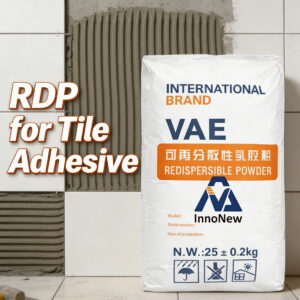
RDP for tile adhesive improving bonding strength and flexibility in dry mix mortar

C1 Tile Adhesive Formula Explained: Standard Cement-Based Tile Adhesive Composition, Materials & Performance Optimization

C1 Tile Adhesive Formula (EN Standard System): Composition, Performance Mechanism & Optimization Guide 1. Introduction: What Makes C1 Tile Adhesive a “System” Material? C1 tile adhesive is not simply a cement mixture—it is a controlled hydration and polymer-modified bonding system defined under EN 12004. Unlike traditional mortar, its performance depends on: Cement hydration kinetics Polymer

C1 Tile Adhesive Formula Explained: Standard Cement-Based Tile Adhesive Composition, Materials & Performance Optimization Read More »

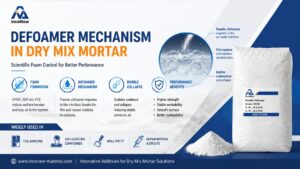
Defoamer mechanism in dry mix mortar showing foam formation, bubble collapse process, and powder defoamer application in tile adhesive, self-leveling, putty, and repair mortar systems.

Defoamer Mechanism in Dry Mix Mortar: A Technical Analysis of Foam Control in Cement-Based Systems

Advanced Technical Review: Defoamer Mechanism in Dry Mix Mortar Systems (From Foam Formation Physics to Application-Level Performance Control) In modern dry mix mortar engineering, foam is no longer treated as a simple “air defect.” It is a multi-phase, polymer-stabilized colloidal system governed by surface chemistry, rheology, and mixing energy. When formulations include high-performance additives such

Defoamer Mechanism in Dry Mix Mortar: A Technical Analysis of Foam Control in Cement-Based Systems Read More »

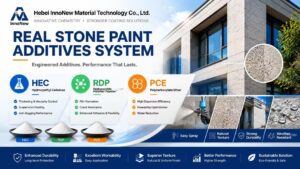
Real stone paint additives HEC, RDP, PCE for exterior stone texture coating raw materials

Real Stone Paint Additives System: Technical Guide to HPMC, HEC, MHEC, RDP & PCE in Exterior Coating Formulations

Real Stone Paint Additives System: Technical Guide to HPMC, HEC, MHEC, RDP & PCE in Exterior Coating Formulations Introduction: Engineering Nature of Real Stone Paint Systems Real stone paint (also known as exterior textured stone coating) is a high-solids, multi-phase dispersion system composed of: Mineral aggregates (quartz sand, colored sand) Inorganic binders (cement or silicate

Real Stone Paint Additives System: Technical Guide to HPMC, HEC, MHEC, RDP & PCE in Exterior Coating Formulations Read More »

Scroll to Top